Loading

Automated Meat and Protein Processing

Automation, Control and Information Solutions for Meat and Alternative Protein
Book a consultation
Piece of salmon on a cutting board with herbs to the bottom left and a cup of berries on the top.
Food & Beverage
    • Agricultural Processing
    • Agricultural Processing
    • Dairy
    • Dairy
    • Bakery
    • Bakery
    • Beverage
    • Beverage
    • Brewery
    • Brewery
    • Prepared Foods
    • Prepared Foods
    • Protein Processing
    • Protein Processing
    • Energy Management
    • Energy Management
    • Food Packaging
    • Food Packaging
    • Food Safety
    • Food Safety
    • Operational Excellence
    • Operational Excellence
    • Modernization
    • Modernization
    • Perfect Fill
    • Perfect Fill
    • Production Visibility
    • Production Visibility
  • Sustainability
Connect with Us

Transitioning from Manual to Digital-first Operations

Rising costs, relentless demand and labor shortages are adding pressure to meat, seafood, poultry, and plant-based protein processors. We’re helping customers embrace the demands of tomorrow with world-class automated meat processing technology and digital transformation strategies to provide:

  • Workforce productivity and safety
  • Consistent, high-quality product
  • Yield savings and scrap reduction ​
  • Production and quality monitoring with data​
  • Real time operations visibility
  • Protection against security threats

Unsure where to start? Connect with a Rockwell Automation consultant today.
Digital Readiness Among Protein Processors
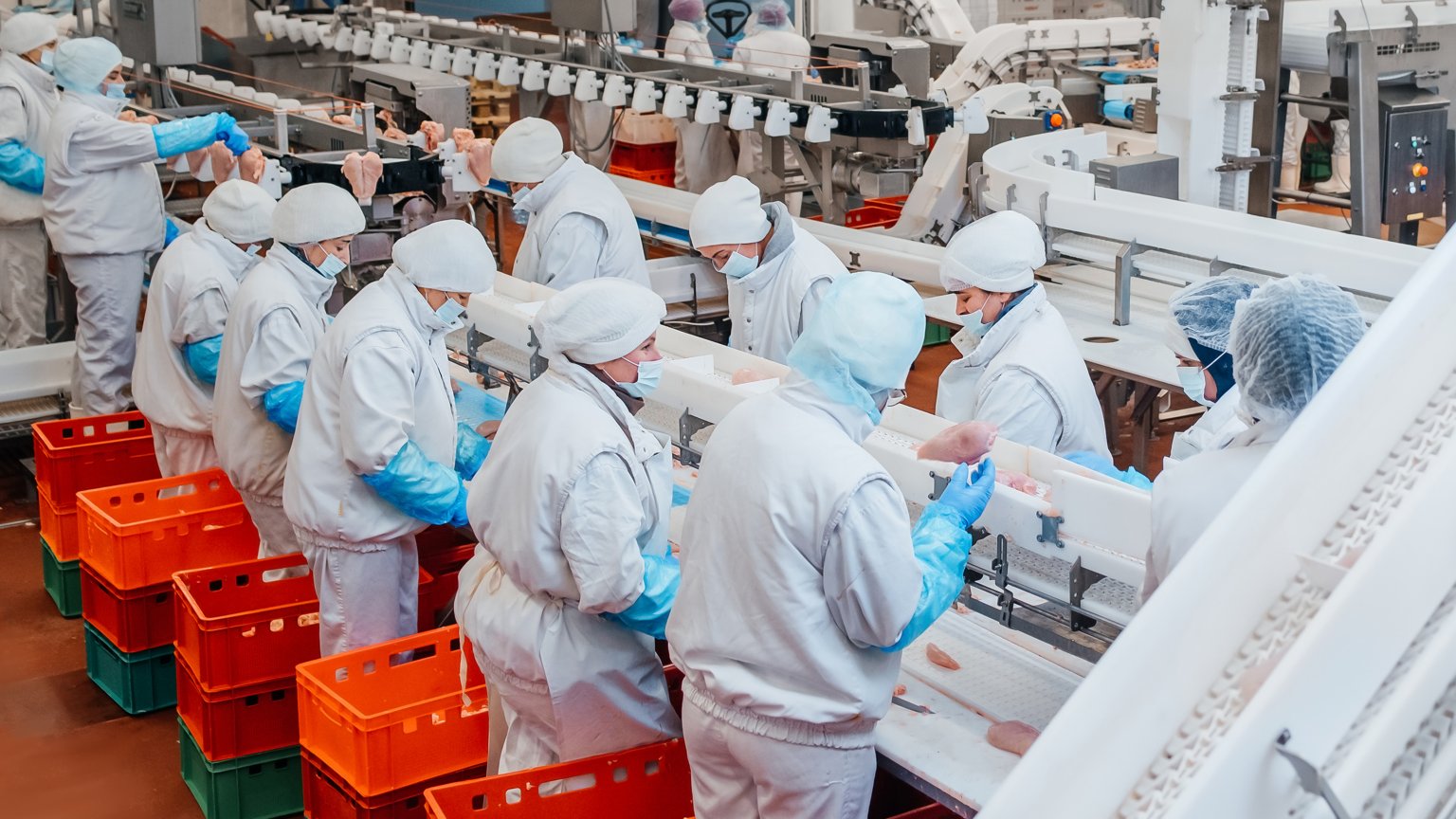
Several people wearing PPE (personal protective equipment) working in the assembly line at a poultry processing plant
eBook
Digital Readiness Among Protein Processors

Exploring whether digital transformation for the meat, seafood and poultry industry is a distant goal or evolving faster than one might think.

Download Now
Reshaping Protein Production
Several people wearing PPE (personal protective equipment) working in the assembly line at a poultry processing plant
eBook
Reshaping Protein Production

Discover how you can leverage new technologies to achieve flexible manufacturing and distribution, enabling you to meet the needs of a changing marketplace.

Download Now

4000

Product configurations at 100 cases/min with smart, agile production

80%

Or more OEE with digitalization and AR-trained workers

40%

Energy reduction through improved machine design and accuracy

Explore industry solutions in protein food processing for:

Workforce Effectiveness
Production Optimization
Risk Management

Improving Workforce Effectiveness

Accelerating new hire time-to-value and worker retention

Price pressure and competition for skilled workers is fierce in the protein industry. To be successful, meat, seafood and poultry processing facilities must find better ways to capture more value from the equipment on their plant floors – and attract, train and retain workers.

One approach is to attack productivity from several angles, like focusing on fewer, shorter downtime events, increased first pass quality, and faster Mean Time to Repair (MTTR). We partner with global meat processors to empower their limited workforce with:

  • Simplified, integrated robotics
  • Precision, advanced motion
  • Productivity-improving machine safety

Manufacturers are also using creative solutions to help train and retain staff, like Augmented Reality (AR) and Virtual Reality (VR). Using this type of learning experience can help increase knowledge retention, reduce training time and upskill the workforce.

Proving the Value of AR in Protein Packaging
Worker with AR glasses checking machine operation
Case Study
Proving the Value of AR in Protein Packaging

Maple Leaf Foods launches unique pilot program to demonstrate how augmented reality (AR) can improve operations across the industry sector.

Read Now
Can Augmented Reality Attract Gen Z to Poultry Processing?
Chicken looking directly ahead on a poultry free range farm. Other chickens are grazing in the background.
Magazine
Can Augmented Reality Attract Gen Z to Poultry Processing?

Embracing the needs of younger workers could help fix the worker shortage issue.

Read Now

Leveraging Technology to Optimize Yield and Throughput

Deploying next-generation software to overcome challenges and satisfy requirements

Let’s face it, the manufacturing environment is changing and becoming more complex every day. Consumers want increased visibility about your products, regulators want increased information about your meat processing methods, and stakeholders are demanding more sustainable operations. The common underlying theme…information.

Cloud-based technologies such as Plex® manufacturing execution system (MES) or Fiix® computerized maintenance management system (CMMS™) provide your team with the information they need at their fingertips, with the flexibility to quickly scale with your business needs.

The result is increased visibility to machine performance, inventory levels, maintenance requests, quality control, energy usage and more. Use this information to your advantage to build a more robust, sustainable operation.

How Tyson Foods Improved Sausage Yield
Breakfast that includes a plate with scrambled eggs, sausage and toast served with orange juice
Magazine
How Tyson Foods Improved Sausage Yield

The company slashed waste by implementing a manufacturing intelligence software strategy that provided insight into problematic weight variations.

Read Now
PCI Saves Big on Reactive Maintenance
A heap of yellow egg powder on round, wooden cutting board with a half-cracked egg to the right
Case Study
PCI Saves Big on Reactive Maintenance

Leveraging Fiix, by Rockwell Automation, Perth County Ingredients manager cuts reactive maintenance by 54% and saved over $40,000 a year.

Read Now
Line Visualization for Protein Processors
Operation line with graphics showing the monitoring of performance at various points in the line
Whitepaper
Line Visualization for Protein Processors

In partnership with Food Manufacturing, discover the technologies and strategies needed to enhance asset and line visibility in this paper.

Read Now
Smart Solutions: Unlocking Seafood Potential
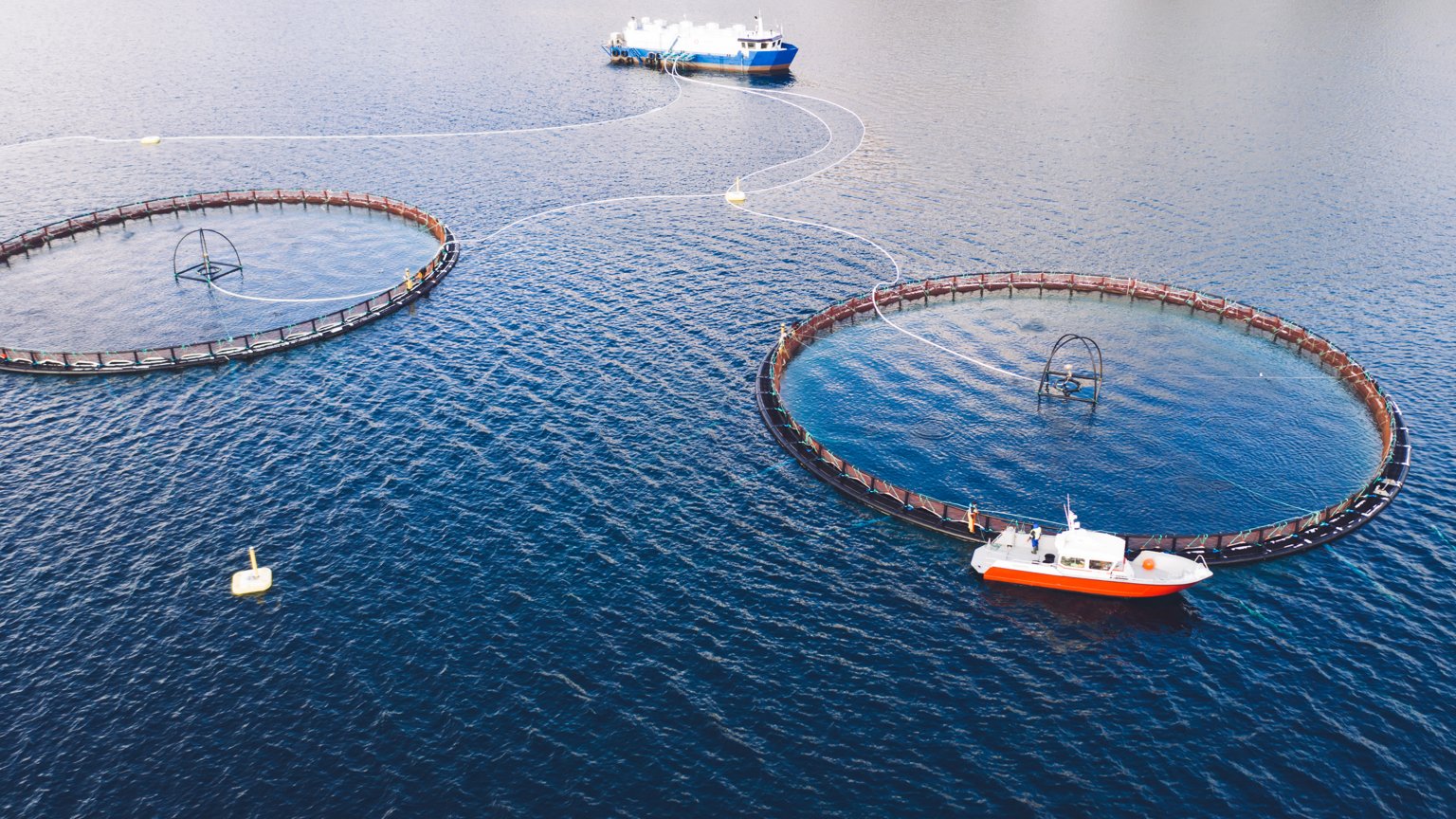
Salmon fish farming in Norway sea. Food industry, traditional craft production, environmental conservation. Aerial view of round mesh for growing and catching fish in arctic water surrounded by fjords
Blog
Smart Solutions: Unlocking Seafood Potential

With the growing seafood market, it's time for fish processors to get more value and far greater yield from their raw materials and processes.

Read Now

Securing Your Food and Beverage Operations
Two men looking at computer screens in a remote support center control room
eBook
Securing Your Food and Beverage Operations

Cyberattacks are rising in cost and frequency. Discover the best practices and solutions used across manufacturers to protect their operations. 

Download Now
Five Steps for Improving Your Food Safety Program
Cooked shrimp on the belt in the production line, shrimp industry
Brochure
Five Steps for Improving Your Food Safety Program

How prepared are you to prevent or identify food safety and quality issues? Take an information enabled approach can help you address food safety across your operations.

Download Now

Boost food safety, quality and security

Meeting the needs of consumers has introduced greater complexity across your production and supply chain. This complexity requires you to manage food safety, quality and security across a broader product spectrum.

A comprehensive strategy to help protect product safety and quality is critical to mitigating risk.

Learn more about our solutions:

Industrial Safety Solutions | Rockwell Automation

Food Safety and Quality Control Systems | Rockwell Automation

Food & Beverage Cybersecurity Solutions | Rockwell Automation


Drive next-level machine productivity

From enhanced robotic capabilities without additional complexity to digitally enabled machines revolutionizing data insights, explore how machine builders are leveraging technologies to create smart and flexible protein food processing machinery to deliver value through added precision, minimized bottlenecks and efficiency gains.
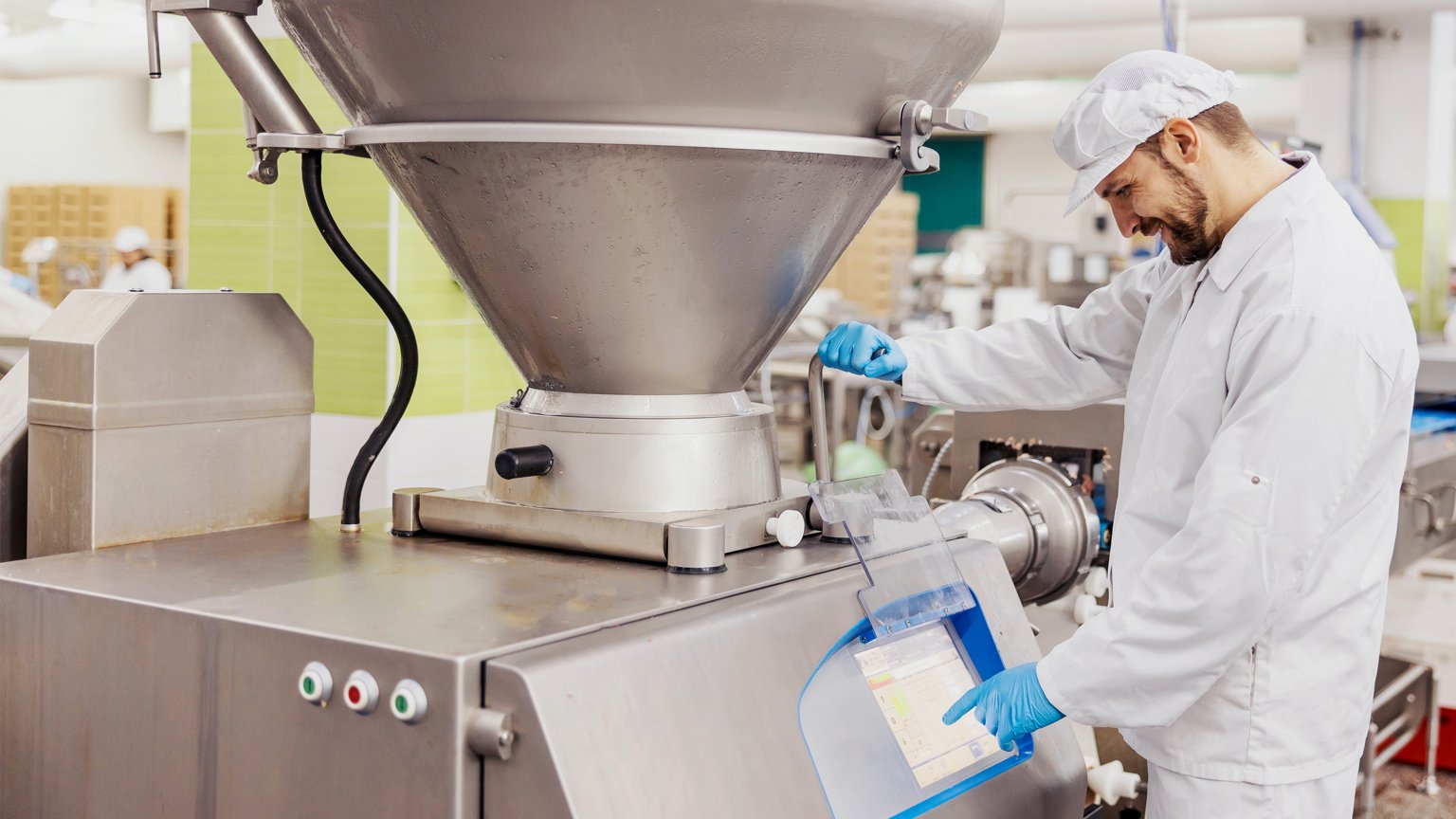
Protein Productivity
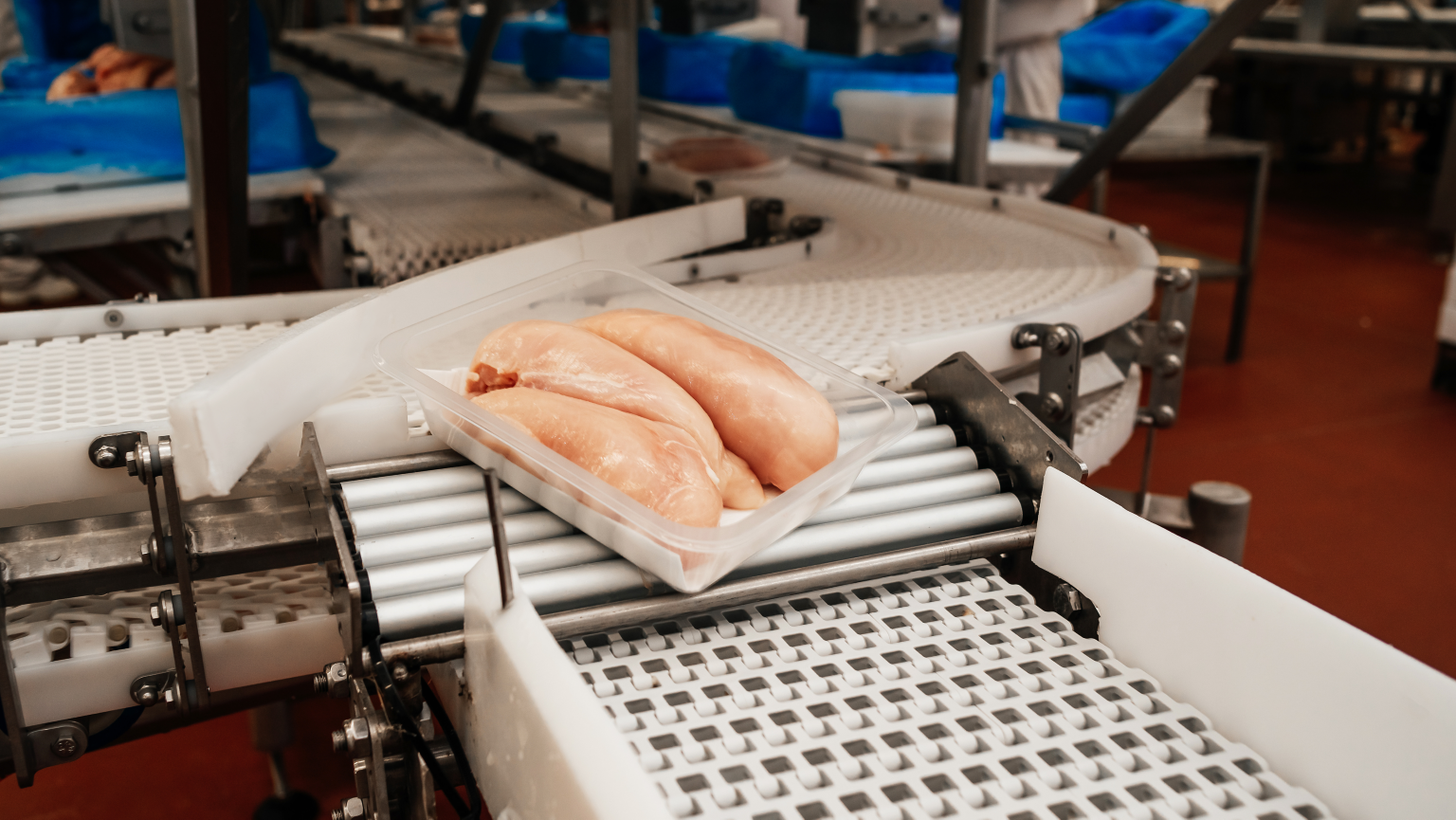
Packing of chicken in boxes on a conveyor belt
eBook
Protein Productivity

Discover how digitalization yields massive productivity boost for the protein industry operations at every stage of the value chain.

Read Now
Digital, smart and flexible machines for the meat and seafood market sector
Man is managing grinding machine
On-demand Webinar
Digital, smart and flexible machines for the meat and seafood market sector

Watch to see how you can start your journey to build digitally enabled, smart and flexible machines.

Watch Now
Marlen Captures 40% Energy Savings with New Design
Marlen Servo-driven OptiServ 340 vacuum stuffing and pumping system
Case Study
Marlen Captures 40% Energy Savings with New Design

See how Marlen improved portion precision, energy efficiency and the sanitary design of their food vacuum stuffing and pumping system.

Read Now

Moving to Alternative Protein Production

Producing sustainable protein, while driving down costs.

Changing consumer preference for healthy and eco-friendly options are driving unprecedented growth for alternative meat production. However, operators face unique challenges to deliver high-quality proteins that look, smell, and taste as expected.

Leverage the power of IT and OT integration to achieve consistent batch control, integration with suppliers, and operational control that drives down cost and increase consumer adoption.

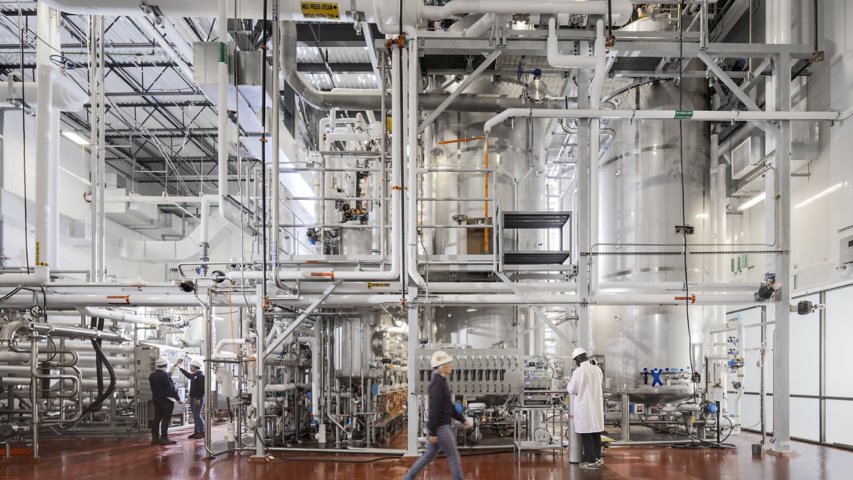
Alternative Protein Manufacturing and Automation
Vegan hamburger, Sandwich made without meat, with glass of green juice in the background. Sandwich with pepper, mushroom, tomato, lettuce and protein salad
Blog
Alternative Protein Manufacturing and Automation

Automation is crucial in the alternative protein industry to keep up with growing demand and help drive success.

Read Now
Meati Foods Grows Sustainability with Innovation
Case Study
Case Study
Meati Foods Grows Sustainability with Innovation
Mushroom-root protein producer collaborates with Cybertrol Engineering to put efficient commercial production on the fast track.
Read Now

What is Automated Meat Processing?

Automated meat processing refers to the use of advanced technology, such as robotics and artificial intelligence, to handle various stages of meat production with minimal human intervention. This technology streamlines tasks such as cutting, deboning, trimming, grinding, and packaging, helping to improve efficiency, hygiene, and consistency in meat products.  

Meat processing automation reduces labor costs and enhances worker safety by minimizing direct contact with sharp tools and repetitive tasks. It often incorporates computer vision and AI to optimize yield and maintain quality standards. 

Benefits of Meat Processing Automation

Meat processing automation offers a wide range of benefits, from enhancing efficiency to improving worker safety. The primary benefits of meat processing automation include: 

  • Increased efficiency: Automated systems work faster and more consistently than manual labor, significantly speeding up processing and reducing production time. 
  • Improved product consistency: Automation ensures uniform cutting, portioning, and packaging, leading to higher product quality and standardized output. 
  • Enhanced food safety and hygiene: Minimizing human contact with meat reduces the risk of contamination, meeting strict food safety regulations. 
  • Cost reduction: Automation decreases the need for manual labor, lowing operational costs and addressing labor shortages in the industry. 
  • Greater yield optimization: Advanced systems use sensors and AI to maximize meat yield, reducing waste and improving profitability. 
  • Improved worker safety: Machines handle hazardous tasks like cutting and deboning, reducing workplace injuries and enhancing overall safety. 

Types of Automated Meat Processing Equipment

Automation in meat processing makes use of a variety of specialized equipment and protein food processing machinery. These can include: 

  • Automatic cutting machines
  • Deboning machines
  • Meat grinders and mixers
  • Slicing and dicing equipment
  • Packaging machines
  • Vision and X-ray inspection systems
  • Robotic arms and conveyors

These machines are often integrated into smart production lines that use sensors, AI, and software to monitor and optimize performance in real time. 

Protein and Meat Processing Automation FAQs

Open All
Close All
What are the biggest challenges an automated meat processing plant can help solve?

An automated meat processing plant can help processors address common operational challenges such as labor shortages, inconsistent product quality, unplanned downtime, food safety compliance, and traceability requirements. Modern meat processing automation systems also improve visibility across production lines, helping facilities optimize throughput, reduce waste, and make faster operational decisions using real-time production data.

How does Rockwell Automation support automation in meat processing?

Rockwell Automation supports automation in meat processing through integrated control systems, industrial software, analytics, smart devices, and connected production solutions designed for protein processors. These solutions help manufacturers improve operational efficiency, simplify maintenance, enhance food safety initiatives, and scale automation strategies across processing, packaging, and distribution operations.

What types of automated meat processing equipment are commonly used in protein facilities?

Automated meat processing equipment can include conveyors, robotics, machine vision systems, PLC-based controls, motion systems, batching equipment, inspection technologies, packaging systems, and digital monitoring platforms. Many facilities also integrate automated meat packaging systems and automate meat documentation processes to improve traceability, labeling accuracy, and regulatory reporting.

How is automation being used across beef, pork, poultry, turkey, and lamb processing operations?

Automation in protein processing continues to expand across automated beef processing, automated pork processing, turkey automation, and automation in the poultry industry. Facilities may use poultry automation equipment for portioning, deboning, inspection, packaging, and material handling, while automated lamb boning systems and robotic cutting technologies help improve consistency and yield. Many processors are adopting flexible automation platforms that can support multiple protein applications within the same facility.

What role does data collection play in meat processing automation?

Data collection is a critical part of meat processing automation because it helps processors monitor equipment performance, production output, quality metrics, and maintenance needs in real time. Digital systems can also automate meat documentation by capturing production records, batch information, sanitation data, and traceability documentation automatically, reducing manual processes and improving reporting accuracy.

Can automation help improve packaging operations in protein processing facilities?

Yes. Automated poultry packaging and automated meat packaging systems can help improve packaging speed, consistency, labeling accuracy, and product tracking. Automation also supports integration between packaging lines and upstream production systems, helping processors reduce bottlenecks while improving overall line efficiency and product traceability.

How can protein processors scale automation without replacing entire production lines?

Many processors take a phased approach to automated meat processing by modernizing individual systems or adding connected technologies incrementally. Upgrading controls, implementing industrial software, adding smart sensors, or integrating robotics into specific production areas allows facilities to improve performance while extending the life of existing equipment. Rockwell Automation helps processors develop scalable automation strategies aligned with operational goals and long-term growth plans.

Why is connected manufacturing important for modern protein processing facilities?

Connected manufacturing enables protein processors to unify production data, equipment performance, maintenance insights, and operational reporting across the facility. By connecting automated meat processing equipment and plant systems, manufacturers gain better visibility into operations, improve decision-making, and create more agile production environments that can adapt to changing consumer demand and regulatory requirements.

Ready to talk to a Rockwell Automation consultant?

We offer industry expertise to help design, implement and support your automation investment.

Contact Us

Others also viewed

Loading
Loading
Loading
Loading

Based on your activity

Loading
Loading
Loading
Loading
  1. Chevron LeftChevron Left Rockwell Automation Home
  2. Chevron LeftChevron Left Industries
  3. Chevron LeftChevron Left Food & Beverage Automation Solutions
  4. Chevron LeftChevron Left Automated Meat Processing
Please update your cookie preferences to continue.
This feature requires cookies to enhance your experience. Please update your preferences to allow for these cookies:
  • Social Media Cookies
  • Functional Cookies
  • Performance Cookies
  • Marketing Cookies
  • All Cookies
You can update your preferences at any time. For more information please see our {0} Privacy Policy
CloseClose