Developments in global safety standards and technologies have made manufacturing safety a powerful tool to optimize production. The implementation of industrial safety standards and technologies can help to improve risk management and reduce injuries. These standards also provide major improvements in manufacturing productivity, efficiency, and the morale of your employees and customers.
Tap the Potential of Comprehensive Workplace Safety Services
Safety does not have to be a burden on productivity or a cost of doing business. Instead, it can be a powerful tool that benefits your workers, your operations, and your bottom line. Our People and Asset Safety Services meet these needs. We can help you protect employees and comply with the latest standards. We can work with you to find ways to improve safety and reduce risk while optimizing worker and asset productivity.



Lockout/Tagout and Hazardous Energy Control
Hazardous energy control services provide you with comprehensive, digitally enabled lockout/tagout (LOTO) solutions. Our LOTO services can help you efficiently perform routine maintenance for all mechanical, pneumatic, chemical, hydraulic, or thermal equipment. We assess the unique hazardous energy control needs of each company. We then custom tailor a solution that meets your internal requirements as well as for applicable state, federal, and global regulations. With the use of our holistic safety services portfolio, our services also support the enablement of Alternative Protective Measures. This support provides Alternative De-energization Procedures (ADP) on machines with verified and validated safety control systems.
From audits and services to training and digitization, companies around the world recognize our LOTO solutions as the most efficient way to help keep their employees safe.
Machine Safety Services
As the largest global industrial safety provider, we help to reduce injuries and costs, while improving productivity. Our flexible machine safety solutions are designed to meet your production needs and properly document your safety procedures. We use a clearly defined process to help improve safety by identifying the steps that are required to assess and mitigate machinery risks.
With an assessment, we help to evaluate plant risk and support well-informed decisions that improve employee and machine safety. Our thorough review of design and the application of devices improves overall safety. We also verify that systems are operating within defined parameters and standards.
Functional Safety Consultants Help Implement Industrial Safety Standards

Safety Risk Assessments
Enhance machine productivity and maintain workplace safety. Safety systems controls design, integration, and start-up services include:
- Risk
- Hazard
- CE mark
- Lockout/tagout
- Stop time
- Safety circuit
- Process safety
Validation
Our validation helps you to confirm proper safety system installation and functionality. We evaluate circuit performance, fault tolerance, fault action, software logic, device application, and device function. We reset actions for all modes of operation. Our evaluation includes:
- Safety circuit analysis
- Machine stop time services
- Conformance audits
- Safety system validation
Integration and Start-up
Enhance machine productivity and maintain workplace safety. Automated safety systems controls design, integration, and start-up services include:
- Circuit/logic design
- Installation
- MCC Arc Flash upgrades
We also provide compliance consulting services that include:
- Functional safety (ISO 13849-1 and IEC 62061)
- ISO, ANSI, IEC, CE, OSHA, NFPA, CSA
- CE conformance
Training Services
Authorized TÜV Rheinland Certification Provider
We collaborate with TÜV Rheinland, one of the most prestigious industrial safety organizations in the world, to deliver functional safety expert training for technicians and engineers. These TÜV Rheinland certification training courses are the cornerstone of our Safety Training offering. To learn more about courses, contact your authorized distributor or sales office.

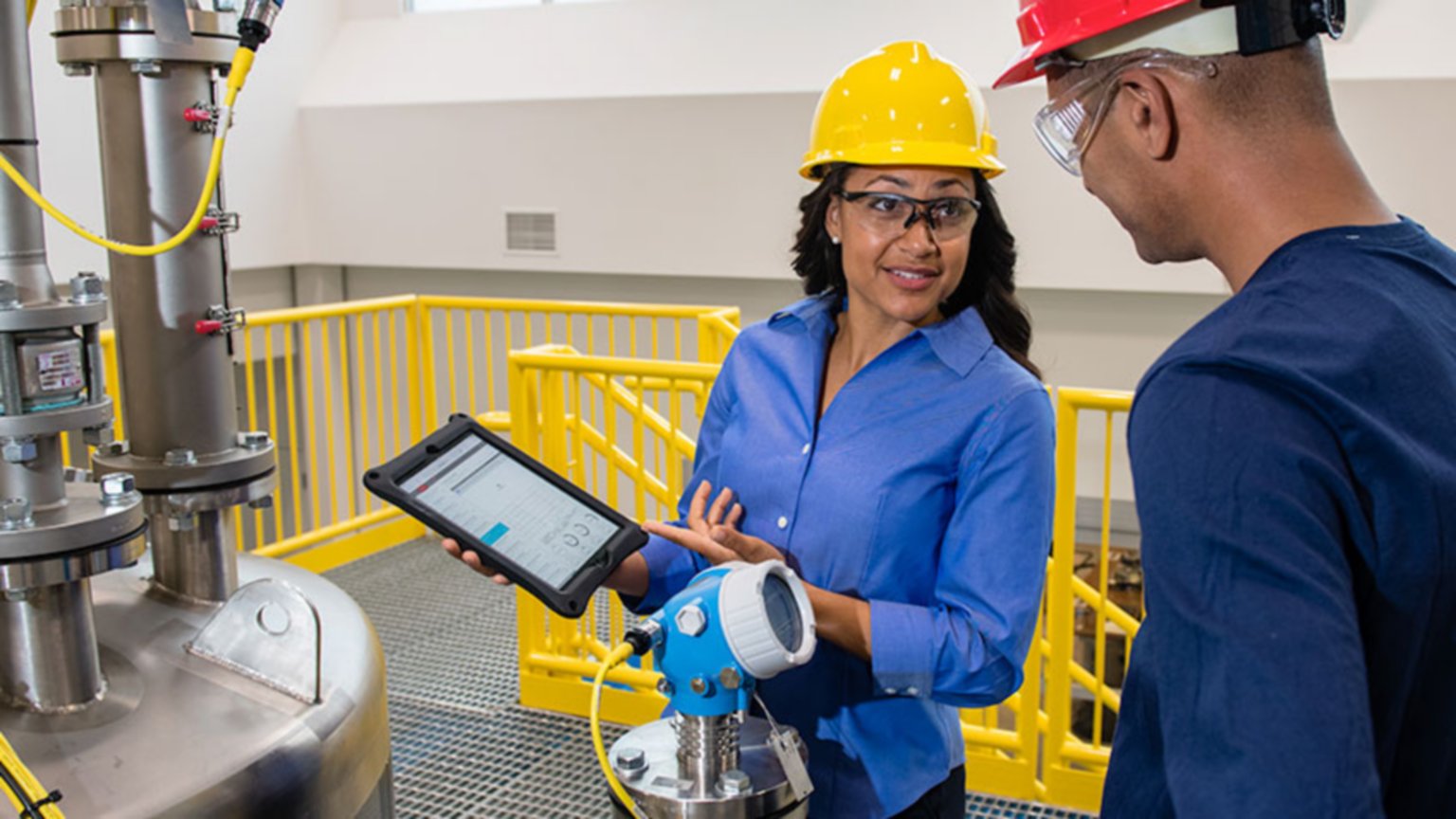
What is Functional Safety?
Functional safety is the part of a system’s design that ensures it operates safely, even when failures occur. It involves identifying potential hazards, assessing risks, and implementing safeguards like automated shutdowns, alarms, and redundancy systems to prevent accidents.
Functional safety standards help industries maintain compliance and reliability. It is critical in high-risk sectors like oil and gas, life sciences, mining, manufacturing, and automotive, where system failures can lead to serious harm. The end goal of functional safety is to enhance system reliability, protect human workers, and reduce financial and legal risks for businesses.
Why is Functional Safety Important?
Functional safety prevents accidents and protects workers by ensuring systems operate safely, even in the event of failures. Compliance with functional safety standards ensures regulatory adherence and minimizes legal and financial liability.
By implementing safety mechanisms like automatic shutdowns, alarms, and fail-safes, companies enhance system reliability and operational efficiency. Ultimately, functional safety builds trust, reduces downtime, and helps safeguard both people and assets from catastrophic failures.
How Functional Safety Works
Functional safety ensures machines and processes respond safely when something goes wrong. It does this through systems and technologies that:
- Monitor equipment conditions in real time
- Detect faults or abnormal behavior
- Trigger predefined safe responses such as shutdowns or speed reductions
- Reduce overall operational risk by preventing hazardous situations
- Maintain predictable performance even during component failures
Key Functional Safety Standards
Understanding the major safety standards helps organizations design systems that meet regulatory and industry expectations. Key standards include:
- IEC 61508 for functional safety of electrical, electronic and programmable systems
- ISO 13849 for safety-related machine control systems
- IEC 62061 for machinery functional safety
- IEC 61511 for process industry safety instrumented systems
- NFPA 79 for electrical safety in industrial machinery
- ISO 12100 for overall machinery risk assessment
Functional Safety Industry Applications
Functional safety plays a crucial role across a wide range of industries where equipment reliability and human protection are essential. Common applications include:
- Automotive assembly lines, robotics and testing systems
- Food and beverage packaging, processing and high-speed machinery
- Pharmaceutical production, batching and sterile processing
- Oil and gas pipeline monitoring, refining and emergency shutdown systems
- Chemical processing and hazardous material handling
- Manufacturing robotics, presses and automated material handling systems
Automated Safety in Manufacturing
Automated safety in manufacturing refers to the use of technology, such as sensors, machine guarding, robotics and control systems, to prevent accidents and protect workers without relying solely on manual intervention. These systems monitor equipment and processes in real time, detect unsafe conditions and trigger automatic responses like shutting down machinery, slowing production or alerting operators. By integrating safety directly into machines and workflows, manufacturers reduce risk, improve consistency and maintain high productivity while ensuring compliance with safety standards.
Others also viewed
Based on your activity