Loading

Oil and Gas Pipeline Automation

Advanced SCADA and Control Solutions for Effective Pipeline Management
Book a consultation
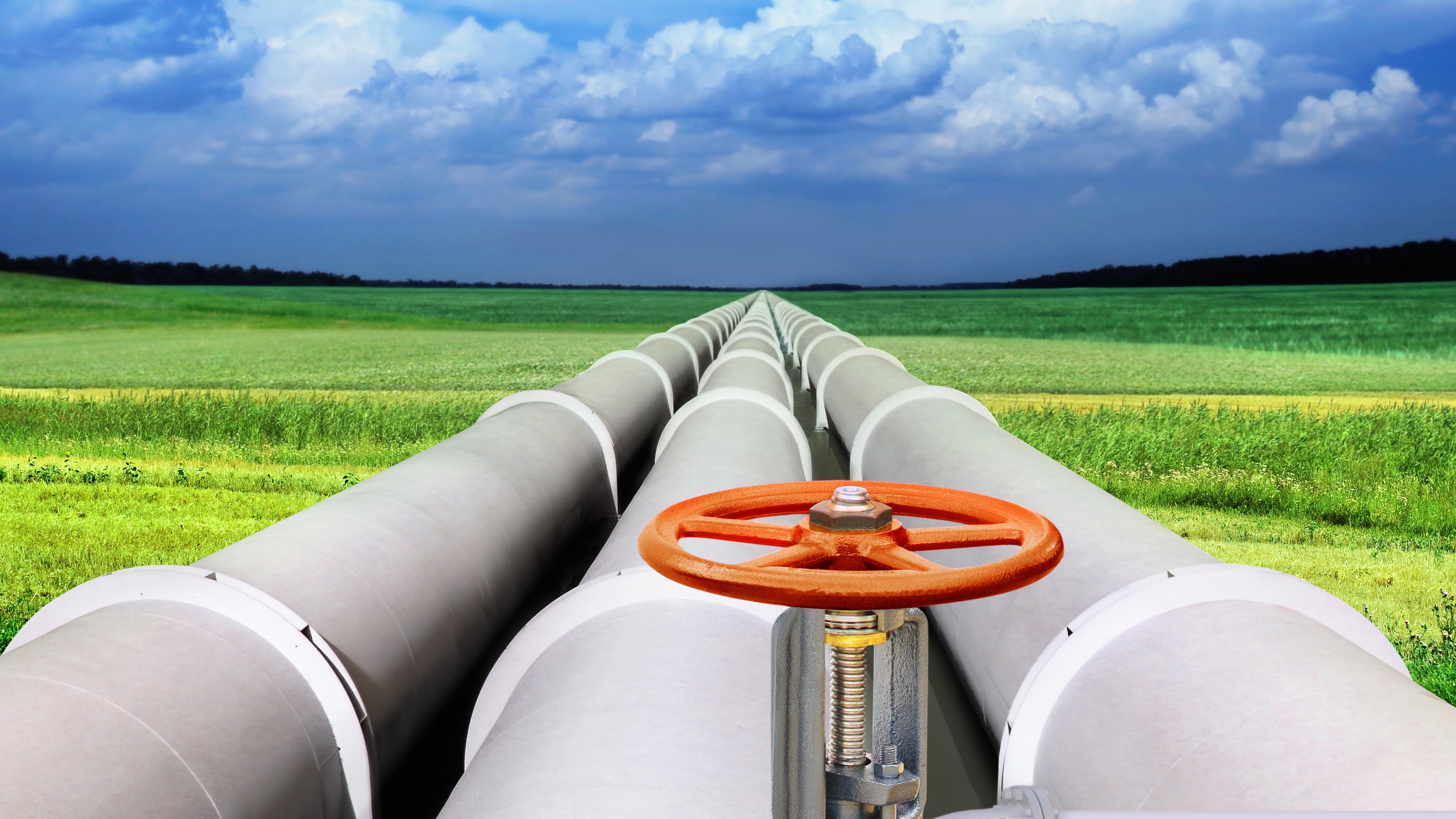
three pipes in a field
Oil and Gas
    • Gas Processing
    • Gas Processing
    • Liquefied Natural Gas
    • Liquefied Natural Gas
    • Offshore
    • Offshore
    • Onshore
    • Onshore
    • Pipeline and Transportation Automation
    • Pipeline and Transportation Automation
    • Refining and Petrochemical
    • Refining and Petrochemical
  • Sustainability
  • Offshore
  • Onshore
  • Pipeline and Transportation Automation
  • Refining and Petrochemical

Miles of new pipelines are built each year to help meet rising demands for transporting oil, gas, and petroleum products. Whether your pipelines are remote and unmanned or pass near city centers, the ability to keep product safely flowing 24/7 is critical.

Rockwell Automation brings proven process safety and pipeline expertise to oil and gas operators worldwide, supported by a team of experienced engineers and project managers who understand the safety, reliability, and regulatory demands of pipeline operations.

Using intuitive engineering tools and modern industrial technology, we design and implement solutions that strengthen pipeline safety, protect critical assets, and help you maintain optimized operational performance. Rockwell Automation’s integrated information, control, and power solutions for pipeline management support critical process safety and operational requirements, including:

  • Pipeline safety and protection systems
  • Emergency shutdown and safety instrumented systems
  • Pump and compressor control
  • Condition monitoring and asset health visibility
  • SCADA systems for pipeline operations
  • Terminal automation systems
  • Blending, sampling, and storage management solutions
Pipeline gas compression solution
Gas Pipeline Compression Station: Centrifugal compressors for gas transmission line pressure maintenance.
Application Profile
Pipeline gas compression solution

Enable electrification for gas compression using variable frequency drives.

Download Now

Solutions for Hydrocarbon Pipeline Automation

Modernize your operations and take advantage of connected technologies to address maintenance, reliability, and safety challenges in your operations.

Rockwell Automation and our PartnerNetwork™ members bring expertise in new pipeline construction and experience with existing system upgrades. There’s no reason to work through these challenges alone. We’re here to help. Work with a trusted partner who can provide the right technology, solutions, services, and expertise to keep your pipelines flowing safely.

Video
Solutions for Liquid Pipeline Automation

Improve data accessibility, flexibility, reliability, safety and security of your pipeline operations.

Video
Solutions for Natural Gas Pipeline Automation

Improve data accessibility, flexibility, reliability, safety and security of your pipeline operations.

Explore Operational Excellence in Pipelines

Achieving operational excellence in oil and gas midstream operations involves electrification, remote monitoring, and digital capabilities. Electrifying processes reduces carbon footprints and boosts efficiency. Remote monitoring enables real-time data collection for proactive maintenance and minimized downtime. Digital tools like advanced analytics and machine learning provide actionable insights, optimizing performance.

Launch the Interactive
Optimize Your Operations with the Smart Pipeline
Main Image
Brochure
Optimize Your Operations with the Smart Pipeline

Take advantage of digital technologies to help make your pipeline smarter and optimize your oil and gas operations.

Download Now

Pipeline Operations Optimization

You are under pressure to increase efficiency, enhance public safety, protect workers, and deliver higher returns for shareholders. Smart technologies, including Industrial IoT devices, cloud computing, and intelligent gas pipeline software, hold tremendous promise to help meet those demands.

Smart Technologies Can Help Cut Costs, Ease Compliance, and Enhance Safety

There are many options for smart devices, and many ideas of how to leverage IoT technology. It can be difficult to know where to begin. We have found five key areas of project focus that can make a significant difference in achieving success with smart technologies:

  • Quality data
  • Energy optimization
  • Root-cause analysis
  • Predictive monitoring
  • Condition-based maintenance

Products and Capabilities

Achieve Operational Excellence with a Wide Portfolio of Solutions

Our integrated systems allow operators to visualize information anywhere in the organization for fast decision-making. By using disruptive technologies, we are able to offer a fully digitized pipeline experience. Our solutions help you obtain actionable data accessible from various devices. This technology drives safer and more efficient operations with secure remote access.

Related Products

  • Motor Control Centers
  • Process Safety Systems
  • Intelligent Motor Control
  • Process Control Systems
  • Remote Monitoring and Analytics
  • Visualization Solutions

What is Pipeline Transportation?

Pipeline transportation is a widely used method for moving fluids like crude oil, natural gas, and refined products over long distances through underground or above-ground pipes. While it is efficient and cost-effective, the process comes with several challenges, including the risk of leaks or ruptures, pressure imbalances, equipment failures, and difficulties in monitoring vast pipeline networks in real-time. These issues can lead to environmental damage, safety hazards, and costly downtime if not promptly addressed. To overcome these challenges, many operators are turning to pipeline automation—an advanced solution that uses sensors, control systems, and real-time data analytics to monitor, regulate, and optimize pipeline operations. 

What is Pipeline Automation?

Pipeline automation in the energy sector refers to the use of advanced control systems, sensors, and software to monitor and manage the flow of oil and gas or other energy resources through pipelines. This technology enables real-time data collection, leak detection, pressure and flow regulation, and remote operation of valves and pumps, helping to improve safety, reliability, and efficiency. By automating key processes, energy companies can minimize human error, respond quickly to anomalies, reduce operations costs, and ensure compliance with environmental and safety standards. 

How Does Oil and Gas Pipeline Automation Work?

Energy pipeline automation works by integrating sensors, programmable logic controllers (PLCs), and supervisory control and data acquisition (SCADA) systems to continuously monitor and control pipeline operations. Sensors placed along the pipeline collect data on pressure, temperature, flow rate, and potential leaks, which is then transmitted to a central control center via communication networks. 

The SCADA system processes this data in real-time, enabling operators to make informed decisions or allowing the system to automatically adjust valves, pumps, and compressors as needed. This closed-loop control ensures optimal performance, rapid response to issues, and seamless coordination across the entire pipeline network. 

Benefits of Oil and Gas Pipeline Automation

Oil and gas pipeline automation delivers numerous advantages that improve safety, efficiency, and overall operational effectiveness. Key benefits include:

  • Real-time monitoring and control: Enables immediate detection and response to issues such as leaks, pressure changes, or equipment malfunctions.
  • Improved safety: Reduces the risk of accidents and environmental damage by identifying and addressing problems quickly.
  • Enhanced efficiency: Optimizes flow rates, pressure, and resource allocation for more reliable and cost-effective energy transport.
  • Remote operation: Minimizes the need for on-site personnel, reducing labor costs and exposure to hazardous environments.
  • Regulatory compliance: Automatically records operational data to support reporting and audits, helping meet safety and environmental standards.

FAQs

What ROI can pipeline operators expect from automation investments?

Pipeline automation delivers measurable value by optimizing product movement, reducing unplanned downtime, improving energy efficiency and maximizing throughput across transmission and gathering networks. Advanced control strategies can improve pump and compressor utilization, optimize line pack management and reduce operational variability, helping operators move more product through existing infrastructure without major capital investments.

How does pipeline automation improve safety and regulatory compliance?

Modern pipeline automation combines SCADA, safety systems and real-time monitoring to help operators maintain safe operating conditions across geographically dispersed assets. Integrated control and safety architectures continuously monitor pressures, temperatures, flow rates and equipment health, enabling earlier detection of abnormal operating conditions.

Automation also supports automated shutdown sequences, alarm management, event recording and regulatory reporting. Operators gain a complete audit trail of operational events, supporting compliance with pipeline safety regulations while reducing the risk of human error during critical operating situations.

How can pipeline operators modernize legacy SCADA and control systems without disrupting operations?

Many pipeline operators still rely on aging PLCs, RTUs, HMI platforms and communications infrastructure that increase maintenance costs and cybersecurity risks. A phased modernization approach allows operators to upgrade control systems, communications networks and operator interfaces while maintaining continuous operations.

How are AI and advanced analytics being used in pipeline operations?

Pipeline operators are increasingly using AI and analytics to move from reactive to predictive operations. By combining SCADA data, historian information, equipment diagnostics and operational context, analytics platforms can identify abnormal operating patterns before they impact production.

Common applications include:

  • Predictive maintenance for pumps, compressors and rotating equipment
  • Anomaly detection for pressure, flow and temperature deviations
  • Leak detection enhancement through pattern recognition
  • Energy optimization across pipeline networks
  • Predictive asset health monitoring for remote facilities

These capabilities help operators improve reliability, reduce maintenance costs and make faster operational decisions across distributed assets.

Can modern automation platforms integrate with legacy pipeline infrastructure?

Modern pipeline automation platforms are designed to integrate with both new and legacy infrastructure. Modern automation architectures are designed to integrate with existing PLCs, RTUs, SCADA systems, instrumentation and third-party applications using industry-standard protocols such as Modbus, DNP3, OPC UA and MQTT.Connected architectures allow operators to improve visibility across SCADA systems, control systems and operational assets without requiring complete replacement of existing environments. This approach helps reduce implementation risk while creating a stronger foundation for future modernization efforts.

How does predictive monitoring help reduce pipeline downtime?

Traditional maintenance strategies rely on fixed inspection intervals or reactive repairs. Predictive maintenance continuously analyzes equipment condition data from assets such as pumps, compressors, motors, drives and valves to identify early signs of degradation.

By monitoring vibration, temperature, power consumption and process performance indicators, operators can schedule maintenance activities before failures occur. This helps reduce emergency repairs, minimize truck rolls to remote locations and improve asset availability across the pipeline network.

How does terminal automation improve throughput and operational efficiency?

Terminal automation systems coordinate loading racks, tank farms, metering skids, blending operations and custody transfer processes through a centralized control environment. Automated workflows reduce manual intervention, improve inventory accuracy and shorten loading cycle times.

Integration between pipeline operations and terminal systems also enables better scheduling, product tracking and delivery coordination. The result is higher asset utilization, improved operator productivity and increased throughput across storage and distribution operations.

How does Rockwell Automation support operators throughout the pipeline lifecycle?

Rockwell Automation supports pipeline operators throughout the asset lifecycle, from system design and implementation through optimization, modernization, monitoring and maintenance. Organizations using our solutions have achieved improved remote visibility across 30+ facilities, stronger operational resiliency and more effective management of distributed pipeline assets.

How can pipeline operators improve cybersecurity while expanding remote operations?

As pipeline operators increase connectivity between field assets, control rooms and enterprise systems, cybersecurity becomes critical to operational resilience. A defense-in-depth approach combines network segmentation, secure remote access, industrial firewalls, identity management and continuous monitoring to help protect critical infrastructure.

Modern industrial cybersecurity programs also align operational technology (OT) and information technology (IT) security strategies, helping operators reduce cyber risk while enabling remote monitoring, centralized operations and digital transformation initiatives.

How can automation support leak detection and pipeline integrity management?

Automation platforms can integrate leak detection applications with SCADA systems, pressure monitoring, flow measurement and real-time transient models. By continuously analyzing operating conditions, operators can identify potential leaks, equipment failures or abnormal operating scenarios more quickly.

When combined with integrity management programs, automated monitoring helps improve situational awareness, accelerate incident response and support environmental and regulatory compliance objectives.

How are centralized operations centers transforming pipeline management?

Centralized operations centers allow operators to monitor and control multiple pipelines, terminals, compressor stations and pump stations from a single location. By integrating real-time operational data, alarms, analytics and asset performance information into one environment, operators gain greater visibility across the network.

This approach can improve decision-making, reduce staffing requirements at remote sites, standardize operating procedures and create a scalable foundation for future AI-enabled and autonomous operations.

Ready to talk to a Rockwell Automation consultant?

We offer industry expertise to help design, implement and support your automation investment.

Contact Us

Recommended for You

Loading
Loading
Oil & Gas Engineering Product of the Year
CompactLogix™ 5380 Process controller, catalog 5069-L340ERP, with front view on a white background. The 2021 Oil & Gas Engineering Product of the Year Gold Award logo is positioned at the top right corner of the controller.
Hardware
Oil & Gas Engineering Product of the Year

CompactLogix™ 5380 Process controller has been voted the 2021 Oil & Gas Engineering Product of the Year, Control Systems Gold Award winner. 

Discover Why

Others also viewed

Loading
Loading
Loading
Loading

Based on your activity

Loading
Loading
Loading
Loading
  1. Chevron LeftChevron Left Rockwell Automation Home
  2. Chevron LeftChevron Left Industries
  3. Chevron LeftChevron Left Oil and Gas Automation Software Solutions
  4. Chevron LeftChevron Left Pipeline and Transportation Automation
Please update your cookie preferences to continue.
This feature requires cookies to enhance your experience. Please update your preferences to allow for these cookies:
  • Social Media Cookies
  • Functional Cookies
  • Performance Cookies
  • Marketing Cookies
  • All Cookies
You can update your preferences at any time. For more information please see our {0} Privacy Policy
CloseClose