This is part 1 of a 4-part blog series where we look at how OEMs can transform their business at each stage of the machine lifecycle.
Your customers are increasingly pushing for higher‑performing machines that have better data integration and can flexibly adapt to changes in production. Meanwhile, your OEM business must meet these demands while navigating skilled workforce challenges and staying profitable in the process. Thankfully, with smarter machines and smarter processes, OEMs like you can forge a new path to meet these demands and outperform in a dynamic market.
A more innovative design process
Being involved in the design and development of a machine, you're aware of the critical importance of the design stage. Items that get missed, overlooked or engineered incorrectly can have significant impact on you and your customer as the project continues. In the past, a forgotten detail or miscalculation at this stage had the potential to be left unseen until the machine was built and started running in your facility – or even later, at the customer’s. The cost of identifying the error and reworking a solution can be the difference between a successful project and one that misses targets.
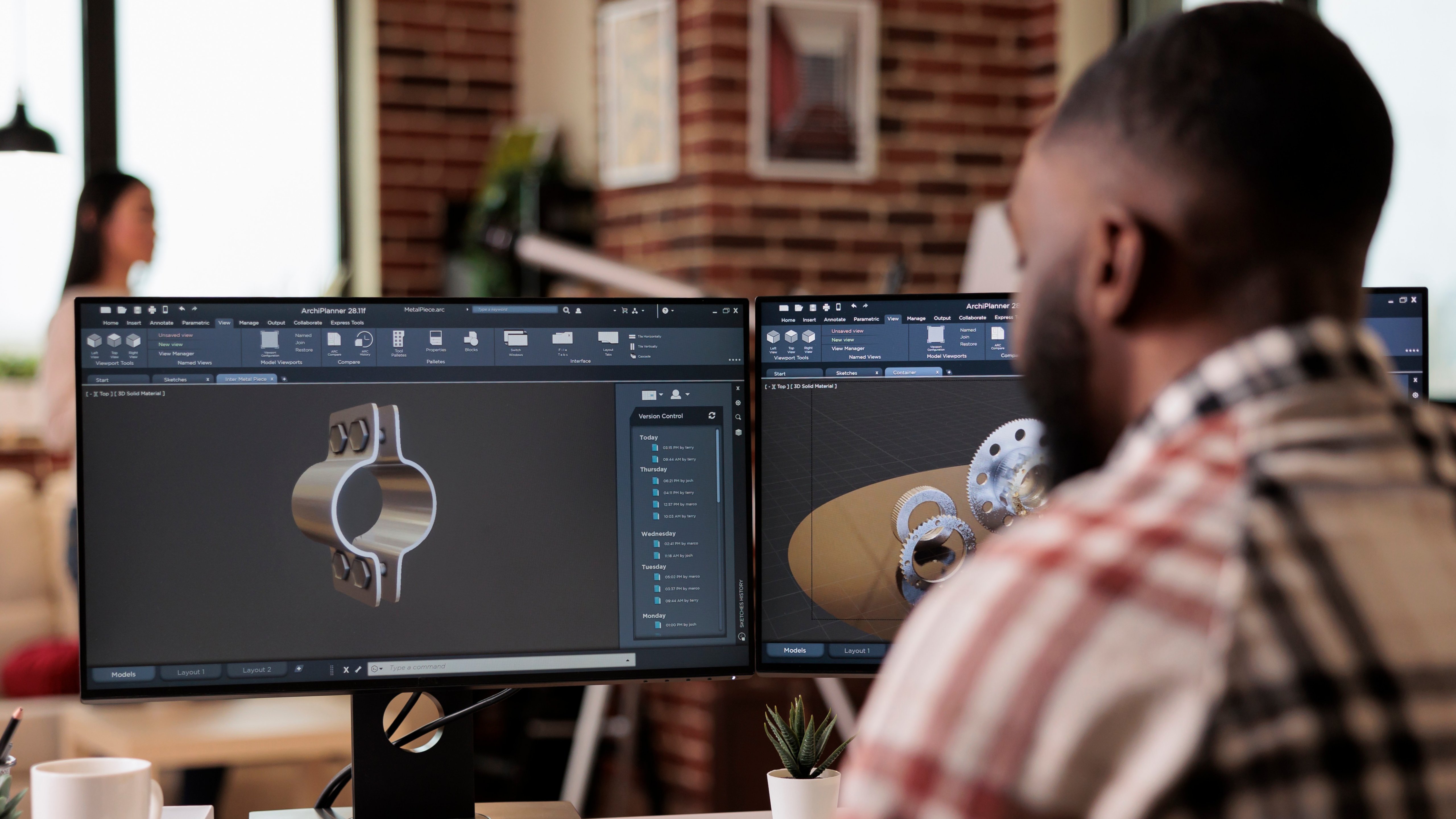
The design stage is also where innovation truly begins. Digital design solutions are enabling OEMs to transform their design process to create a seamless workflow that is more efficient from start to finish. The latest tools enable teams to work faster and validate their work earlier – resulting in shortened development cycles and better connected, more reliable systems that have been thoroughly tested before they start to be physically built.
Bringing it all together: A digital design workflow
Breakthroughs in digital design solutions enable OEMs to meet old challenges head on and transform their design process so that it is more efficient, reliable, collaborative and innovative. To leverage the full benefits of digital design, it is important to start building in a robust digital platform at the start – and then connecting to other digital tools that can be used to help layer productivity throughout the design stage. These advanced solutions can be used on their own or arranged in a way that best fits the needs of an individual business, but as each solution is added to the design workflow, the opportunity to compound capabilities and efficiencies grows.
Supercharge the capabilities of your team using cloud-based design
To achieve a more flexible, future-ready design process, teams must be able to break down silos of information and collaborate using tools that amplify their skills, instead of managing non-value tasks. Architecting your machine control code in FactoryTalk® Design Studio™ makes this and more possible. This modern, cloud-based design software empowers scalable teams with multiple skill sets to collaborate and work faster together in a multi-user environment. The software can help them work smarter too. Generative AI Plan & Build Agents that are embedded within the software can accelerate development by automating project scaffolding, generating code and guiding workflows. It also unlocks the door to software-defined automation systems where control software is decoupled from the underlying automation hardware. The result is a more resilient, capable and future-ready control environment.
Reduce risk by fully optimizing your designs in a digital environment
Once the mechanical design is complete OEMs can use Emulate3D® digital twin software to apply physics to 3D CAD models and turn static designs into dynamic, testable systems. This lets OEMs check machine performance, evaluate interactions with people or upstream/downstream equipment and even step inside the design using VR to validate ergonomics and operator workflows.
Because changes can be made with a few clicks rather than through real-world rework, OEMs can iterate faster and without physical risk. Now you can test, refine and optimize the machine before exiting the design phase. Machines can be tested against almost any manufacturing scenario to find optimal layouts, locate potential bottlenecks and more. Time can even be sped up virtually to see long-term performance data such as throughput with different product mixes.
Increase reliability with controller emulation
FactoryTalk® Logix Echo software extends this advantage by letting OEMs emulate their Logix-based control systems and connect them directly to their digital machine models. Now it is possible to virtually commission your machine without committing to a final design. Instead of waiting for hardware to arrive or discovering issues while on-site, engineers can validate real PLC logic against a dynamic digital twin, uncovering misalignments or performance issues early - long before a machine is bolted to a customer’s floor. Together, Emulate3D digital twin software and FactoryTalk® Logix Echo software give OEMs a unified digital thread from mechanical design through controls testing, reducing late‑stage surprises, compressing commissioning timelines and strengthening customer confidence.
Put data at the core of your machines
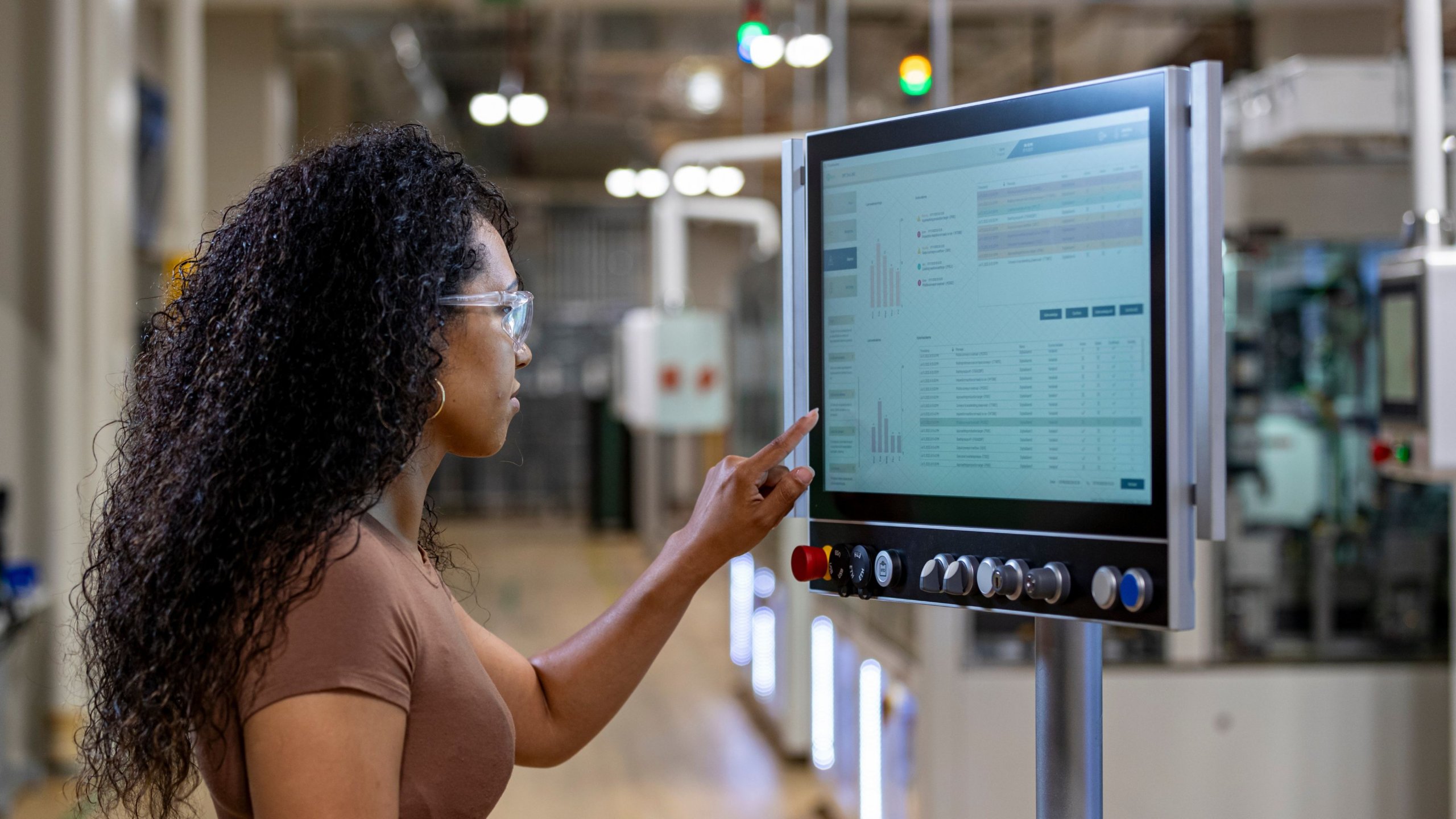
Your HMI design can become more innovative too. In the past, building visualization would require tedious work – arranging and connecting each component on every display and reworking to fit to different screen sizes and operating systems. FactoryTalk® Optix™ software helps OEMs streamline HMI design by giving them a flexible, modular platform that adapts to the needs of each application. Its object‑oriented, cross‑platform architecture lets engineers choose the hardware and operating system that best fits their design - whether that’s ARM or x86, Windows or Linux, or even an HTML5 browser. Because applications aren’t tied to a specific display device, OEMs can deploy the same project to an edge device, an OptixPanel™ terminal, an industrial PC or web client. This freedom reduces engineering rework, simplifies standardization across product lines, and allows teams to scale designs up or down without starting from scratch.
The platform also makes it easier for OEMs to build more connected, user‑friendly and data-flexible machines. With the ability to create data that is accessible, organized and seamlessly sharable across applications, this platform provides a path to smart machines that are smarter than ever. And with connectivity to FactoryTalk® Remote Access™ software, OEMs can support machines without being physically on-site – a significant efficiency driver in the maintain and improve phase of the machine lifecycle.
The difference is digital
By embracing a fully connected digital design workflow, OEMs can transform their design process into a competitive advantage and reshape their machines into more capable, reliable and profitable systems. From cloud-based control design to dynamic digital twins to smarter visualization design – machine builders can select from a transformative set of software tools to craft a design workflow that matches their unique needs and prepares them to be ready for what the future brings. The OEMs that invest in these capabilities today will be the ones setting the pace tomorrow.
Ready to assess what solutions would be the best fit for your business? Connect with a Rockwell Automation expert and let’s identify the best solution for you.