When you are responsible for a multi-billion dollar asset, what do you focus on? Is it uncontrolled release events? Is it having to squeeze out tight margins? Is it a potential loss of intellectual property or assets due to cybersecurity attacks? Regardless of which challenge or how many, we can help you run a safe and efficient operation.

Safety, Efficiency, and Maximum Uptime
Powerful process and motor controllers integrate easily with your main DCS to provide tight control and comprehensive information on refinery assets. This seamless technology integration helps you meet your performance objectives. Rockwell Automation and our PartnerNetwork™ program associates have a well-earned reputation for assisting refineries improve productivity, safety, and efficiency. We have more than 50 years of experience in refining and petrochemical applications and have helped many companies improve productivity, safety, and efficiency. We can help you design, deploy, and maintain the ideal system for your operations.

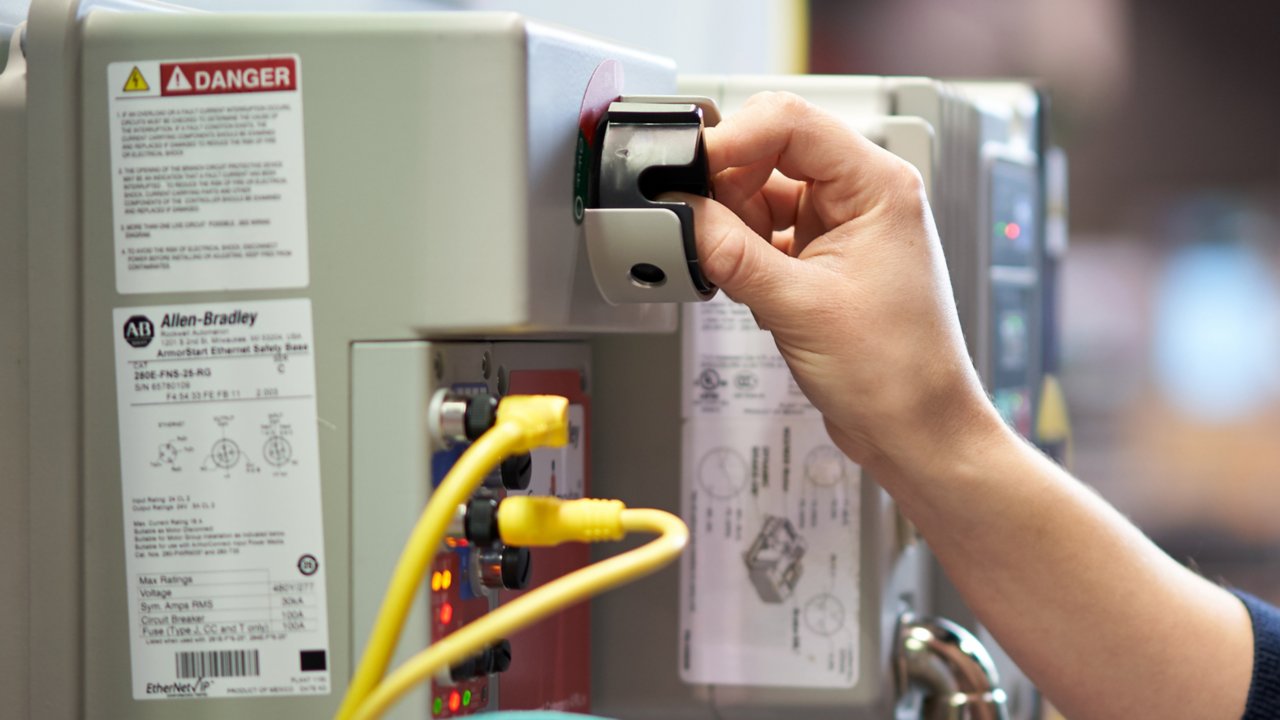
Efficient and Safe Refining Operations
Rockwell Automation brings deep process safety expertise to oil and gas operations, supported by a global team of experienced engineers and project managers who understand the operational and regulatory challenges you face.
Using proven, easy-to-use engineering tools and modern industrial technology, we design and implement solutions that strengthen protection layers, improve operational stability, and help you safely optimize throughput and yield.
Our engineering services are designed to help you meet project milestones while maintaining compliance, controlling costs, and minimizing risk across the full lifecycle of your operation.
Rockwell Automation’s integrated information, control, and power solutions for oil and gas and gas processing facilities support critical process safety and reliability needs, including:
- Fire and gas detection systems
- Emergency shutdown systems and safety instrumented systems
- High integrity pressure protection systems
- Motor control and power distribution
- Metering and measurement solutions
- Pump, compressor, and turbomachinery control with condition monitoring
- Process control and advanced process control
Together, these capabilities help you protect people and assets, maintain regulatory compliance, and keep production running safely and reliably.
Motor Control for Efficient and Safe Operations
Refineries need to operate 24/7 because of the continual business pressure on margins. So in a demanding environment, where safety is paramount, you can’t afford to have unplanned downtime caused by unnecessary maintenance or sudden failures that leave energy consumption unchecked. So with countless electric motors you need to maximize asset utilization while minimizing energy consumption in order to maintain high levels of uptime. Selecting the right motor control can go a long way to helping you safely meet these goals.
Our intelligent motor control helps enable smart connected systems. With the information you receive from smart motor control devices, you can make informed decisions based on the health of your motors and their operating conditions. You can take the information from our portfolio of intelligent motor control and take a data-driven approach to your processes and then utilize dashboards and analytics to ultimately improve system performance and gain operational efficiencies.
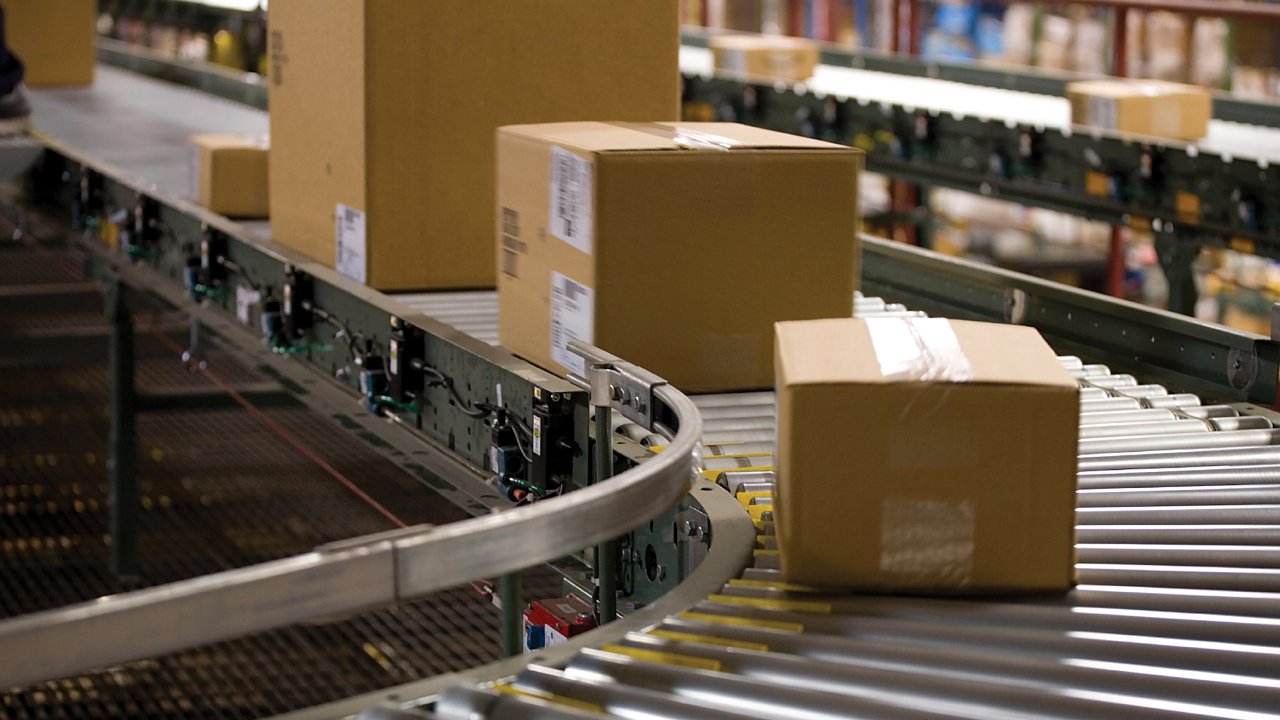
Process Control Solutions for Optimized Operations
Automating your processes does not have to be a “one-size-fits-all” solution to maintain your critical operations.
Today, process control, discrete control, power control, and safety control no longer have to be a choice of separate technologies. Producers can now choose to implement a plant-wide control system. The use of common automation technologies enables seamless integration of our process control system with plant-floor and business systems, creating more opportunity for plant-wide optimization. This approach improves productivity, lowers energy consumption, and reduces total cost of ownership.
Our optimization solutions help you meet the variability, waste, and energy consumption challenges you face to help you meet your production goals. We manage this through our unparalleled industry expertise and in-depth knowledge of the key processes and variables that can be improved to help you meet your business objectives.
Our process control and optimization solutions can help you in areas like:
- Operational safety
- Cost of maintenance
- Reduced fuel and power usage
- Environmental regulations


How is Automation in Oil Refineries Used?
Automation in oil refineries is used to monitor, control, and optimize complex processes with high precision and safety. It involves the integration of advanced control systems such as Distributed Control Systems (DCS), Supervisory Control and Data Acquisition (SCADA), and Programmable Logic Controllers (PLCs) to manage equipment like distillation columns, pumps, compressors, and heat exchangers.
These systems automatically regulate temperature, pressure, flow rates, and chemical composition across various units to ensure consistent product quality and efficient resource use. Automation also plays a key role in real-time data collection, predictive maintenance, safety monitoring, and emergency shutdowns, reducing human error and downtime. Additionally, advanced analytics and AI are increasingly used to optimize performance, detect anomalies, and improve energy efficiency, making oil refining more cost-effective and environmentally compliant.
Benefits of Automation in Oil Refineries
When automated systems are deployed across oil refinery processes, a wide array of benefits is realized. Benefits can include:
- Improved safety: Automation reduces the need for manual intervention in hazardous environments, minimizing the risk of accidents, fires, and exposure to toxic substances.
- Enhanced process efficiency: Automated systems optimize temperature, pressure, and flow control, leading to more consistent production, reduced energy consumption, and higher throughput.
- Real-time monitoring and control: Automation enables continuous monitoring of equipment and processes, allowing for instant adjustments and early detection of issues before they escalate.
- Reduced operational costs: By improving efficiency and minimizing downtime through predictive maintenance and error reduction, automation lowers overall operating expenses.
- Higher product quality and consistency: Automated control systems maintain precise process parameters, ensuring consistent output quality and compliance with regulatory standards.
Types of Automated Oil Refinery and Production Control Systems
Automated control systems are essential in modern oil refineries and production facilities, as they help manage complex processes, ensure safety, and optimize performance. These systems use a combination of hardware and software to monitor, regulate, and control various operations across the refinery.
Examples of key automated oil refiner and production control systems include:
- Distributed control systems
- Supervisory control and data acquisition
- Programmable logic controllers
- Safety instrumented systems
- Advanced process control
- Manufacturing execution systems
These automated control systems work together to improve the safety, reliability, and productivity of oil refining and production operations.
FAQs
What ROI can refineries expect from automation and process optimization investments?
How does automation contribute to process safety in refining and petrochemical operations?
What are the challenges associated with integrating process, power and safety systems within a refinery?
How can refinery operators modernize legacy control systems without disrupting operations?
How can refinery operators optimize energy consumption without reducing production?
Is it possible for refinery operators to use AI to improve operational performance?
How does Rockwell Automation support the asset lifecycle for assets within a refinery operations?
How does advanced process control improve refinery performance?
Recommended for You

Others also viewed
Based on your activity