Loading

Industrial Metal Processing and Steel Industry Automation Solutions

Harness data to maximize plant efficiency and performance with Automation Solutions for the Primary Metals Industries.
Steel production at the metallurgical plant
Metals
  • Iron and Steel
  • Casting, Rolling & Finishing
  • Utilities Control
  • Raw Material to Market

Steel producers today are dealing with a myriad of challenges, which are being made even more complex by trade challenges, aging workforces approaching retirement and the market still expressing overcapacity concern. Our dedicated industry team will apply specific application and process experience to create the right control solutions for you.
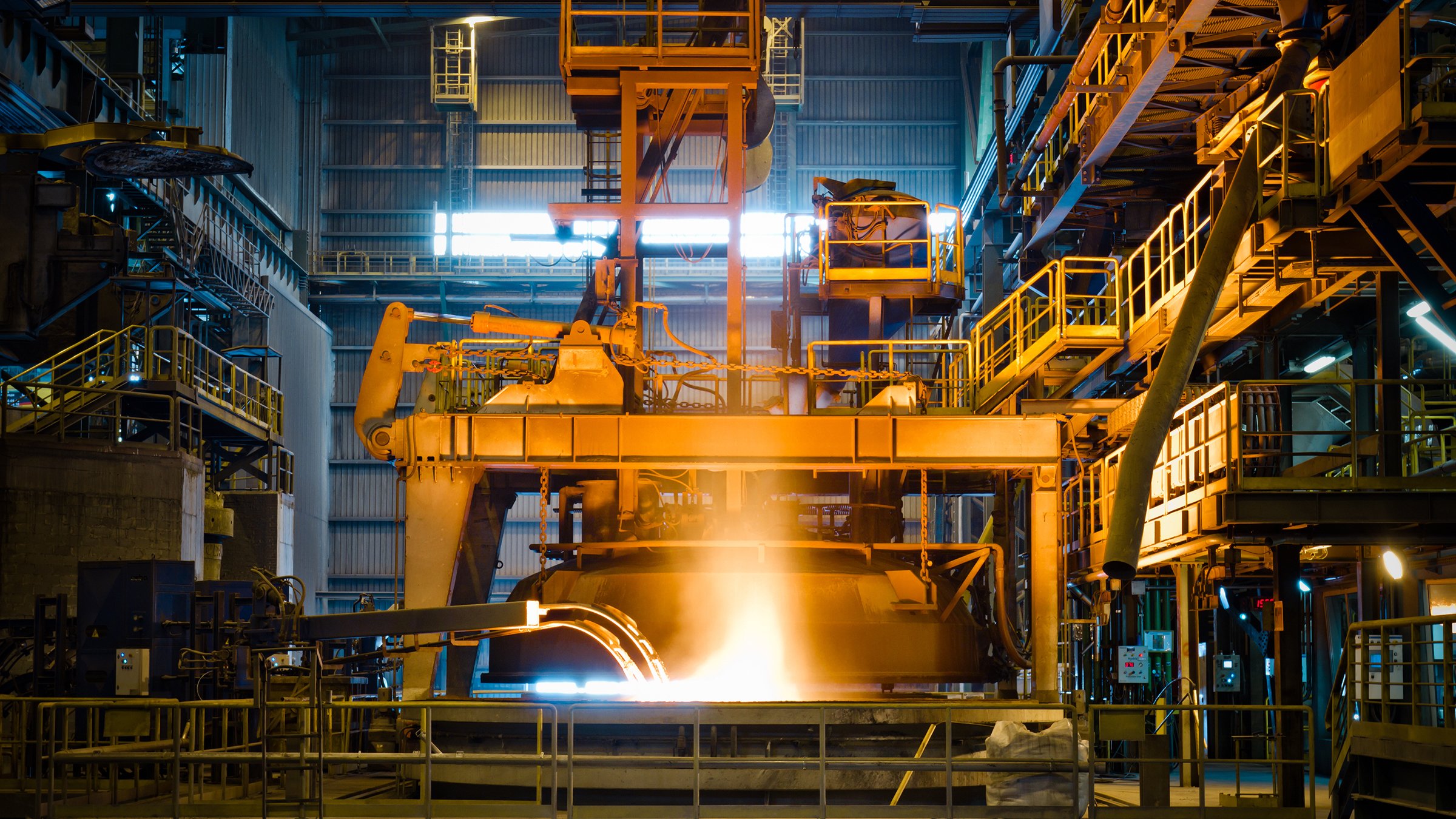

Extract Value at Every Stage of Your Steel Process

Enable Raw Material to Market Visibility with the Connected Steel Plant

A Connected Steel Plant can link your processes, assets and people to provide a holistic view of your entire operation. Robust, easy to access data allows you to view contextualized asset information, reduce downtime and manage your most important activities. Create more efficient, profitable operations that help you lead the way into the future.

The Connected Steel Plant
na
Brochure
The Connected Steel Plant

Improve operational efficiencies, reduce safety risks and drive better decision-making with a solution to fit your needs.

Download Now
Video
The Connected Steel Plant

Learn how you can get the most out of your process and equipment using high-efficiency solutions that improve your overall productivity.

Step inside the Connected Steel Plant

Address your application challenges at the source and discover strategic solutions from plant floor to enterprise with this interactive tool.

Try It Out

Steel Industry Automation Solutions by Area: Increase Your Operational Efficiency

Get the most out of your processes and equipment and improve your overall productivity with tested and validated architectures and dedicated functionalities for metals operations.

casting metal outlined black

Iron and Steel Processes

Maintaining efficiency and consistency is critical within the iron production and steelmaking processes, ensuring quality and operational stability through threat of variation.

Discover Our Iron and Steel Processes Expertise

continuous castor outlined black

Casting, Rolling and Finishing

Precise control in motor-intensive applications can impact the quality of final products and help minimize downtime.

Discover Our Iron and Steel Processes Expertise

rolled steel outlined black

Utilities Control

From power distribution to crane controls, these applications are key to support any steel mill.

Discover Our Iron and Steel Processes Expertise

wind turbine for power generation outlined black

Raw Material to Market

The information revolution is here. For metals companies to change, they must use operations data to make decisions.

Discover Our Raw Material Expertise

Opportunities in Green Steel

The next big thing in sustainable materials innovation

The steel industry is responsible for 8% of man-made CO2 emissions. Urgent action is needed to initiate a decarbonization process. Steelmakers who improve the sustainability of their operations can help advance this process and build the future of Green Steel.

Green Steel Innovation
Eco power Wind turbines generating electricity
Sustainability
Green Steel Innovation

New sustainable initiatives can be used to replace traditional steelmaking processes to reduce carbon emissions and improve output quality.

See How It Can Make a Difference

Digital Transformation Strategies for the Steel Industry
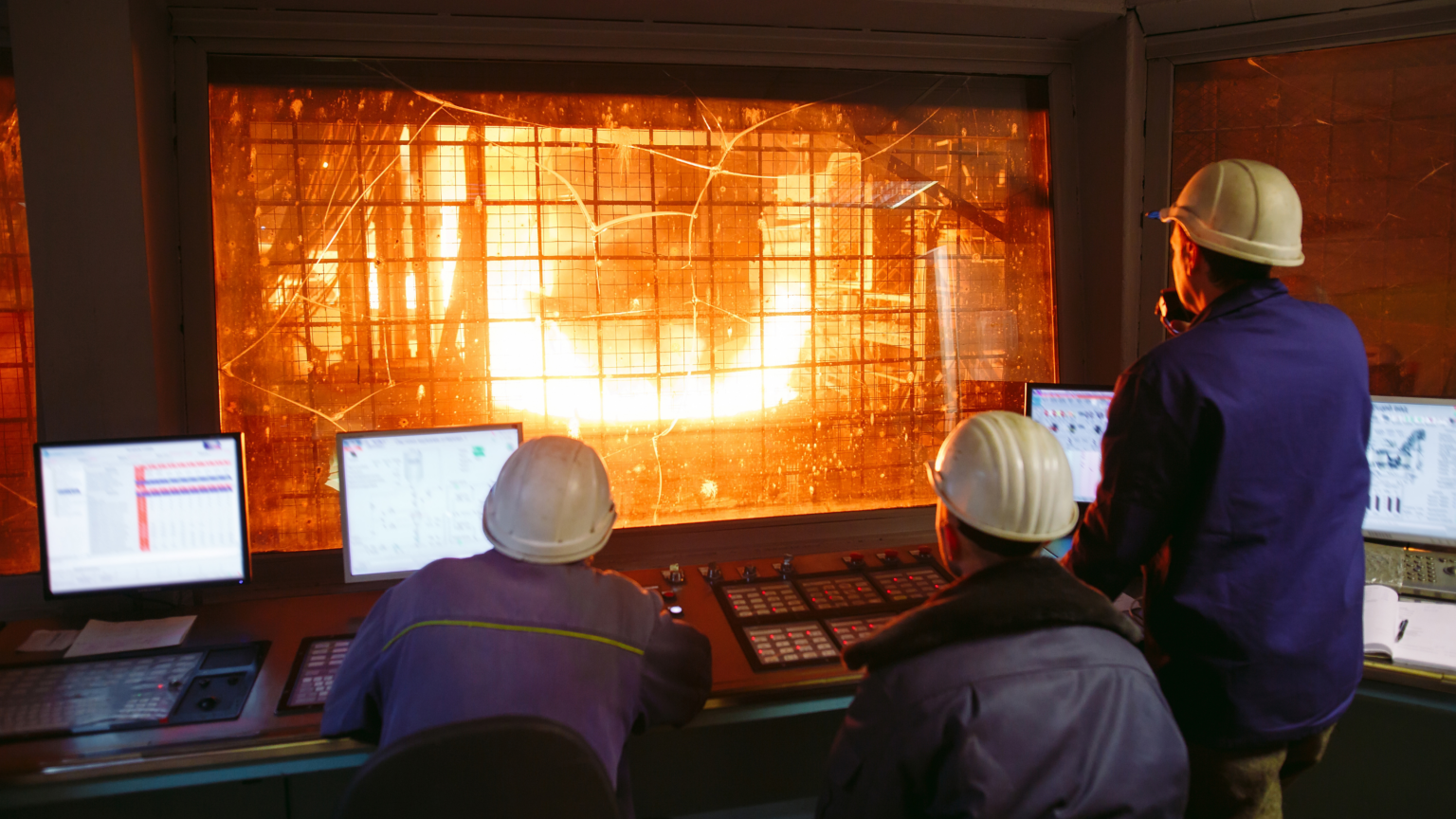
Multiple steel workers in plant control room looking through window to blast furnace
eBook
Digital Transformation Strategies for the Steel Industry

While the challenges facing the industry are significant, you can mitigate associated risks by focusing on strategic, action-oriented responses to trends and implications. Adapt in a constantly changing market by leveraging technology to make the workplace more attractive, safe and efficient.

Download Now

Digital Transformation: From Strategies to Solutions

Use the latest and greatest in digital technology tools to overcome your business challenges and reshape your operations. Integrated technologies allow the opportunity to maximize plant performance, remotely manage asset performance, and reduce energy and emissions. Gain a holistic view of your plant by smartly managing your maintenance activities.


How We've Helped Businesses Like Yours

Through different strategies of developing digital transformation solutions, expanding operational capabilities, saving costs, reducing downtime, and increasing production, we have been working with metals companies to achieve one common goal of improving overall operations.
Video
AIC and Rockwell Automation Partner to Deliver Improved Diagnostics

Upgraded diagnostic and troubleshooting capabilities proved to reduce downtime and increase production for Chicago Heights Steel.

Smart Devices for Smart Steel Production
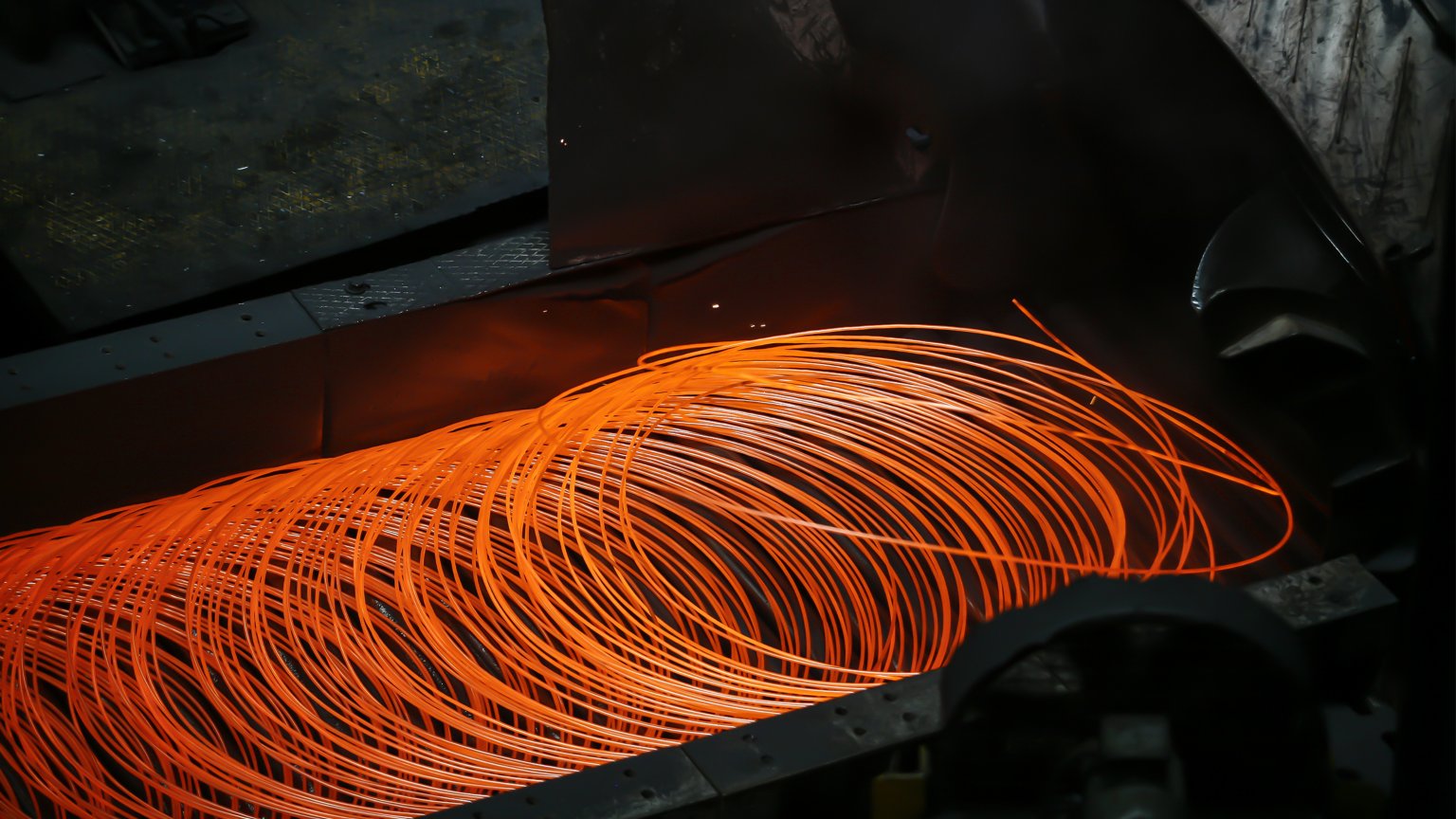
Steel making in steel plant, turkey
Case Study
Smart Devices for Smart Steel Production

Smart manufacturing is the gateway to digital transformation. Read how a metal manufacturer looked to Rockwell Automation to help them connect disparate company divisions.

Read Now

How Automation in the Steel Industry Works

The industrial metal processing industry is complex and one that faces many unique challenges, which prevent businesses from reaching their full potential. However, with advanced technology, like steel automation solutions, businesses can optimize their operational efficiencies, reduce safety risks, and drive better decision-making across processes.

Challenges in the Industrial Metal Processing Industry

The steel and industrial metals industry faces many challenges, ranging from supply chain and quality management issues to maintaining worker safety and regulatory compliance. Some of the most common challenges faced by businesses in this sector include:

  • Supply chain management – outdated technology and fragmented operations often prevent businesses from adjusting inventory to meet fluctuating market trends.
  • Maintaining worker safety – steel processing relies on high-temperature transformations to achieve the final product, a process that can put workers at severe risk of bodily harm or injury.
  • Adherence to pollution and waste management regulations – the steel industry is one of the biggest contributors to man-made CO2 emissions, and the processes used can create hazardous byproducts that need to be disposed of safely.
  • Excess capacity – the current gap between global steelmaking capacity and the world demand is leading to financial difficulties for many steelmakers.
  • Quality assurance – the structural integrity of products must meet stringent regulations to ensure its safety in end usage.

What is Automation in the Steel Industry?

Industrial metal and steel automation refers to the many advanced technologies that can be incorporated into industrial metal manufacturing processes to increase operational efficiency, reduce risks to workers, and ensure regulatory compliance.

What Processes Can be Automated?

Steel automation solutions can range from physically automating processes and equipment, such as power distribution or stacker-reclaimer control, to digital solutions, like automated metal distribution software. Common processes that can be automated include:

  • Casting
  • Rolling
  • Finishing
  • Slab handling
  • Coil handling
  • Crane control
  • Dip tank and coil storage operations
  • Power distribution

This combination of automation technology enables manufacturers to streamline their processes from maintaining supply levels to delivering end products, and everything in between.

Benefits of Steel Automation

Industrial metal and steel automation provides businesses with a holistic view of their operations, empowering them to maintain end-to-end operational efficiency. Some of the biggest benefits of incorporating these automation solutions include:

  • Improved operational efficiency
  • Reduced production costs
  • Data-driven decision-making capabilities
  • Ensured adherence to regulatory compliance
  • Increased worker safety

Metal Processing FAQs

What is industrial metal processing automation?

Industrial metal processing automation is the use of advanced control systems, software, and connected technologies to monitor, control, and optimize metal production processes. This includes ironmaking, steelmaking, casting, rolling, finishing, material handling, and utilities. Automation of metal processing systems helps metal producers improve efficiency, reduce process variation, enhance safety, and maintain consistent product quality across the entire operation.

How does automation improve efficiency in steel production?

Automation can improve efficiency in steel production by connecting process, power, safety and operational data across the plant. Real-time visibility helps teams coordinate production stages, identify bottlenecks, respond faster to operating issues and make more informed decisions. Advanced control and process-optimization applications can also help reduce variability, improve throughput and support more consistent product quality.

Why is data visibility important in industrial metal processing?

Data visibility allows steel and metals producers to gain a holistic, real‑time view of their operations. With access to accurate, contextualized data, teams can quickly identify bottlenecks, predict equipment issues, improve quality control, and respond more effectively to changing market and production demands. This end‑to‑end insight is critical for optimizing performance and profitability.

How does automation help improve safety in steel plants?

Steel production involves high temperatures, heavy machinery, and complex processes that can pose safety risks. Steel plant automation reduces the need for manual intervention in hazardous areas, improves process consistency, and supports safer working conditions through advanced monitoring, diagnostics, and remote operation tools. This helps protect workers while maintaining reliable plant operations.

What role does automation play in sustainable and green steel initiatives?

Automation supports sustainable steelmaking by improving visibility into energy, production and process performance. Connected control and energy-management capabilities can help teams identify inefficient operation, reduce process variability, optimize resource use and monitor progress against operational and sustainability objectives. Specific emissions or energy-reduction claims should be tied to an approved project or customer source.

Can automation be added to existing or legacy steel plants?

Yes. Steel producers can modernize in phases by integrating new control, visualization, networking and data capabilities with viable existing infrastructure. A phased approach can improve visibility, reliability and maintainability while reducing the cost, schedule and operational risk of replacing an entire system at once. The final scope should be based on an assessment of the existing assets, interfaces and lifecycle risks.

How do steel automation solutions integrate across the entire plant?

Steel automation solutions are designed to integrate processes, assets, and data across the plant—from production and utilities to maintenance and enterprise systems. This integrated approach enables seamless information flow, coordinated operations, and better decision‑making across departments, helping steel producers operate more efficiently and respond faster to operational and market changes.

What ROI can steel manufacturers expect from automation investments?

The financial return from automation depends on the application, baseline performance and deployment scope. Steel manufacturers typically evaluate value through cost per ton, throughput, yield, asset utilization, downtime, maintenance cost, energy intensity, quality and safety performance. Web copy should avoid promising a standard return and should use quantified results only when a steel-specific, approved customer source supports the claim.

How is AI being used in modern steel plants?

AI and advanced analytics can help steel manufacturers monitor asset condition, detect anomalies, identify process variability and support optimization decisions. Depending on the application, these capabilities can support predictive-maintenance and advanced-process-control use cases. Claims about savings, throughput or quality improvements should be linked to an approved metals customer example.

How can steel manufacturers reduce downtime and improve asset reliability?

Steel manufacturers can combine connected control, condition monitoring, centralized visualization and maintenance information to identify developing equipment issues earlier and improve troubleshooting. The intended outcomes are better availability, reliability and maintainability, with less unplanned downtime. Any quantified improvement should be supported by a steel-specific customer source.

How can digital twin technology improve metals plant projects?

Digital twin and emulation software can help engineering teams test and validate control logic and equipment behavior before physical deployment. This can reduce commissioning risk and help teams identify issues earlier. In a published Rockwell Automation case study, ECM Technologies used Emulate3D software to reduce commissioning time by 50% and remove up to five months from project lead time for a large heat-treatment facility.

How does Rockwell Automation support metals manufacturers throughout the plant lifecycle?

Rockwell Automation supports modernization, implementation, operations, maintenance and continuous improvement through integrated control, power, safety, visualization, analytics and lifecycle capabilities. The business value should be described in terms of the specific application and supported with relevant customer evidence rather than a broad, universal performance promise.

Ready to talk to a Rockwell Automation consultant?

We offer industry expertise to help design, implement and support your automation investment.

Contact Us

Others also viewed

Loading
Loading
Loading
Loading

Based on your activity

Loading
Loading
Loading
Loading
  1. Chevron LeftChevron Left Rockwell Automation Home
  2. Chevron LeftChevron Left Industries
  3. Chevron LeftChevron Left Metal Processing Automation Solutions
Please update your cookie preferences to continue.
This feature requires cookies to enhance your experience. Please update your preferences to allow for these cookies:
  • Social Media Cookies
  • Functional Cookies
  • Performance Cookies
  • Marketing Cookies
  • All Cookies
You can update your preferences at any time. For more information please see our {0} Privacy Policy
CloseClose