Loading

Onshore Oil and Gas Exploration and Production

Digital Oilfield Production Optimization Solutions
Book a consultation
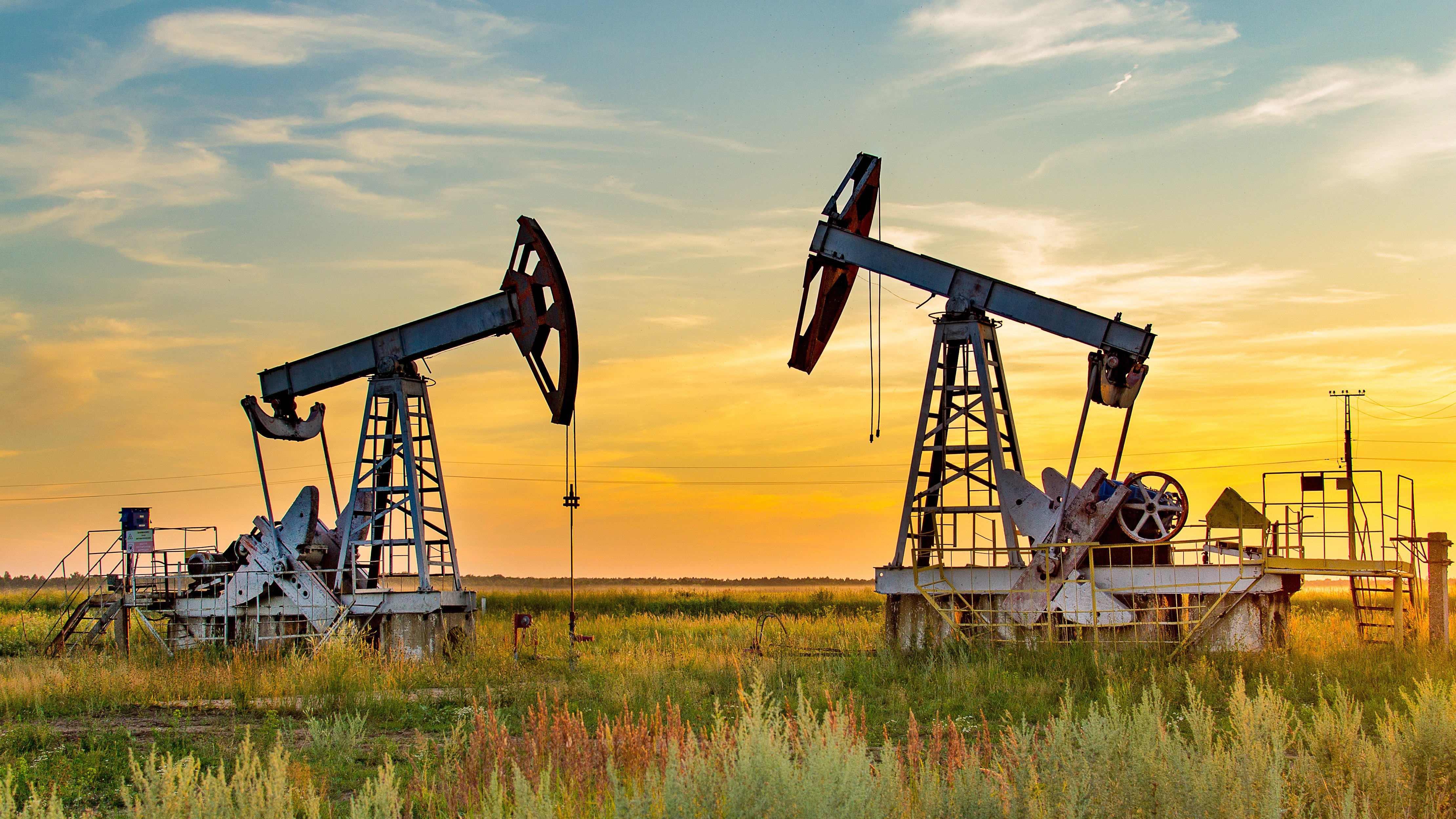
A view of a working oil and gas onshore oilfield with a closeup of two pumpjacks at dusk.
Oil and Gas
    • Gas Processing
    • Gas Processing
    • Liquefied Natural Gas
    • Liquefied Natural Gas
    • Offshore
    • Offshore
    • Onshore
    • Onshore
    • Pipeline and Transportation Automation
    • Pipeline and Transportation Automation
    • Refining and Petrochemical
    • Refining and Petrochemical
  • Sustainability
  • Offshore
  • Onshore
  • Pipeline and Transportation Automation
  • Refining and Petrochemical

Market pressures are driving oil and gas operators to apply existing and emerging technologies to improve operational excellence. These gains come from intelligent instruments and equipment, combined with remote monitoring and advanced analytics. With a broad technology portfolio and onshore digital solutions, Rockwell Automation supports your journey toward full field optimization and the operational and safety benefits it delivers.

Our global team of industry specialists helps you achieve standardized system designs that support safer, more efficient production. Experience includes:

  • Lift optimization
  • Well automation
  • Production management
  • Operations management
  • Power management
  • Water management
  • Process safety
  • Fiscal and mass balance
Top 10 Recommendations for Oilfield Modernization
hand holding oil drop with electrical circuits surrounding it
Ebook
Top 10 Recommendations for Oilfield Modernization

Read the top technologies and strategies to keep your production optimized and connected through data.

Read Now

Improve Operational Efficiency with Digital Automation

The oil and gas industry has experienced extreme volatility in the last few years: from oversupply and low prices to limited financial resources, and, more recently, the challenges of managing operations in person. Nevertheless, your company must continue to turn a profit and act sustainably. And to help, the industry has recognized the importance of digital technologies to transform the way it operates. Many forms of technology in the IIoT space are providing opportunities for end users to optimize their assets and reduce their costs while managing the rapidly changing workforce dynamic.

Launch the Interactive

Drilling Rig Automation

Improve Safety, Reliability, and Efficiency

Whether exploring, developing new fields, or maintaining production levels, drilling is at the center of oil and gas operations. Efficiency and safety of drilling operations is paramount, which helps explain the focus on them today given current market conditions. Our drilling rig automation systems help companies improve accuracy, reduce cost and increase uptime while maintaining safety.

We offer a wide range of proven, robust drilling and production solutions, from our Integrated Architecture system to our Intelligent Motor Control, that have been used globally in drilling rig automation, including the following applications:

  • Drilling operations controls
  • Mud pumps and drawworks systems
  • Integrated data gathering

Integrated Control and Measurement Solution

Simplify Automation of Your Multi-well Pads with a Single Controller

Your multi-well pads likely have several RTUs and many types of hardware that create integration, networking, and security challenges. A modular and scalable, single-control platform links everything together. That way you only have to manage one system for oil and gas measurement and control.

You want to minimize the need for multiple RTUs that support multiple well pads. When you have many different systems, brands, and vendors, it can complicate your operations. Add in another layer of complication if you run on legacy systems. One platform can offer a modular and scalable design to allow you to continue to add well pads without additional RTUs. This architecture allows for improved adaptability, enhanced data integrity, and reduced installation time and cost. In other words, you work smarter and more efficiently.

Oil and Gas Flow-Control Module Profile
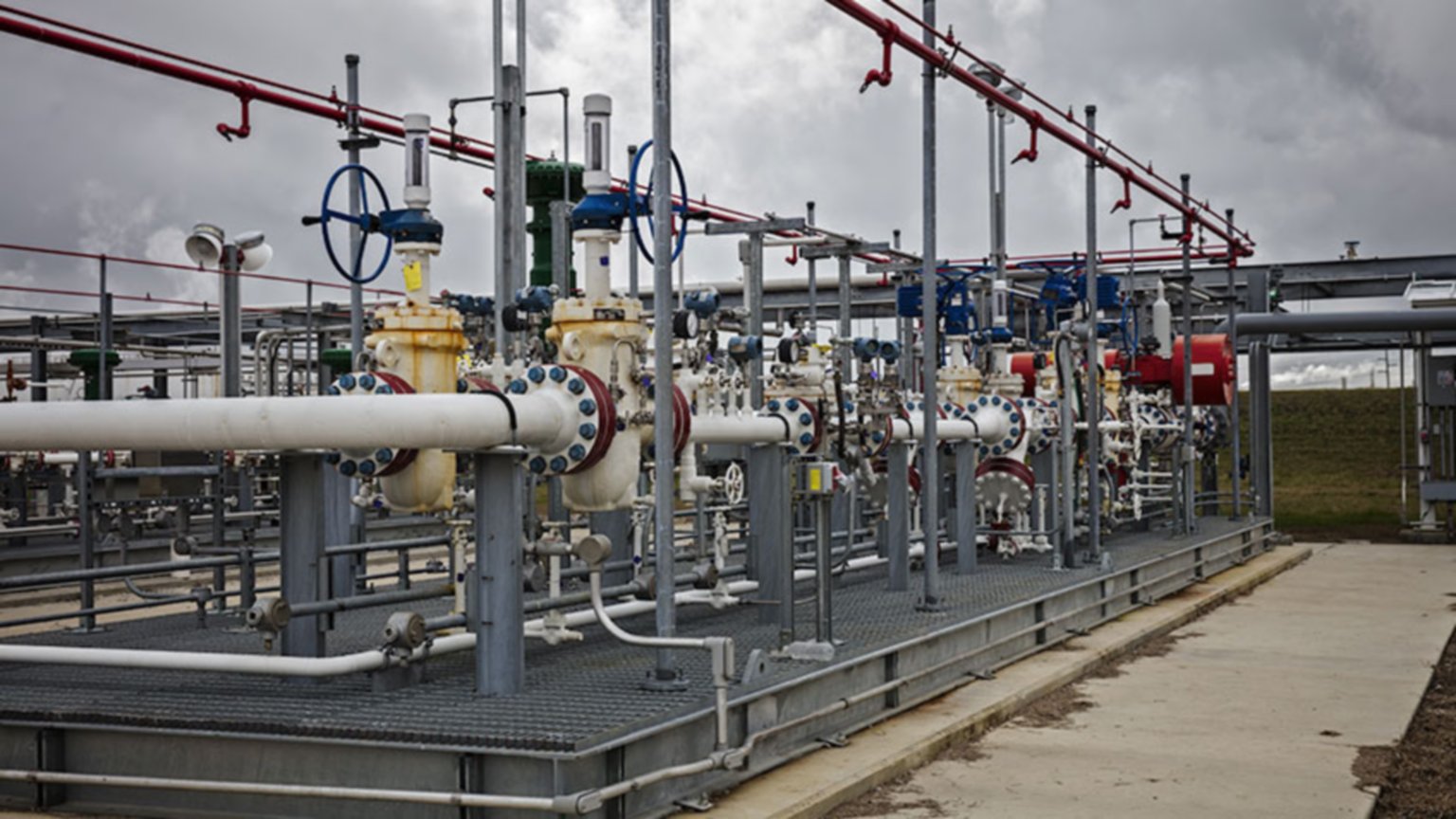
Pipeline skid for a measuring station or refinery on an overcast day.
Brochure
Oil and Gas Flow-Control Module Profile

In-chassis oil and gas flow computer reduces cost and complexity of well pad automation systems.

Download Now

Integrated Architecture System
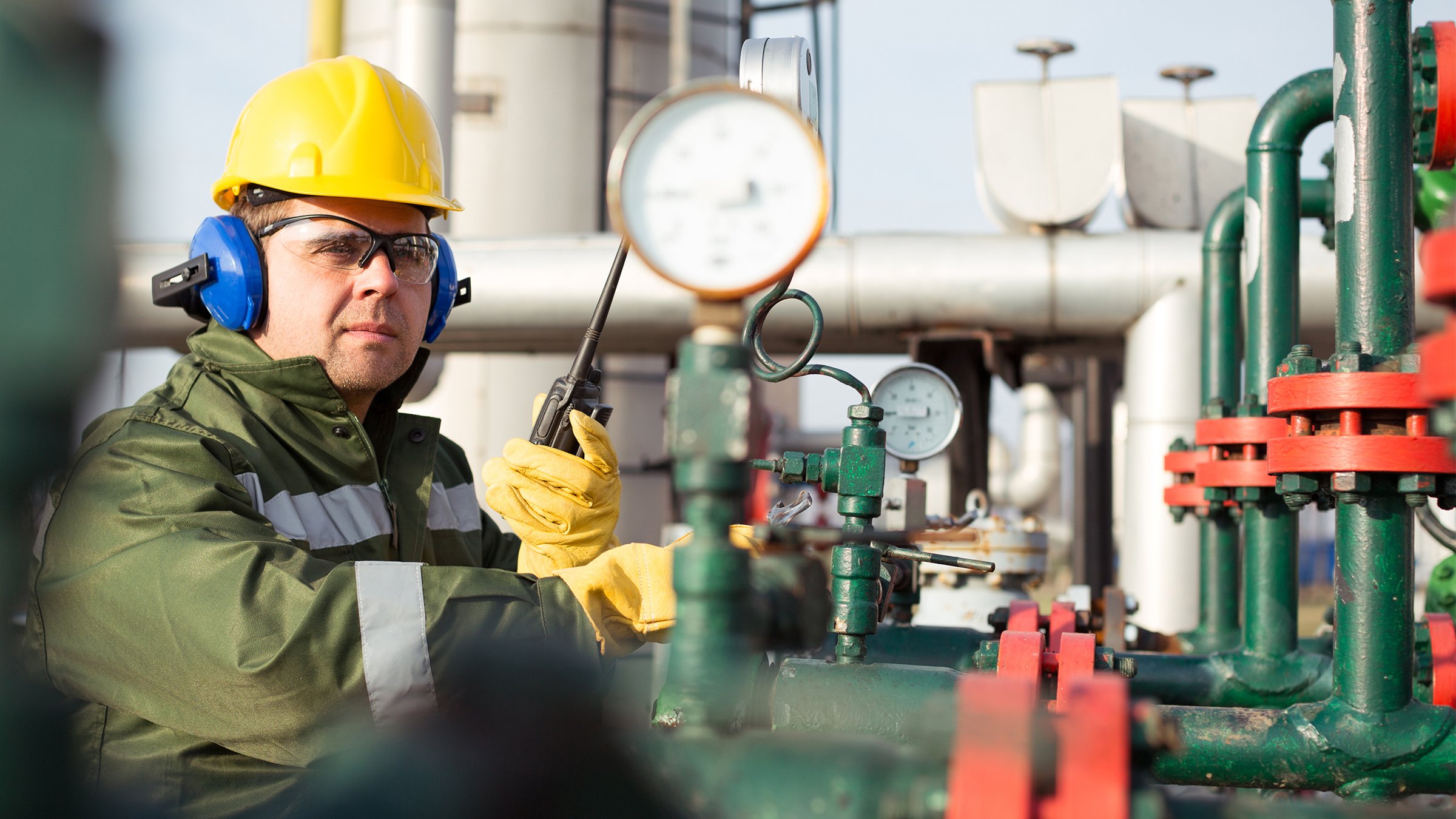
Oil and gas worker with walkie talkie on oilfield near piping
Capability
Capability
Integrated Architecture System
Unified industrial automation control system with scalable platform, secure connectivity, and real-time data for improved efficiency and lower costs.
Explore Our Capabilities

One Infrastructure for Information and Control

The integration of control and information across the enterprise enables you to optimize your oil and gas operations. By connecting a production site, multiple sites or multiple plants with your people, you can realize optimal visibility. We deliver the foundation of this idea through our Integrated Architecture® system, which provides multiple automation disciplines in one plant-wide infrastructure to help increase efficiency and productivity across your operations.

At the heart of the Integrated Architecture® system is the Logix control platform, which incorporates process, drives and industrial safety control options with scalability and performance to match your needs. This is complemented by the Studio 5000 Automation Engineering & Design Environment®, which combines design and engineering applications into one framework. This combination can help you increase your automation productivity, reduce your costs during the lifecycle of a project, and reduce your total cost of ownership.


Maintain Safety in Hazardous Environments

Hazardous Location Products that Stand up to the Test

The oil and gas industry is well known for the remote and inhospitable locations in which its production and processing operations can be found. Much of the electrical equipment must operate in environments that contain explosive or flammable gases and material. This type of location requires special design considerations to maintain safe operations. What’s not well known is the number of products we provide that are rated and certified to help you cope with hazardous locations.

Whether your need is to have electrical devices operating in Class 1, Division 1 or 2, or zone 2 classified areas, we have a range of Allen-Bradley industrial control products that deliver proven predictable performance. Products that perform in hazardous locations include switches, operators, sensors, combination starters and safety modules.

Learn More About Our Industrial Control Products

What is a Digital Oilfield?

A digital oilfield is a technology-driven approach to oil and gas exploration, production, and operations that leverages real-time data, automation, and advanced analytics to optimize performance and decision-making. It integrates sensors, control systems, and communication networks across oilfield operations to monitor equipment, environmental conditions, and production metrics.

By digitizing operations, companies can remotely manage assets, predict equipment failures, reduce downtime, and enhance safety. The digital oilfield also supports data visualization and simulation tools that help operators make faster, more informed decisions. Ultimately, it transforms traditional oilfield management into a smarter, more efficient, and cost-effective process.

Benefits of the Digital Oilfield

The digital oilfield offers a range of powerful advantages that transform traditional oil and gas operations into smarter, more efficient systems. Key benefits include:

  • Increased operational efficiency: Real-time data and automation streamline processes, reducing delays and boosting productivity.
  • Enhanced decision-making: Advanced analytics and predictive modeling provide deeper insights for faster, more accurate decisions.
  • Reduced downtime: Remote monitoring and predictive maintenance help identify issues before they lead to equipment failure.
  • Improved safety: Automated systems and real-time alerts reduce human exposure to hazardous environments and operational risks.
  • Cost savings: Optimized resource use and reduced maintenance needs lead to significant reductions in operational expenses.
  • Environmental compliance: Continuous monitoring supports better control over emissions, leaks, and waste, aiding in regulatory compliance.

By combining technology and data-driven intelligence, digital oilfields empower energy companies to operate more safely, sustainably, and profitably.


Digital Oilfield Drilling and Production Solutions

Digital oilfields rely on a combination of advanced technologies and interconnected systems to optimize operations across the oil and gas value chain. Examples of key components include:

  • Supervisory control and data acquisition (SCADA) systems
  • Programmable logic controllers (PLCs)
  • IoT sensors
  • Digital twins
  • Remote operations centers (ROCs)

Onshore Oil and Gas Exploration and Production FAQs

Open All
Close All
What ROI can oilfield operators expect from automation investments?

Automation helps operators increase production from existing assets while reducing operating costs and unplanned downtime. By automating well pad operations, optimizing artificial lift performance and improving production surveillance, operators can maximize production without significant capital investment.

Operators also benefit from greater operational visibility and faster decision-making across geographically dispersed assets.

For example, EP Petroecuador implemented an automatic control system that reduced downtime and tripled loading capability, demonstrating how automation can deliver measurable operational and commercial benefits.

How can oilfield operators improve production without drilling new wells?

Many operators focus on maximizing performance from existing infrastructure through automation, connected operations and advanced analytics. We help oilfield operators use these technologies to maximize asset and well integrity, increase field recovery and improve oil throughput. Our research shows that connected operations can also help operators maximize throughput while maintaining more consistent production performance. By integrating wellhead automation, SCADA systems and centralized production monitoring, operators can continuously optimize production parameters across wells, pads and gathering systems to maximize field throughput and recovery.

How can automation help reduce energy consumption across upstream oil and gas operations?

Automation technologies help operators align process and power systems through connected sensors, real-time monitoring and advanced control strategies.

Artificial lift systems, compressors and field infrastructure often represent the largest energy consumers in onshore production operations. Automation platforms continuously monitor production rates, equipment loading and power consumption, enabling operators to optimize energy use without sacrificing production.

Integrated process and power control solutions can dynamically optimize pump speeds, compressor performance and field power distribution, reducing energy waste while supporting emissions-reduction initiatives and ESG objectives.

How are oilfield operators using AI and advanced analytics to optimize production?

Oilfield operators are increasingly using advanced analytics and connected operational data to improve production performance across wells, pads and field operations. By combining real-time production data with automated monitoring and performance insights, operators can identify inefficiencies, optimise operating conditions and make faster decisions that support more consistent production outcomes.

Connected operations help operators maximize throughput, reduce downtime and maintain stable production performance across dynamic operating environments. We bring expertise in automation, analytics and connected technologies to help oilfield operators improve asset and well integrity, increase field recovery and optimize oil throughput, helping them generate greater value from existing production assets.

Common applications include:

  • Artificial lift optimization
  • Well performance monitoring
  • Production forecasting
  • Equipment failure prediction
  • Predictive maintenance
  • Automated production surveillance

These capabilities help operators increase uptime, reduce deferred production and improve field-wide productivity.

How can operators modernize oilfield operations while controlling costs and risk?

Modernization programs are often delivered through phased deployment strategies that allow operators to improve infrastructure while maintaining operational continuity. A major U.S. gas terminal successfully transformed from an import facility into a high-capacity export operation while maintaining continuous operations throughout modernization. The project increased export capacity by 2.5 Mtpa and established a scalable foundation for future expansion.

How does automation improve asset integrity and equipment reliability?

Automation improves asset integrity by providing continuous visibility into equipment health, operating conditions and production performance. We use automation and connected technologies to help oilfield operators maximize asset and well integrity, improve equipment reliability and maintain consistent production performance.

How do connected operations reduce downtime?

Connected operations enable real-time monitoring of assets, equipment and production systems, helping operators identify and respond to issues more quickly. We use connected operations and automation technologies to help oilfield operators maximize throughput, reduce downtime and maintain consistent production performance in dynamic operating environments.

How do remote monitoring technologies support onshore production operations?

Remote monitoring technologies provide visibility into field operations across distributed assets, helping operators make informed decisions without requiring personnel to be physically present at every location. We help onshore operators improve visibility across geographically dispersed operations, with energy industry programs demonstrating visibility across 30+ facilities. This connected approach supports stronger coordination, improved operational awareness and more effective management of distributed production assets.

How does Rockwell Automation support operators throughout the production lifecycle?

Rockwell Automation supports operators throughout the production lifecycle, from project design and implementation through modernization, optimization and ongoing operational improvement. Our energy industry programs have demonstrated outcomes including visibility across 30+ facilities and zero downtime during modernization projects, helping operators improve operational resilience while supporting long-term business objectives.

How can automation improve field recovery and oil throughput?

Automation helps operators optimize production performance through better visibility, improved control strategies and more informed operational decision-making. We use automation and connected technologies to help oilfield operators maximize asset and well integrity, improve field recovery and increase oil throughput. These capabilities help operators generate greater value from existing production assets while maintaining consistent operational performance.

Ready to talk to a Rockwell Automation consultant?

We offer industry expertise to help design, implement and support your automation investment.

Contact Us

Recommended for You

Loading
Loading
Oil & Gas Engineering Product of the Year
CompactLogix™ 5380 Process controller, catalog 5069-L340ERP, with front view on a white background. The 2021 Oil & Gas Engineering Product of the Year Gold Award logo is positioned at the top right corner of the controller.
Hardware
Oil & Gas Engineering Product of the Year

CompactLogix™ 5380 Process controller has been voted the 2021 Oil & Gas Engineering Product of the Year, Control Systems Gold Award winner. 

Discover Why

Others also viewed

Loading
Loading
Loading
Loading

Based on your activity

Loading
Loading
Loading
Loading
  1. Chevron LeftChevron Left Rockwell Automation Home
  2. Chevron LeftChevron Left Industries
  3. Chevron LeftChevron Left Oil and Gas Automation Software Solutions
  4. Chevron LeftChevron Left Onshore Oil and Gas Exploration and Production
Please update your cookie preferences to continue.
This feature requires cookies to enhance your experience. Please update your preferences to allow for these cookies:
  • Social Media Cookies
  • Functional Cookies
  • Performance Cookies
  • Marketing Cookies
  • All Cookies
You can update your preferences at any time. For more information please see our {0} Privacy Policy
CloseClose