Loading

EV Battery Manufacturing Automation

Maximizing EV Battery Production in the Competitive Electric Vehicle Industry
Launch the Interactive Battery Plant Book a consultation
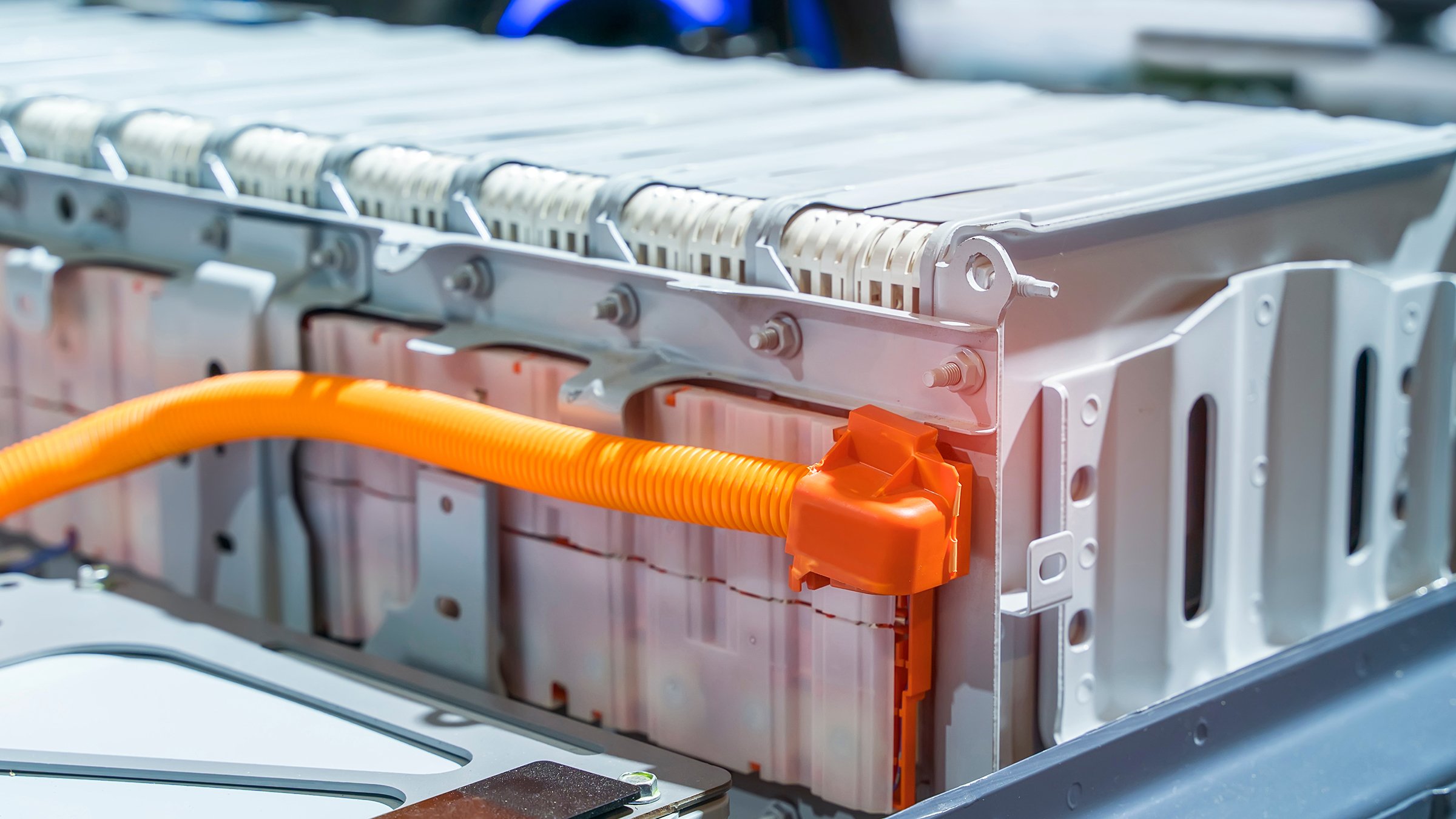
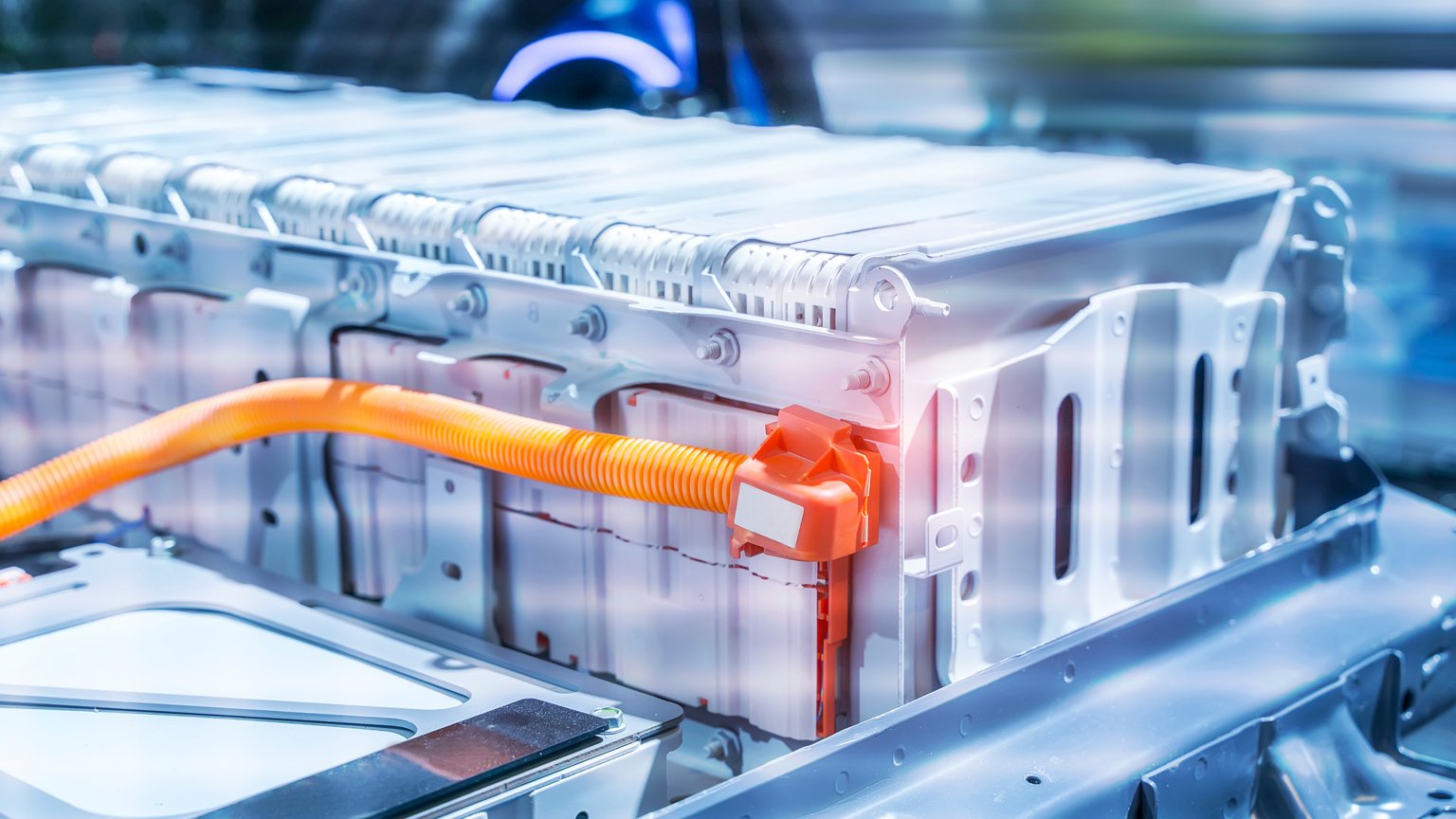
close up of electric car lithium battery pack and power connections
Automotive & Tire
  • Electric Vehicle Production
    • Overview
    • Tire Quality
    • Tire Quality
  • Battery Production
  • Tier 1
    • Blogs
    • Blogs
    • Case Studies
    • Case Studies
  • Sustainability
    • RapidLaunch
    • RapidLaunch

Boost EV Battery Manufacturing

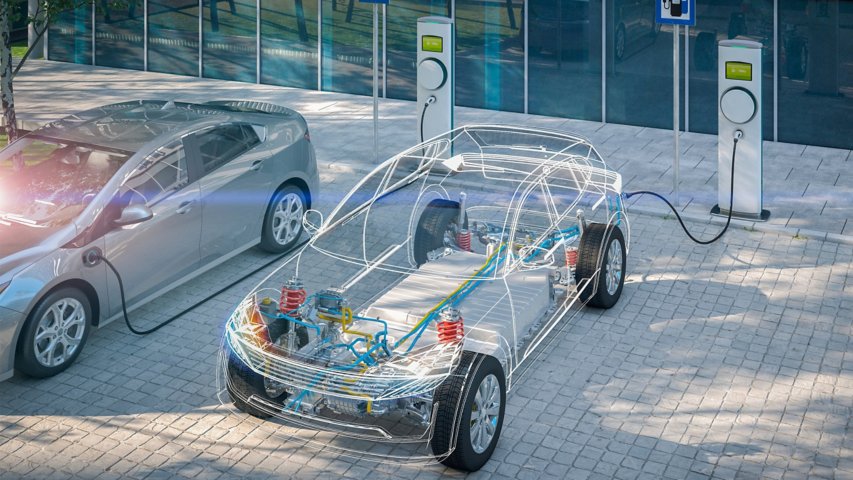
While still small compared to the ICE market, the market for Electric Vehicles is accelerating at an increasing rate, with all Automotive Manufacturers now either having or developing Electric Vehicle solutions – at last count, almost 500 different EVs. EV battery manufacturing investments must be managed to allow maximum flexibility for change and maximum return on investment. This, in turn, is driving demand for new Gigafactories, which is no easy undertaking. We can be your EV battery manufacturing partner and help create a Connected Enterprise that harnesses the value of today’s information technology innovations in manufacturing and industrial operations.

Powering your Electric Vehicle Battery Production
close up of lectric car lithium battery pack and power connections
Brochure
Powering your Electric Vehicle Battery Production

Create end-to-end optimization in your plants, meet regional regulations and accelerate your time to market with smart manufacturing technologies and solutions.

Download Now
Video
Smart EV Battery Manufacturing Strategies

Stay ahead of the EV revolution with a smart battery production strategy. Create a sustainable world with cutting-edge tech and expertise.

What is EV Battery Manufacturing Automation?

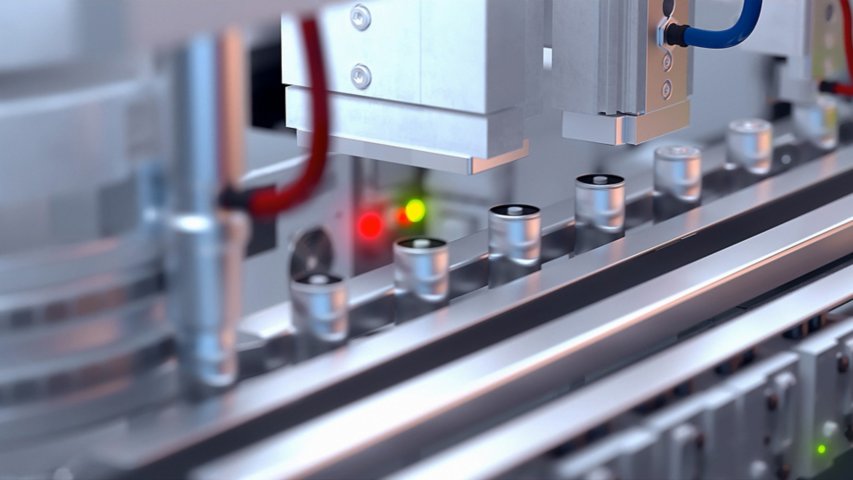
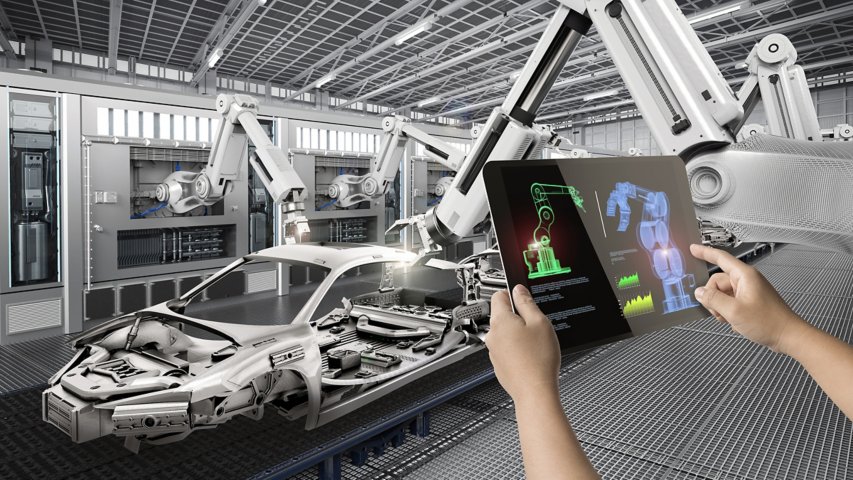
EV battery manufacturing automation refers to the use of advanced machinery, robotics, and digital technologies to streamline and enhance the process of electric vehicle battery production. This automation is essential for meeting the growing demand for battery production for electric cars, enabling manufacturers to increase output, improve quality control, and reduce production costs.

Automated systems handle various stages of the process, including electrode fabrication, cell assembly, module and pack formation, and testing. By minimizing human error and ensuring consistency, automation supports the development of high-performance and reliable electric vehicle battery solutions. It also facilitates scalable, efficient manufacturing environments that are critical to the future of electric mobility.


What are the Benefits of Automation in EV Battery Manufacturing?

Incorporating automation technologies into the EV battery production process comes with a wide range of benefits. Five key benefits of automation in EV battery manufacturing are:

  • Increased production speed: Automation enables faster assembly and processing of battery cells and packs, helping meet the rising demand for electric vehicle battery production.
  • Enhanced precision and quality control: Automated systems ensure consistent handling, assembly, and testing, reducing defects and improving the reliability of battery production for electric cars.
  • Cost efficiency: Automation enables significant long-term savings by reducing labor costs, material waste, and operational downtime.
  • Improved safety: Handling battery components, especially lithium-based materials, can be hazardous; automation reduces human exposure and improves workplace safety.
  • Scalability and flexibility: Automated processes can be scaled up quickly and adapted to different battery chemistries or designs, supporting innovation in electric vehicle battery solutions.

Power High-Volume EV Battery Production

Meet Demand on a Giga Scale

We’ll need a lot of batteries—40 million new EV batteries a year, to be exact.

Nothing less than gigafactories can produce the billions of watts of energy needed to power the world’s electric vehicles. We’re projected to need 100 new gigafactories over the next ten years to keep up. This presents a unique opportunity to design and build digitalized, smart manufacturing facilities that deliver volumes and efficiencies never seen.

We can help you push the boundaries of what’s possible. Sheer size is not the only principle. That’s why we look at:

  • An information strategy, designed into the factory from the start
  • Analytics that turn data into insights, predicting outcomes and driving decisions
  • Quality-focused supply chain connectivity, from the material source to the showroom
  • Built-in flexibility so you’re ready for future innovations, technologies, and techniques
Building a Battery Gigafactory? Start with MES.
Blog
Blog
Building a Battery Gigafactory? Start with MES.
With a holistic MES, EV battery producers can speed time-to-market and optimize end-to-end performance.
Read Now
Drive Your Gigafactory Launch With a Digital Twin
Blog
Blog
Drive Your Gigafactory Launch With a Digital Twin
Emulation and digital twin software can drive collaboration for EV and Battery makers with less time, money, and risk.
Read Now
Supercharging the Future of Battery Production
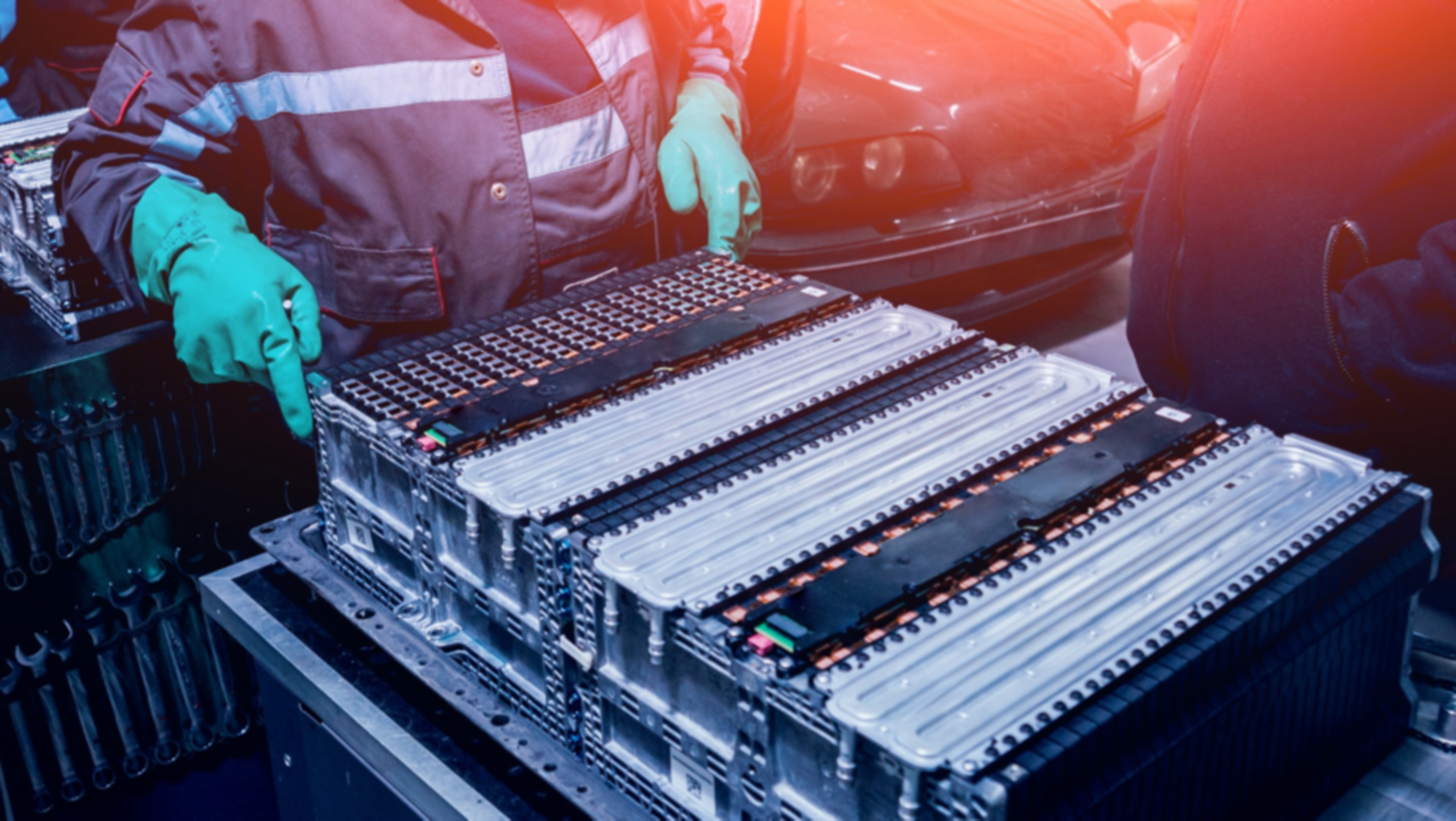
Disassembling the battery of an electric vehicle engine
Brochure
Supercharging the Future of Battery Production

As you build a giga-scale production plant to meet demand, you need a smart and scalable production strategy.

Download Now
See how more innovative production drives better battery production

Step inside a virtual plant and explore how connected systems help you move faster, waste less, and build with confidence.

Launch the interactive battery plant

Build Smart EV Battery Manufacturing Facilities

Battery manufacturers are designing and building digitalized, smart manufacturing facilities that deliver never-before realized volume. FactoryTalk® InnovationSuite can help you achieve operational efficiencies in anode/cathode mixing, respond to predictive maintenance actions in coating and drying, monitor formation process genealogy, and review throughput improvements using independent cart technology. Learn how to use real-time information and analytics to keep pace with the rapidly growing demand for EV battery production.

Video
Build a Smart Battery Manufacturing Facility

Design and build digitalized, smart manufacturing facilities that deliver never-before realized volume. Achieve operational efficiencies and throughput improvements using independent cart technology.

Power up Production with ICT Solutions
Blog
Blog
Power up Production with ICT Solutions
To meet growing demand, EV and Battery manufacturers must innovate their manufacturing process with the adoption of independent cart technology (ICT).
Read Now

Revolutionizing EV Battery Manufacturing with Digital Battery Passport

At Rockwell Automation, we're committed to driving innovation in the EV battery manufacturing industry.

Our latest initiative is a collaboration with Circulor, a leader in Digital Battery Passport technology. Together, we are combining Circulor’s Digital Battery Passport technology with Rockwell Automation's MES software and professional services expertise. This approach enhances transparency, sustainability, and efficiency in battery production. It aligns with global regulatory requirements and supports the industry's move towards responsible and circular practices. 

What is a Digital Battery Passport? It is an electronic record detailing the raw materials, components, and recycled content of an EV battery. This record can be submitted to EU regulatory authorities, customs, and customers, ensuring compliance with sustainability, recycling, and carbon footprint standards. The EU Battery Regulation mandates that by February 2027, all batteries entering the European market must have a digital battery passport. This regulation ensures sustainable, responsible, and circular sourcing, driving Europe towards a more sustainable and secure battery economy. It also sets a global benchmark for consumer transparency.  

Our Digital Battery Passport solutions set new standards for transparency, sustainability, and efficiency in battery production. These solutions not only comply with global regulatory requirements but also promote responsible and circular practices within the industry. 

In collaboration with Circulor, we help customers meet regulatory requirements, including embedded carbon footprint, responsible sourcing, recycled content, and state of health performance. 

Stay ahead of the curve with Rockwell Automation's innovative solutions and discover how our collaboration can help you meet your sustainability goals and regulatory obligations.
How are EV Batteries Made?

EV batteries are manufactured through a highly controlled, multi-step process that converts raw materials into complete battery packs capable of powering electric vehicles safely and efficiently.

1. Electrode Manufacturing

The process begins with the production of battery electrodes — the cathode and anode. Active materials are mixed with binders and conductive additives to create a slurry. This mixture is then coated onto thin metal foils, dried in industrial ovens, and compressed to achieve the required thickness and density. Precision during this stage is critical because even small inconsistencies can affect battery performance and lifespan.

2. Electrode Cutting and Preparation

Once the coated electrodes are dried and compressed, they are cut into specific sizes and shapes for the battery cell design. The electrodes are carefully inspected to ensure uniformity and to remove any defects or contaminants before assembly begins.

3. Cell Assembly

During cell assembly, the cathode and anode layers are combined with separators that prevent electrical short circuits while still allowing ion flow. Depending on the battery design, the components are either stacked or wound together into cylindrical, prismatic, or pouch cell formats. The assembled materials are then inserted into a protective casing to create individual battery cells.

4. Electrolyte Filling and Sealing

After the cells are assembled, they are filled with electrolyte, a chemical solution that enables lithium ions to move between the electrodes during charging and discharging. The cells are then sealed in a controlled environment to prevent moisture or contamination from affecting battery quality and safety.

5. Formation and Aging

The sealed cells undergo a formation process, where they are charged and discharged multiple times to stabilize their chemistry and activate battery performance. Cells are then aged and tested to evaluate capacity, voltage consistency, and overall quality before moving to the next stage of production.

6. Module Assembly

Qualified battery cells are grouped together into modules. These modules include structural supports, electrical connections, and monitoring components that help manage battery performance and reliability.

7. Battery Pack Integration

The modules are assembled into a complete EV battery pack. At this stage, manufacturers integrate cooling systems, wiring, sensors, and battery management systems (BMS) that regulate temperature, monitor performance, and protect the battery during operation.

8. Final Testing and Quality Control

Before installation into an electric vehicle, battery packs undergo extensive testing for safety, durability, thermal performance, and charging efficiency. Manufacturers maintain strict cleanliness, precision, and quality control standards throughout the entire production process to ensure EV batteries deliver long-term performance, reliability, and safety.

EV Battery Automation FAQs

What stages of production can be automated in EV battery manufacturing?

Nearly every stage of EV battery production can be automated, including material handling, electrode manufacturing, cell assembly, testing, module assembly, and battery pack integration. Automation helps improve precision, reduce errors, and increase production throughput across the manufacturing process.

What technologies are used in EV battery manufacturing automation?

Common technologies include industrial robotics, machine vision systems, PLCs, manufacturing execution systems (MES), industrial IoT devices, and AI-driven analytics. Integrated automation platforms from Rockwell Automation help connect these technologies to improve visibility and performance across production operations.

How does automation support high-volume EV battery production?

Automation enables EV battery manufacturers to increase production capacity while maintaining consistent quality and reducing downtime. Connected systems also provide real-time production insights that help optimize performance and support large-scale manufacturing operations.

What challenges does EV battery manufacturing solve?

Automation helps manufacturers reduce defects, improve safety, minimize material waste, and maintain consistent production quality. It also supports traceability, predictive maintenance, and operational efficiency in highly complex battery manufacturing environments.

Can EV battery manufacturing automation be customized?

Yes. EV battery automation solutions can be customized based on battery type, production goals, facility layout, and scalability requirements. Flexible solutions from Rockwell Automation can support both new and existing battery manufacturing operations.

Why is automation critical for scaling EV battery production?

Automation is essential for scaling EV battery production because it improves speed, consistency, and operational efficiency while helping control production costs. As EV demand grows, automated systems help manufacturers expand output without compromising quality or safety.

Ready to talk to a Rockwell Automation consultant?

We offer industry expertise to help design, implement and support your automation investment.

Contact Us

Others also viewed

Loading
Loading
Loading
Loading

Based on your activity

Loading
Loading
Loading
Loading
  1. Chevron LeftChevron Left Rockwell Automation Home
  2. Chevron LeftChevron Left Industries
  3. Chevron LeftChevron Left Automotive Automation
  4. Chevron LeftChevron Left EV Battery Automation
Please update your cookie preferences to continue.
This feature requires cookies to enhance your experience. Please update your preferences to allow for these cookies:
  • Social Media Cookies
  • Functional Cookies
  • Performance Cookies
  • Marketing Cookies
  • All Cookies
You can update your preferences at any time. For more information please see our {0} Privacy Policy
CloseClose