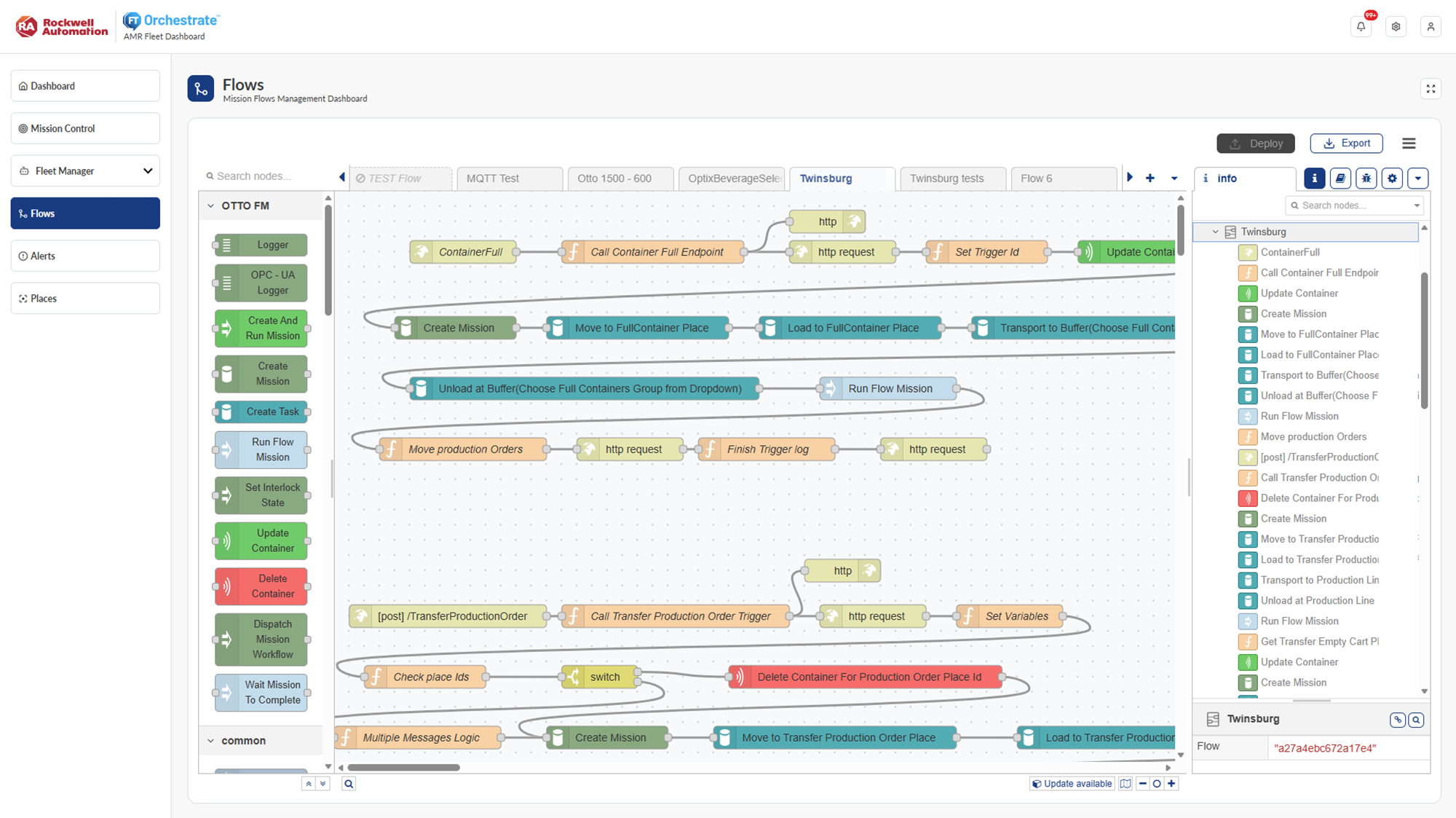
Manufacturers are under increasing pressure to improve productivity, respond to changing demand, and do more with existing resources. As a result, many are investing in technologies such as autonomous mobile robots (AMRs), manufacturing execution systems (MES), and advanced analytics.
Yet for most manufacturers, adding more technology doesn't automatically translate into greater efficiency. The next stage of digital transformation is focused on enabling those systems to work together. As manufacturers move toward end-to-end autonomous operations, the ability to coordinate information, materials, and workflows across the enterprise is becoming a critical competitive advantage.
The coordination gap in modern manufacturing
Manufacturers have invested heavily in automation, but many facilities still operate with disconnected systems. Enterprise platforms manage production schedules and inventory, while operational technologies execute work on the plant floor. These IT and OT systems often function as islands of automation that create delays and struggle to respond to changing production needs.
In fact, while 86% of manufacturers say IT/OT integration is critical, only 23% have progressed beyond basic convergence. At the same time, only 30% of manufacturers can deliver real-time data to frontline workers, limiting visibility and slowing decision-making when conditions change.