An integrated approach gives processors what fragmented systems can’t: a consistent way to run the plant, manage variability, and make decisions with confidence. By bringing control, power, safety, visualization, and plant data together into one cohesive system, this approach strengthens not only how individual assets perform, but how the entire plant operates, adapts, and responds to variability.
In contrast to a patchwork of separate tools, vendors, and methodologies, a connected, plant-wide architecture helps establish consistent control standards, shared logic, and common interfaces across lines and facilities. By bringing systems into a common framework, processors reduce variability, simplify operator workflows, and create a more predictable operating environment.
Standardized systems make it easier to onboard new operators and apply improvements across lines without time-consuming reconfiguration. Familiar interfaces and consistent workflows reduce the learning curve, limit operator-to-operator variation, and make daily tasks more repeatable. At the same time, synchronized, contextualized data from the control layer gives everyone, from the control room to the maintenance floor, a common operational reference point, helping teams coordinate actions more smoothly during shift changes, product transitions, and routine adjustments.
Including embedded intelligence, such as predictive diagnostics, advanced alarming, and integrated analytics, helps plants act before small issues escalate into downtime and maintain stable operation — even under variable conditions. For example, capabilities like unified alarming give operators clearer prioritization, while analytics and diagnostics highlight trends before they become issues. Together, these capabilities transition plants from reactive problem‑solving to intelligence‑driven performance, creating a more reliable and resilient operating environment.
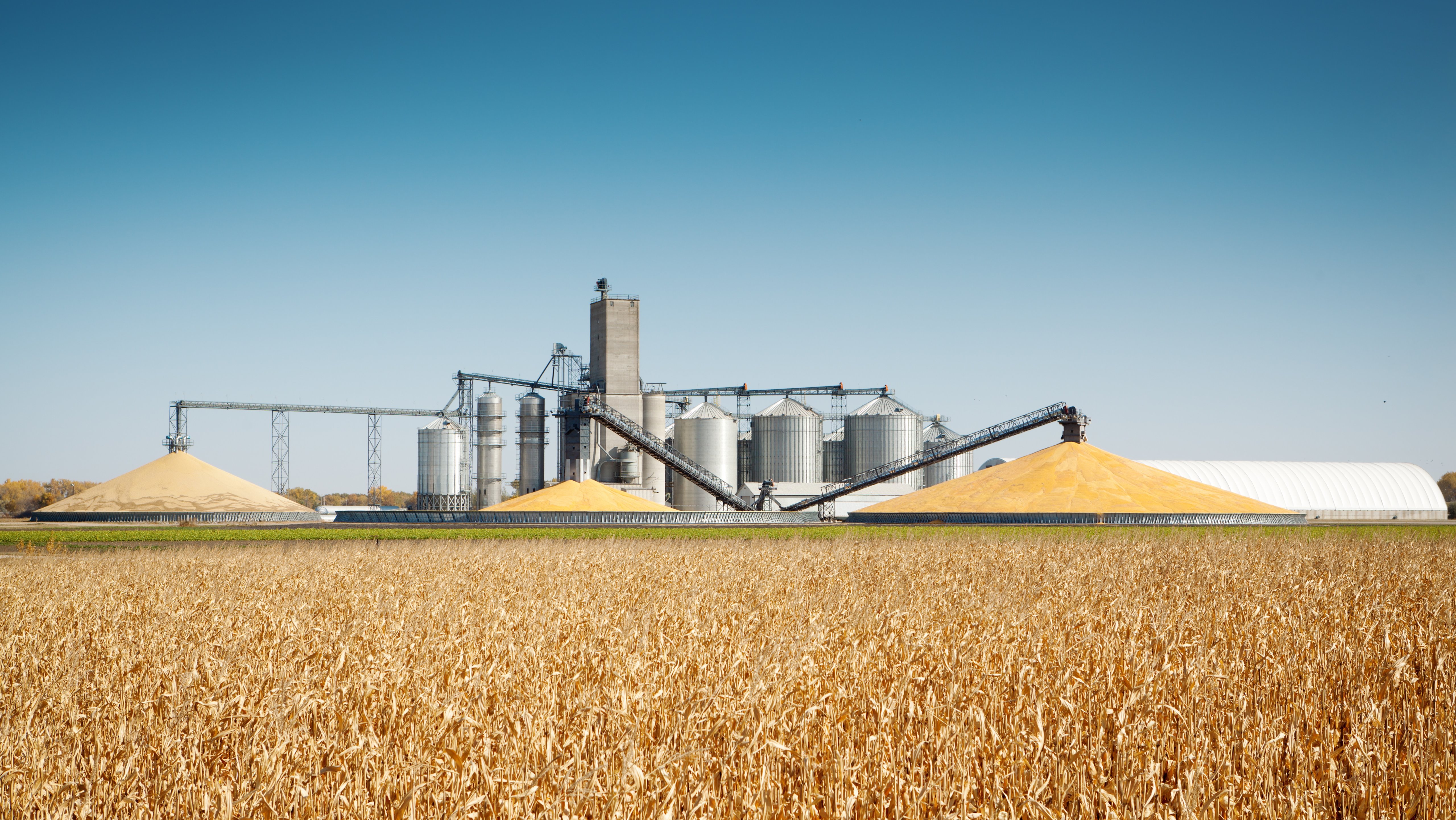
Integrated Architecture capabilities are particularly effective in energy-intensive agricultural processing activities, like grain handling and ingredient processing, where solutions like variable frequency drives can be easily integrated to help optimize energy use and improve overall asset longevity. Similarly, implementing a single, unified system to manage a multi-step operation like corn processing helps coordinate and standardize production stages — from cleaning and dry milling to starch separation. This standardization drives lasting, meaningful outcomes in throughput, yield, and energy consumption.
The benefits aren’t only theoretical…
In one instance, DuPont moved toward an Integrated Architecture approach by replacing their end-of-life legacy DCS and PLC systems with the Rockwell Automation PlantPAx® DCS. This led to higher operational availability, more agile maintenance, better cost control, and a flexible platform for future needs. Similarly, Intelligent Refining unified and modernized its boiler operations with the PlantPAx® Process Automation System, improving boiler performance and monitoring, enabling automatic power matching, increasing reliability, and achieving fully integrated, plant-wide control for centralized production oversight.