Lithium is key to the adoption of sustainable energy systems, representing one of the main ingredients in electric vehicle and grid-scale batteries.
However, lithium production is highly concentrated, with almost 78% of supplies coming from just three countries in 2024. As nations such as the UK look to develop their own clean energy supply chains, they are seeking to find and exploit local sources of lithium.
Aiming to address this challenge is Cornish Lithium, a pioneering mineral exploration and development company looking to support the UK’s and transition to renewable energy by building a secure domestic supply of lithium for electric vehicles and power storage batteries.
Cornish Lithium plans to extract lithium from granite rock in a repurposed former china clay pit at Trelavour Downs in Cornwall, UK, with a goal of producing around 10,000 tonnes a year of battery-grade lithium hydroxide.
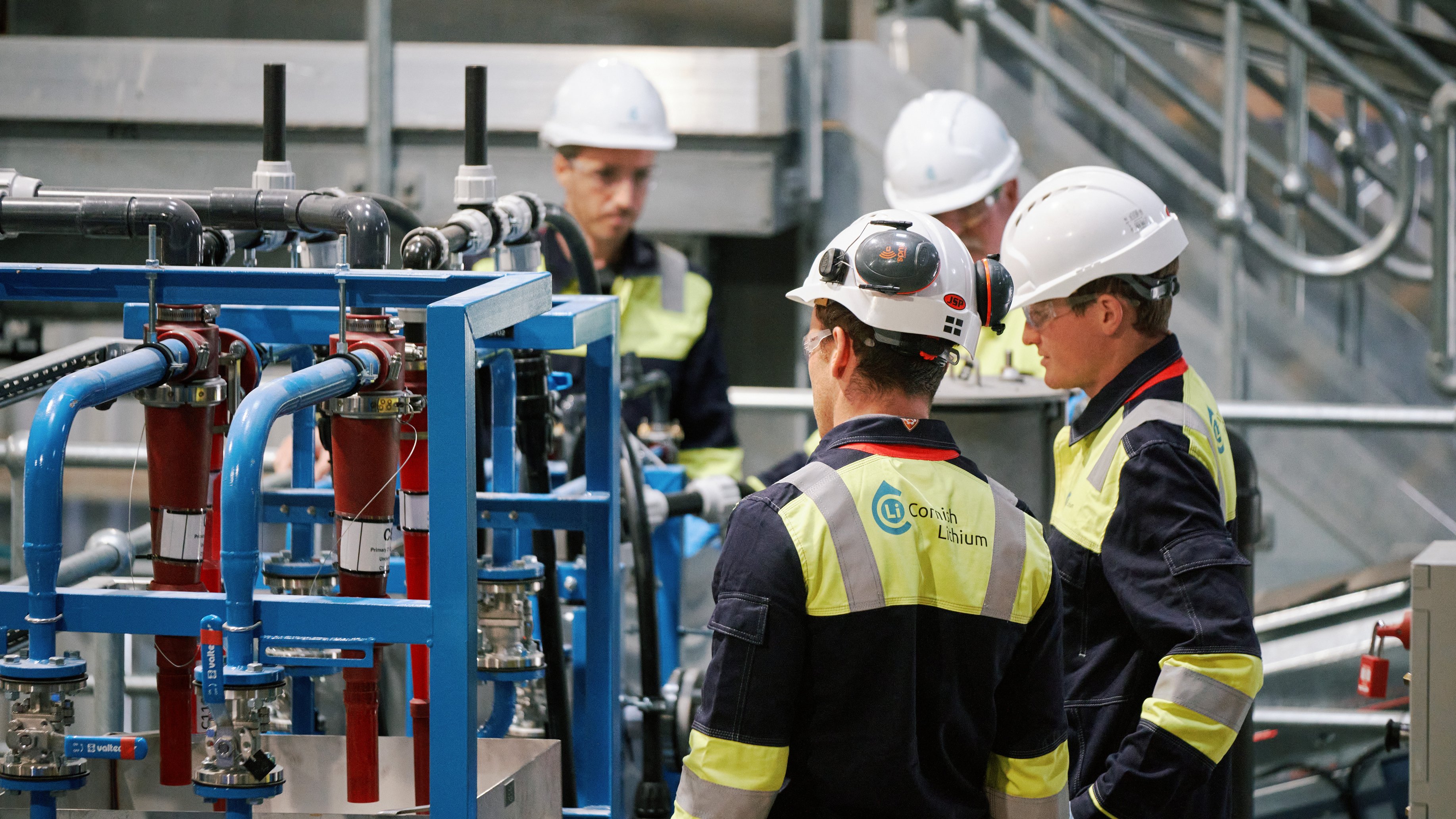
The company chose to adopt a novel processing technique to produce a refined, battery grade product on site in Cornwall. To do this, it was necessary to build an industrial-scale demonstration plant based on technology originally patented by Australian company Lepidico. Cornish Lithium has now acquired the patents and IP and rebranded it as Li-Stract, given that the process has potential to be used at other lithium deposits worldwide.
Unlike traditional processing, which requires high temperatures and pressures, the Lepidico process can extract lithium from a range of deposits at relatively low temperatures and atmospheric pressure. This could reduce process-related greenhouse gas emissions by around 25%.
For the demonstration plant to be a success, the company required a distributed control system that could be installed with little impact on operations, would require little maintenance and training, and scale easily to support industrial operations. This system would enable accurate monitoring of the system and allow feedback for improvements to be made.