Loading
Blog
Recent ActivityRecent Activity

NIS2, CRA, Machinery Regulation and the OEM

How these regulations are reshaping the OEM market—and why those who treat them as a core capability will pull out ahead

Share This:

LinkedInLinkedIn
XX
FacebookFacebook
PrintPrint
EmailEmail
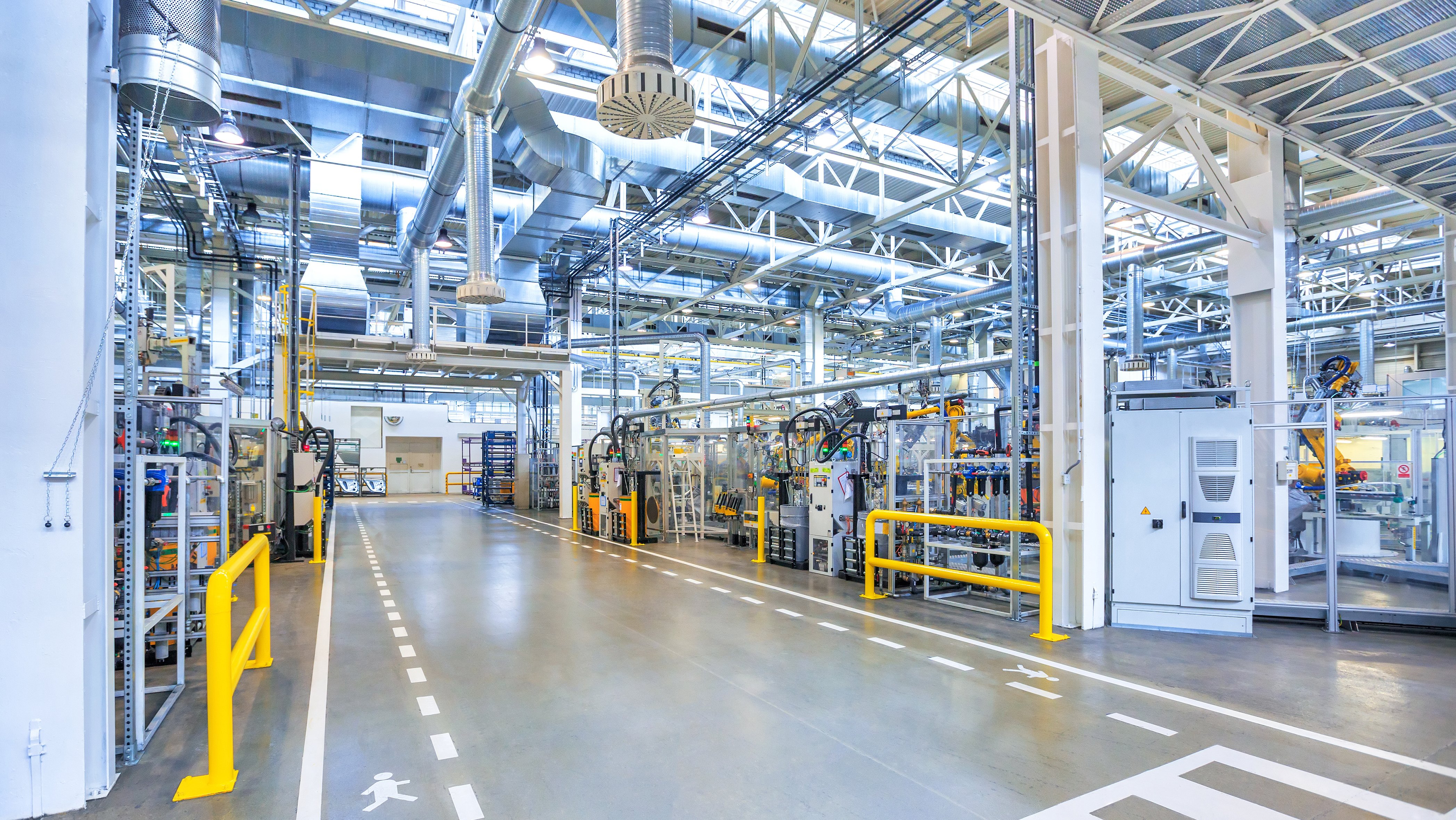
factory interior as industrial background

In our last blog, we made the case that OEMs can't afford to dismiss cybersecurity because compliance and regulations are changing fast. Not embracing that shift will affect you in the long run. Whether it's your reputation, financially or both.

Naturally, this begs the next question: Which compliance frameworks or regulations should OEMs embrace?

There are three you need to take note of: NIS2, the Cyber Resilience Act (CRA) and Machinery Regulation. Regardless of where you are in the world, there is a high probability that you will be affected by these regulations at some point and will need to comply.

The goal of this blog is to help you better understand these frameworks and walk you through:

  • What the NIS2, Cyber Resilience Act (CRA) and Machinery Regulation are in layman terms
  • How OEMs can get started

Two types of OEMs

Based on our experience, we're starting to see two distinct groups of OEMs emerge.

  • The aware OEMs: This group knows the regulations exist, but they’re waiting to see how the regulations play out and what legal makes of it.
  • The all-in OEMs: This group is embracing the regulations, creating a culture around it and figuring out how to build off these regulations for the future.
SecureOT Solutions for OEMs
Help OEMs prepare for CRA and Machinery Regulation requirements with SecureOT cybersecurity, compliance readiness and lifecycle risk services.
Learn More

NIS2, Cyber Resilience Act and Machinery Regulation in Practical Terms

There are three regulations worth understanding and it helps to see where they stack up.

Regulation name scope Who it applies to What it is
NIS2 Broadest Infrastructure operators listed as essential or important entities*:

Esssential: Energy, banking and health (highly critical)

Important: Waste management, chemicals and manufacturing

Baseline security expectations for the operators running essential infrastructure
Cyber Resilience Act Extends NIS2 logic to the supply chain Machine builders who help secure the facilities above Relevant to OEMs and emphasizes that the products going into these facilities need to have security by design within the product and by execution
Machinery Regulation Narrowest and most specific The physical equipment on the floor Focuses on machinery safety, including cybersecurity risks that could impact the safe operation of equipment

*Essential and important entities share the same core cybersecurity risk management controls and incident reporting timelines, but the way they’re regulated differs significantly.

NIS2 sets the expectation that essential facilities are secure. The CRA carries that expectation down to the things going into them. And the Machinery Regulation zeroes in on keeping the equipment safe. For OEMs, a core point of focus will be the Cyber Resilience Act.

What Does the CRA Ask of OEMs?

The CRA calls for security through every stage: Design, deploy, execute and maintain. If you take it down to its essential element, it comes to three questions. Answer them honestly and you know where you stand.

Question 1: Is Your Organization Secure?

Not just your products, your organization. Can you service your market, provide support and operate at a standard you'd be willing to stand behind?

The easiest way to think about it is your cybersecurity culture. Is cybersecurity part of your organization the way safety became part of the manufacturing culture 15-20 years ago?

Question 2: Is What You Ship Secure by Design and Default?

These are two industry terms that are worth keeping straight. This is where OEMs need to be able to demonstrate that cybersecurity was considered throughout the design and development process allowing CE Markings and meeting IEC 62443 compliance.

Secure by Design = How the Machine Is Built

This includes how it's designed, how it's connected, how people connect to it physically or remotely.

Secure by Default = the State It Ships In

This means it's built with the least amount of unnecessary things and the fewest hooks. The machines aren't wide open and waiting for someone downstream to lock it down.

Question 3: Can You Provide Ongoing Support and Updates?

This one is mandated. It's also the one OEMs most consistently underestimate.

You can verify your product is free from viruses the day you ship it but how will you track new and emerging vulnerabilities over time? Vulnerabilities usually surface after an attacker gets their hands on versions of that equipment and looks for ways in.

What this means is your posture needs to be always-on. You know what you've sold and what the threat intelligence and vulnerability reports are telling you about it. And now you have a duty to help the customers you sold the machine to. Or it could create further issues.

The Math Most OEMs Haven't Done

Here's the other thing you need to note from question three: This obligation follows the machine for product lifetime or up to 10 years while it's in production.

Hypothetical example: Your OEM ships a hundred machines a year. By the time you hit the ten-year window, you're carrying 1,000 machines under active obligation.  And each with a number of installed devices.  Let’s say 100 such devices.  This means you have to be able to track vulnerabilities and product updates mapped to over 100,000 end points you have shipped to multiple locations. All in a thousand machines whose versions and vulnerability status you're expected to know, track and report on.

Next, add the cost in labor. It scales with your size and is not trivial. OEMs in Europe who are navigating this tell us the tracking burden is immense; and those who have found a way to simplify it experienced major time savings.

The Choice Facing OEMs

This kind of workload sets up a tough decision. You can take this as status quo and integrate it as part of the core capability of your product, function and service. Or you can treat it as a nuisance with a checkbox and put it behind you.

The second path is where the problems show up. Make no mistake, the CRA is going to change the OEM market. The question is which side of that change you're on.

A Warning to North American OEM Manufacturers

It's tempting for North American OEMs and machine builders to file the CRA as a "European problem." But it's important to watch the trajectory.

If you sell into Europe, or have customers who do, the requirement reaches you through the purchase order.

If you're strictly North American based, the federal government has already started to increase cybersecurity requirements across industries and government sectors, which suggests that requirement will continue to expand into other industries. Whether or not it arrives on a fixed timeline, the direction is not toward less accountability.
How Can OEMs Differentiate Themselves Amidst New Compliance and Regulations?

Lifecycle is the critical differentiator. It's important to monitor your machines for vulnerabilities and get patches into your customers' hands. This kind of work can be monitored automatically and the specific patches can be generated for you.

And it pays back more than risk reduction. This level of visibility also shows you and your customer where each machine stands over time. At the five or ten-year mark, your customers will know which machines need to be swapped out or upgraded; with all of it backed by evidence.

This also provides OEMs with a new service line and opportunity to grow. It also makes you the safer choice compared to your competition who can't produce the tracking or record to back up their claims.

How to Get Started

Regulation and compliance frameworks can be overwhelming. Here are four things you can keep in mind as you get started.

  1. Understand the regulations and how they impact you: This takes time, but you can use assessments to shorten it.
  2. Define what done looks like: What’s the end state? What’s on the checklist? You can’t measure a gap without a target.
  3. Measure yourself against those expectations: This can be done by gap analysis, machine readiness or an honest look at whether your product is genuinely secure by design.
  4. Evaluate the products within your machines: Determine whether the components you’re specifying are compliant or not and where you’ll need to make changes.
You don't have to navigate this new landscape alone.

We're here to help you with the right education, support, expertise and solutions.

Contact Us

Published October 12, 2026

Topics: Accelerate Digital Transformation Build Resilience Solutions for OEMs Cybersecurity Digital Transformation Automotive & Tire Chemical Food & Beverage Household & Personal Care Infrastructure Life Sciences Oil & Gas Pulp & Paper

Rick Kaun
Rick Kaun
Global Director, Cybersecurity Services Sales, Rockwell Automation
Rick has 20+ years in designing and implementing OT security programs, tailoring projects to clients in industries including oil and gas, refining, mining, power, and manufacturing. Rick always approaches engagements with an eye towards building a scalable, cost-effective and manageable solution.
Connect:
Robb Skruck
Robb Skruck
Principal OEM & Logistics, Rockwell Automation
Robb Skruck is the Global Principal for Secure Digital Operations working with OEMs and Machine Builders. His focus is on helping OEMs better leverage digital technologies and cyber security in their facilities and on their machines.
Connect:
Subscribe to Rockwell Automation

Receive the latest news, thought leadership and information directly to your inbox.

Subscribe now

You may also be interested in

Loading
Loading
Loading
Loading
  1. Chevron LeftChevron Left Rockwell Automation Home
  2. Chevron LeftChevron Left Com...
  3. Chevron LeftChevron Left News
  4. Chevron LeftChevron Left Blogs
  5. Chevron LeftChevron Left NIS2, CRA, Machinery Regulation and the OEM
Please update your cookie preferences to continue.
This feature requires cookies to enhance your experience. Please update your preferences to allow for these cookies:
  • Social Media Cookies
  • Functional Cookies
  • Performance Cookies
  • Marketing Cookies
  • All Cookies
You can update your preferences at any time. For more information please see our {0} Privacy Policy
CloseClose