You may also be interested in

A U.S.-based gas terminal operates complex infrastructure to process and transfer natural gas, requiring reliable systems to support continuous operations
- Import facility needed to be converted into a high-capacity export terminal
- Phased modernization needed while maintaining continuous operations
- Complexity around integrating new liquefaction units with legacy systems
- Large volumes of high-frequency operational data
- Multiple stakeholders across engineering, installation, and operations
- ControlLogix®
- Safety Instrumented System (SIS)
- Process control, safety, and fire and gas systems
- Achieved 2.5 Mtpa increase in export capacity
- Improved operational reliability and system performance
- Enhanced real-time data visibility and asset insights
- Continuous operations maintained throughout modernization
- Scalable foundation for future expansion
Challenge
Transforming Operations Without Disruption
A U.S.-based gas terminal set out to transform its operations from an import facility into a high-capacity export hub. The terminal needed to maintain continuous production in a complex brownfield environment. This required integrating new liquefaction capabilities alongside existing infrastructure, without disrupting day-to-day operations.
The phased nature of the project introduced additional complexity. New equipment needed to be delivered, installed, and commissioned in stages while existing systems continued to operate. Any disruption could impact production and delay the facility’s ability to meet growing demand.
Integration, Data, and Coordination Complexity
The facility also faced integration challenges. Multiple systems and vendor technologies, including process, safety, utilities, and metering, needed to operate together. The plant also needed to manage large volumes of high-frequency data from a wide range of sensors and equipment.
Reliable communication and remote control capabilities were critical to maintaining performance across the site, particularly in areas where connectivity could be inconsistent. The project required coordination across a broad network of stakeholders, such as engineering teams, system integrators, and contractors. Defined responsibilities, alignment, and timely decision-making were essential to keeping the project on track while minimizing risk.
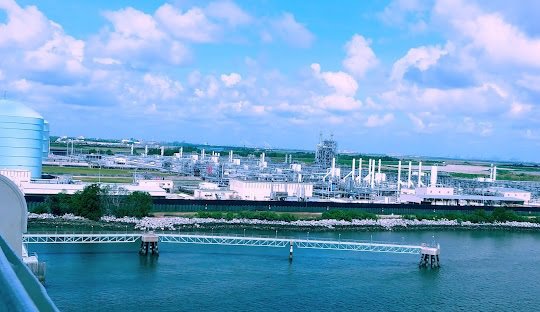
Gas terminal transformed for high-capacity export operations with improved reliability, visibility, and control systems
Solution
Integrated Control and Safety System Deployment
The facility team chose an integrated control and safety solution built on ControlLogix® to unify their operations. The system brought together process control, Safety Instrumented System, and fire and gas systems into a single architecture, enabling centralized monitoring and control.
This integrated approach improved coordination between new and legacy systems. It also supported the seamless integration of new liquefaction units while maintaining compatibility with existing infrastructure. The solution also integrated with existing data platforms, enhancing visibility into plant performance and supporting more informed decision-making.
Phased Execution and Global Collaboration
To support continuous operations, the facility implemented the solution in phases. Structured project management and rigorous quality processes were applied throughout the project, creating alignment across schedule, scope, and performance requirements.
Additionally, a global collaboration model brought together expertise from multiple regions. Clear communication protocols and coordinated execution allowed for efficient integration and reduced project complexity.
Result
Expanded Capacity and Improved Performance
The solution played a central role in transforming the terminal into a high-capacity export facility. The site successfully increased production capacity to 2.5 Mtpa, positioning it to meet growing market demand and strengthen its competitive standing.
Operational reliability improved as control and safety systems were unified into a single platform. This integration reduced complexity and allowed for more consistent system performance across the facility. Enhanced visibility into plant data allowed teams to better monitor operations, identify opportunities for optimization, and make more informed decisions.
Seamless Modernization and Long-Term Value
The phased implementation approach helped the facility maintain continuous operations throughout the modernization process, avoiding disruption and minimizing risk. The project also established a scalable foundation for future growth. With standardized systems and improved integration across assets, the facility is better positioned to expand and adapt to evolving operational needs.
By delivering an integrated control and safety solution, the terminal into a more efficient, reliable, and future-ready energy asset—supporting both immediate performance improvements and long-term strategic goals.
Published July 6, 2026