Rockwell Automation condition monitoring solutions help teams spot potential equipment issues earlier in the process. With smart sensing, scalable system designs and built‑in analytics, the portfolio offers real‑time insights that support asset protection, maintenance planning and overall operational resilience. And with options ranging from standalone sensors to fully integrated plant-wide systems, you can shape a proactive maintenance approach that supports productivity and helps limit unplanned downtime.
Key Features
Open All
Close All
Comprehensive Insight Across the Machine Lifecycle
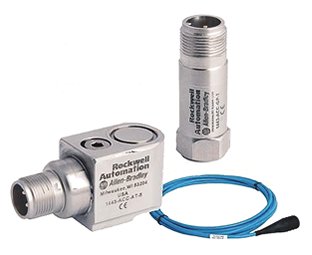
Get vibration, temperature, current and speed data from industrial‑grade sensors and monitoring systems built for demanding environments. Explore Condition Monitoring Sensors.
Adaptable Architecture for Any Application
From a single machine to an enterprise‑wide rollout, our distributed and integrated systems are built to align with your control and information strategy without adding unnecessary complexity. Discover Distributed Monitoring Systems.
Integrated with Plant Control & Analytics
Connect with Allen‑Bradley® controllers, FactoryTalk® applications and enterprise IIoT platforms to support actionable insights, automated alerts and data‑driven maintenance. Explore Integrated Systems.
Portable Solutions for Route-Based Reliability
Portable data collectors give teams a flexible way to gather manual readings and run diagnostics in areas where fixed systems are not in place yet. More about Portable Data Collectors.
Software for Predictive Asset Performance
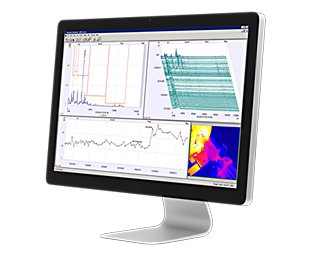
Advanced analytics, trending and reporting tools help maintenance teams spot issues earlier and make more informed decisions. Explore Condition Monitoring Software.
Condition Monitoring Solutions Built for Real Industrial Demands
From sensors to software, explore a full portfolio engineered to deliver deeper insight, stronger reliability, and smarter maintenance.
Product
Condition Monitoring Sensors
Our industrial sensors track vibration, temperature, speed and other key parameters that support early detection of equipment issues. Built for harsh environments, they provide precise, real‑time data to controllers and monitoring systems so teams can respond with confidence.
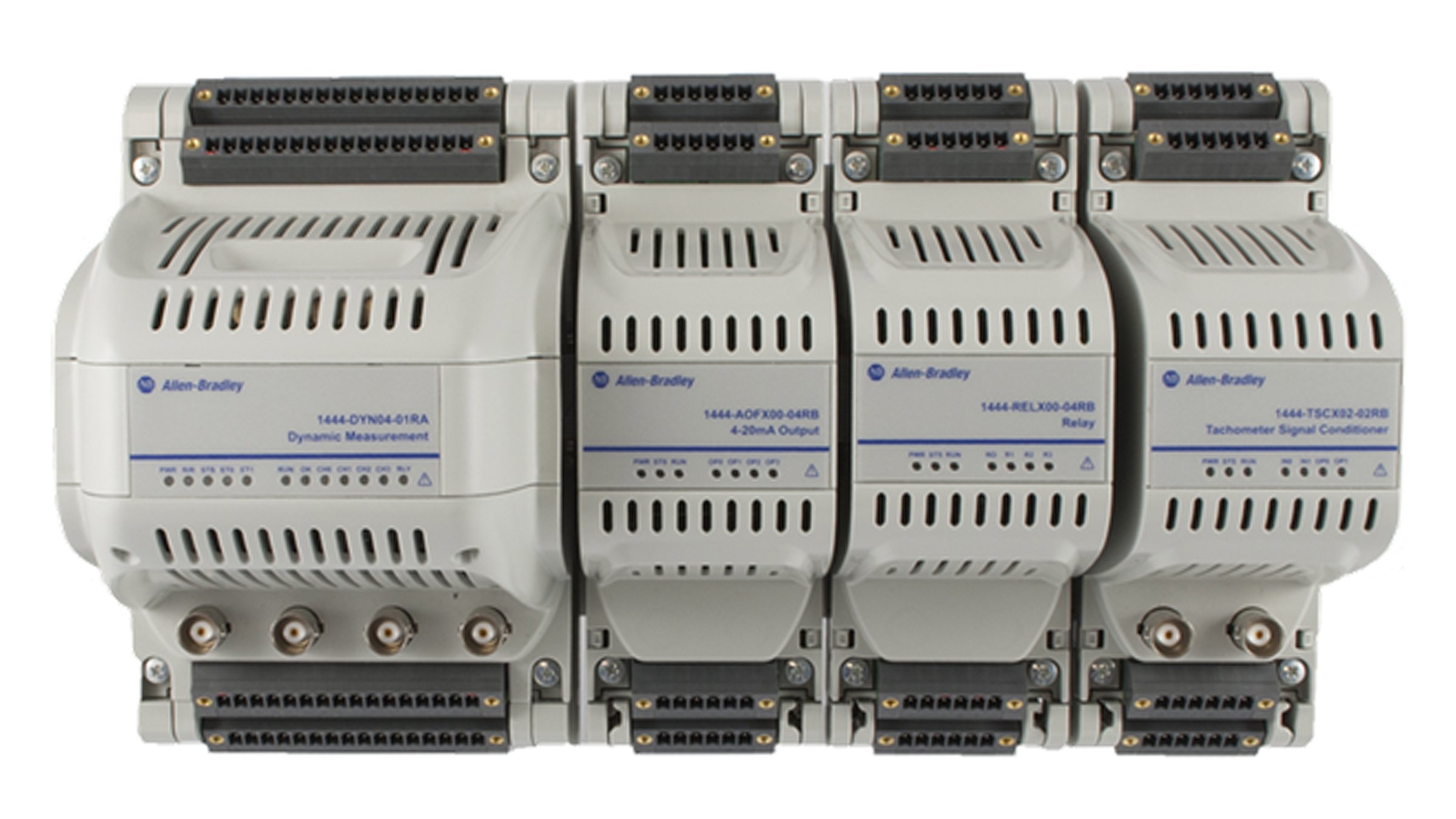
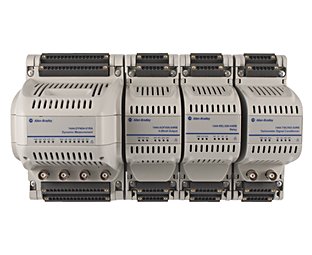
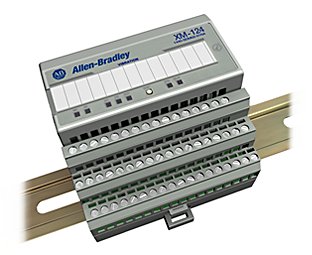
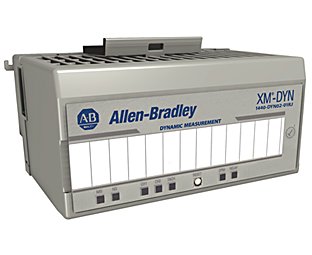
Distributed systems capture high‑resolution data right at the machine, helping reduce wiring needs and supporting future expansion. These solutions work well for operations moving toward autonomous or predictive maintenance programs.
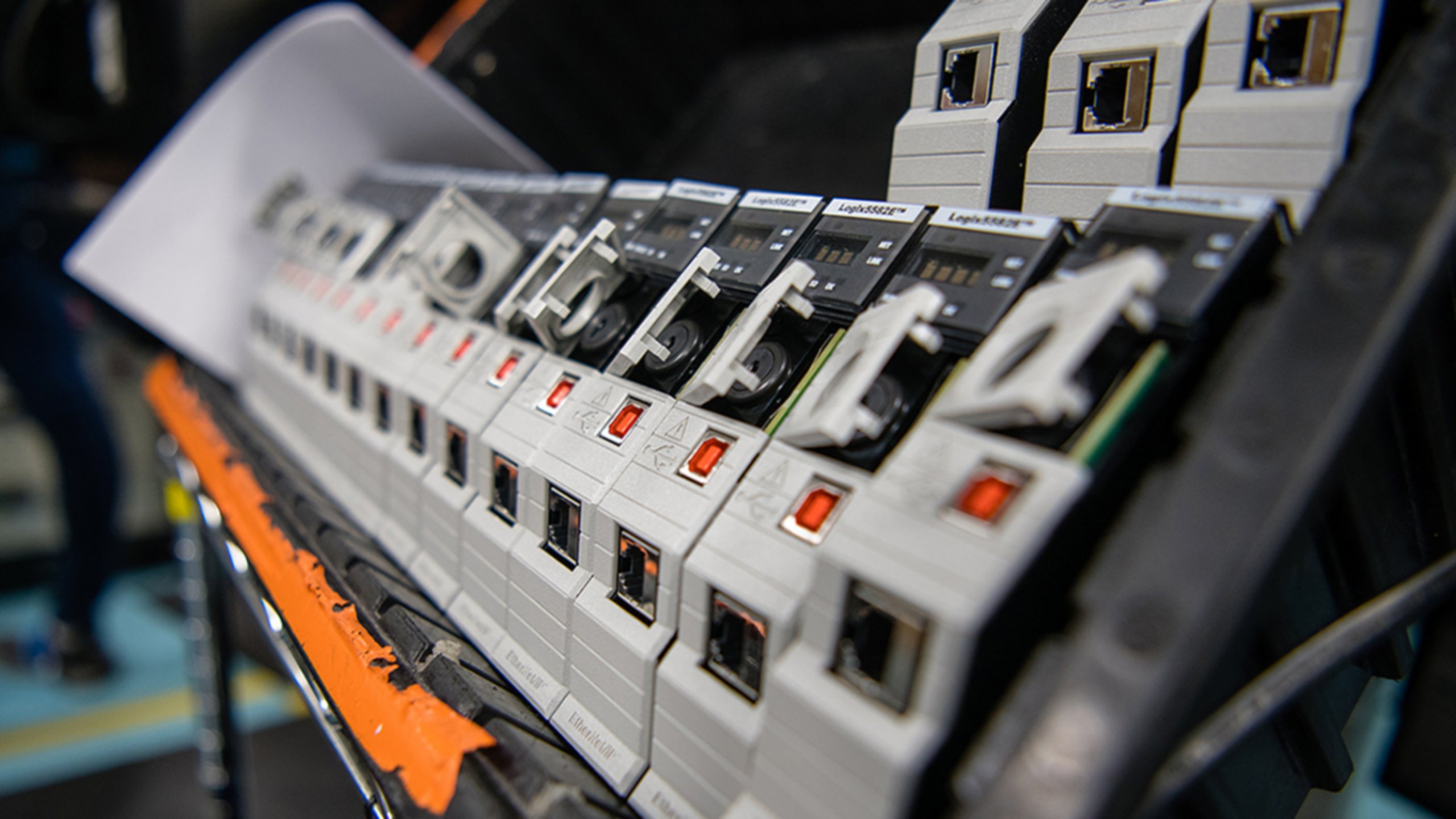
Integrated Condition Monitoring systems bring sensing, data acquisition and analytics together within Allen‑Bradley controllers and FactoryTalk applications. This setup provides centralized visibility, PLC‑driven alerts and historical trending without the need for separate infrastructure.
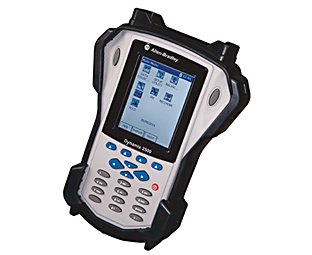
For route‑based maintenance strategies, portable data collectors let technicians gather vibration, temperature and operating data from equipment across the plant. These tools offer diagnostics, trending and reporting features that support reliability programs.
Condition monitoring software gives teams a unified view of asset health by turning raw data into useful insights. With advanced analytics, automated alerts and historical trends, it helps maintenance teams make informed decisions and strengthen performance across large operations.
Allen Bradley industrial automation components, integrated control and information solutions from Rockwell Automation make you as productive as possible.
Lifecycle Services help your manufacturing facility work faster, smarter and with greater agility at every lifecycle stage.
What is condition monitoring and why is it important?
Condition Monitoring involves collecting real‑time data, such as vibration, temperature and electrical characteristics, to identify early signs of equipment issues. By continuously tracking asset performance, maintenance teams can move from reactive or calendar‑based work to predictive strategies that help limit unplanned downtime and extend equipment life.
How do condition monitoring solutions integrate with my existing control system?
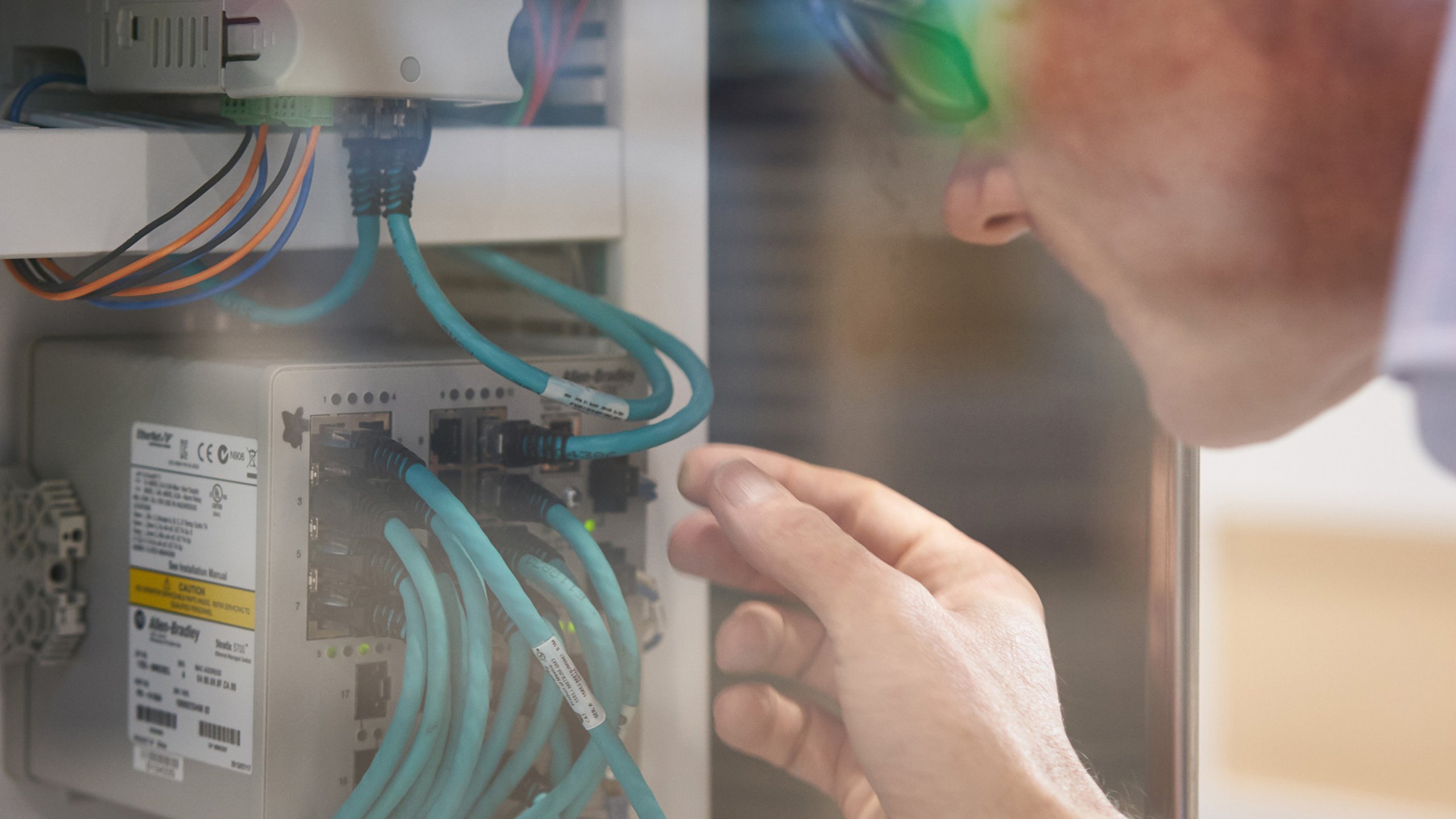
Rockwell Automation condition monitoring products integrate directly with Allen‑Bradley controllers, FactoryTalk applications and EtherNet/IP™ networks. This approach helps cut engineering effort and removes the need for separate data infrastructures. The control system becomes a central source for real‑time asset awareness with built‑in alarming, diagnostics and analytics.
What type of equipment can be monitored?
The portfolio supports a wide range of rotating and reciprocating assets, including motors, pumps, fans, gearboxes, conveyors and compressors. Sensors and systems can be matched to the environment, operating conditions and monitoring approach. For more complex machinery, integrated systems deliver high‑resolution data and analytics directly within the automation architecture.
How does Condition Monitoring support predictive maintenance?
By collecting continuous or periodic equipment data and applying analytics, condition monitoring helps identify patterns that point to wear, imbalance, misalignment or bearing degradation well before they escalate. When paired with FactoryTalk® Analytics™ or plant‑wide data platforms, teams can automate notifications, plan maintenance proactively and strengthen overall asset performance.
What industries benefit most from condition monitoring?
Industries that rely on critical rotating equipment—such as food and beverage, automotive, oil and gas, metals, mining, and water/wastewater—see strong value from Condition Monitoring. In any environment where uptime, safety, compliance, or asset longevity matters, these tools help teams manage risk and maintain productivity.
Simplify Your Processes with the Right Resources and Support
Our Bulletin 9309 Emonitor® Condition Monitoring Software works with our monitors and portable data collectors to help establish and execute a condition-based predictive maintenance program.
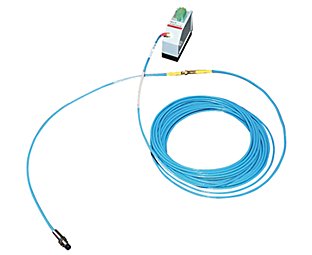
Our Bulletin 1442 Eddy Current Probe Systems include a linear range of 0.25...29 mm (9.8...1142 mils). These systems are suited for shaft vibration, phase/speed reference, and rotor/thrust position measurements on industrial machinery.
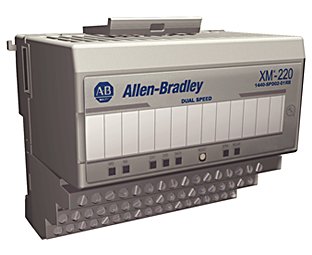
Our Bulletin 1440 XM® 220 Dual Speed Modules operate in dual-channel, single redundant channel, or reverse rotation mode to control how sensors calculate the speed, acceleration, and peak measurements.
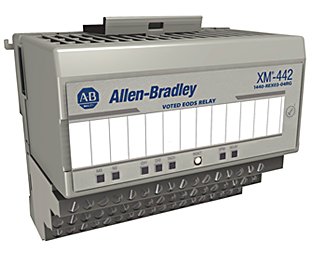
Our Bulletin 1440 XM® 441 and 442 Relay Modules provide relay solutions when additional relays, more than the single onboard relays of our measurement modules, are required.