You may also be interested in

A major Middle East petroleum complex operates large-scale processing facilities that rely on advanced safety systems to maintain uptime and protect operations.
- Unexpected shutdown during a routine system upgrade
- Legacy safety system logic triggered false fault conditions
- Production losses due to unnecessary emergency shutdowns
- Needed to improve reliability while modernizing instrumentation
- Required more consistent and scalable safety system approach
- AADvance® safety system expertise
- Updated system configuration
- Standardized thresholds aligned with industry best practices
- Reduced unexpected trips and unplanned shutdowns to zero
- Improved system reliability and operational stability
- Strengthened safety system performance and integrity
- Standardized configuration across systems for easier maintenance
- Established scalable approach for broader system modernization
Unexpected Shutdown Highlights System Gaps
A major petroleum complex experienced an unexpected shutdown during a routine maintenance upgrade, exposing underlying challenges within its legacy safety system. During the upgrade, a temporary fluctuation in sensor readings was incorrectly interpreted as a critical hardware failure, triggering an emergency shutdown and resulting in production losses.
The incident revealed that the system’s existing configuration was not aligned with modern operational expectations. Rather than accurately distinguishing between normal process variations and actual faults, the system responded too aggressively to minor signal changes.
The complex was also working to modernize its infrastructure by replacing legacy instrumentation with more advanced, redundant technology. However, legacy configuration logic continued to influence system behavior, limiting the effectiveness of new equipment and introducing inconsistencies in performance.
Need for Greater Reliability and Consistency
Further investigation showed that system behavior was being driven not just by the application logic, but also by lower-level diagnostics within the safety system architecture. This created a disconnect between operator intent and system response, making it difficult to help prevent unnecessary trips.
The facility required a solution that would improve system accuracy, reduce operational disruptions, and create consistent behavior across both legacy and modernized systems. The facility also needed a scalable approach that could be applied across its broader install base to support ongoing modernization efforts.
AADvance® Expertise Drives Root Cause Resolution
The petroleum complex used the expertise of AADvance® safety systems to investigate the issue. They found that the root cause was not a hardware failure, but a configuration issue that caused the system to misinterpret normal process variations as faults.
By refining the system configuration, the facility improved how the AADvance® system distinguishes between true hardware failures and valid process conditions. This allowed the system to respond appropriately without triggering unnecessary shutdowns. Alignment with NAMUR NE43 industry standards further enhanced the system’s ability to interpret process signals accurately.
Validation and Standardization for Future Use
For the updated configuration to perform as expected, validation was conducted in a controlled testing environment that replicated the site’s conditions. This allowed engineers to confirm system behavior across a range of scenarios and refine the configuration as needed.
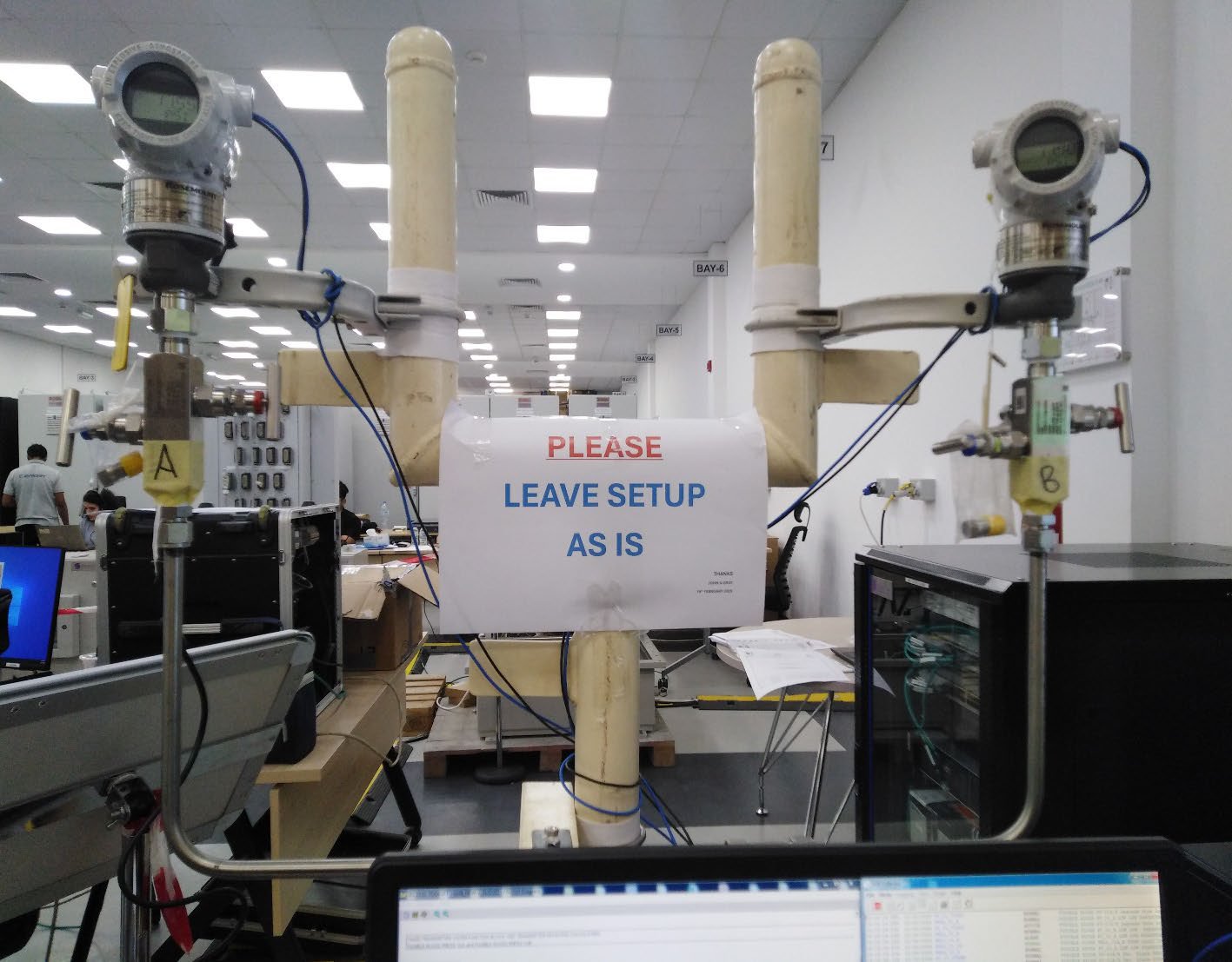
AADvance® safety system testing and validation
The updated approach introduced a more consistent and predictable system response, improving operator confidence and reducing the likelihood of future disruptions. The AADvance® system was transformed from a source of operational risk into a more reliable and resilient safety platform.
Reduced Shutdowns, Stronger Compliance, Improved System Performance
The updated AADvance® system configuration, aligned with NAMUR NE43 industry standards, significantly reduced unnecessary trips, minimizing unexpected shutdowns and helping avoid associated production losses. The system could now distinguish between normal process conditions and genuine faults, improving operational stability.
Solid Safety Foundation and Future Readiness
The solution also strengthened the overall integrity of the safety system. By improving how faults were detected and handled, the AADvance® system provided more reliable protection for both personnel and equipment.
The standardized configuration also simplified maintenance and reduced complexity for operations teams. With a more consistent and predictable system in place, troubleshooting and future upgrades became easier and more efficient.
In addition, the approach created a foundation for broader modernization efforts. The facility can now apply these configuration standards across its install base, supporting long-term improvements in reliability and scalability.
Published June 29, 2026