Loading
Magazine | Food & Beverage
Recent ActivityRecent Activity

What Food & Beverage Teams Should Learn from Cyber Incidents

Analysis after a cybersecurity incident can manufacturers uncover root causes, close gaps and prevent future disruptions in complex OT environments.

Share This:

LinkedInLinkedIn
XX
FacebookFacebook
PrintPrint
EmailEmail
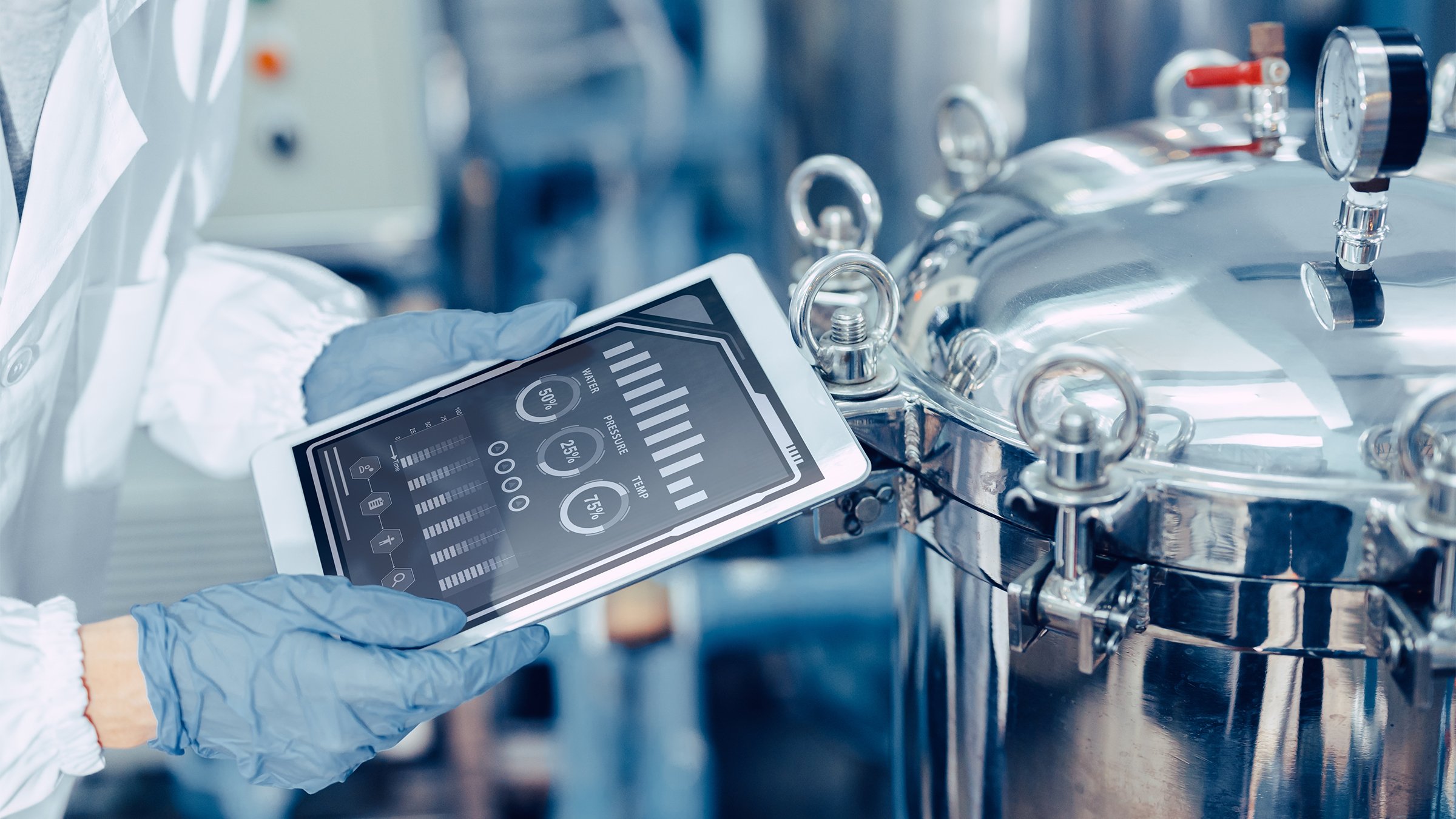
Close-up of an engineer using a tablet to monitor a high-pressure tank in a food and beverage plant.

Food and beverage plant floors are intricate ecosystems. Standalone machines, integrated into production lines, create a complex environment to secure. This complexity is further amplified by the diverse range of devices, rapid technological advancements and legacy equipment present.

Limited visibility and control make securing these interconnected systems even more challenging, as does the need for production continuity and the sensitivity of data within the industry. Add to this the specific regulations and physical security concerns unique to the food and beverage sector, and the landscape becomes a veritable cybersecurity labyrinth.

The Role of Post-Incident Analysis

Within this complex ecosystem, post-incident analysis (PIA) emerges as a crucial tool. It provides a comprehensive review and analysis of security incidents, peeling back the layers to reveal the root cause, assess the impact and evaluate the response's effectiveness. This helps organizations identify vulnerabilities, learn from their mistakes and implement preventive measures to prevent future incidents.

By navigating the intricacies of PIA, food and beverage plants can begin to unravel the complexities of their interconnected systems and build a more secure and resilient environment.

Post-incident analysis includes risk identification, risk assessment and risk mitigation. Once a security team identifies a threat actor’s point of entry and understands their tactics, techniques and procedures (TTPs), they can proactively implement targeted risk mitigation strategies. This includes:

  1. Patching vulnerabilities.
  2. Strengthening access controls.
  3. Improving detection and response tools.

Best Practices for the Post-Incident Analysis

PIA plays a crucial role in the food and beverage industry due to the heightened risks of contamination and product recalls. Food safety incidents can have devastating ripple effects, impacting public health, brand reputation and financial stability.

Therefore, conducting a thorough and swift PIA is essential for identifying the source of contamination, preventing further harm and minimizing the overall impact. Best practices include:

  • Prioritize data collection. The main goal of PIA is to learn from past mistakes, and collecting every piece of data will educate the risk management process in the future.
  • Establish a cross-functional team. Gathering diverse perspectives from departments beyond the security team will allow them to identify blind spots, prioritize risks more effectively and develop solutions more aligned with the needs and realities of different departments.
  • Assess affected networks. Understanding the specific data accessed and the potential consequences of that unauthorized access empowers organizations to develop targeted and effective mitigation strategies.
  • Develop mitigation strategies. By harnessing the insights gleaned from the data, security teams can now build robust solutions to safeguard operations against potential future disruptions.
Water bottling line for processing and bottling pure spring water, with aqua and red lighting.
Download the eHandbook
2025 CPG Insights: Best Practices for Smarter Automation

Our 2025 CPG Insights eHandbook is designed to help consumer packaged goods firms use digital technology to achieve peak performance. This comprehensive resource is packed with real-world examples of how leading CPG companies are using digital transformation to achieve:

  • Increased packaging throughput.
  • Enhanced cybersecurity measures.
  • Greater scalability through control system upgrades.
  • Improved operational efficiency through optimized data.
  • Compliance with FDA traceability requirements.

This educational resource is published by The Journal From Rockwell Automation and Our PartnerNetwork™ magazine and sponsored by Endress+Hauser.

Download Now

Staying Ahead of Threats

While PIA is crucial, the goal is always to prevent cyberattacks and disruptions. According to a recent report, 60% of analyzed OT/ICS incidents resulted in operational disruptions. Disruption in any industry is tough, but in the food and beverage industry, it can put public safety and critical supply chains at risk.

Additionally, food and beverage companies face a unique challenge: protecting their aging production systems from evolving cybersecurity threats. While legacy infrastructure can pose challenges to deploying the latest security solutions, secure information convergence offers a promising path forward.

While converging all enterprise data into a unified infrastructure can enhance efficiency and productivity, it also presents an attractive "attack surface" for threat actors seeking lateral movement and widespread disruption. To mitigate this risk, organizations embracing converged IT/OT environments must establish robust security strategies such as zero trust, network segmentation, strong identity and access management, and robust firewalls.


The Journal From Rockwell Automation and Our PartnerNetwork™ is published by Endeavor Business Media.

Topics: The Journal Cybersecurity Food & Beverage

You may also be interested in

Loading
Loading
Loading
Loading
  1. Chevron LeftChevron Left Rockwell Automation Home
  2. Chevron LeftChevron Left Com...
  3. Chevron LeftChevron Left News
  4. Chevron LeftChevron Left The Journal
  5. Chevron LeftChevron Left Lessons from Food & Beverage Cyber Incidents
Please update your cookie preferences to continue.
This feature requires cookies to enhance your experience. Please update your preferences to allow for these cookies:
  • Social Media Cookies
  • Functional Cookies
  • Performance Cookies
  • Marketing Cookies
  • All Cookies
You can update your preferences at any time. For more information please see our {0} Privacy Policy
CloseClose