Loading
Blog
Recent ActivityRecent Activity

Building Actionable Continuous Exposure Management

Protect uptime with continuous exposure management and a solution with 360° visibility to resolve OT risks before they cause shutdowns.

Share This:

LinkedInLinkedIn
XX
FacebookFacebook
PrintPrint
EmailEmail
Female factory employees operating machine on plant floor together, using tablet, looking at monitors over control panel. Side view. Production process or machinery concept

The availability of industrial manufacturing operations serves as a critical foundation for maintaining overall business sustainability. Any interruption in the process can impact production output and delay order fulfillment, therefore placing significant focus on the maintenance functions of the manufacturing operations. Over time, such disruptions may negatively impact revenue and increase the risk of contractual non-compliance with clients.

The Silos of Industrial Business Continuity

In many industrial organizations, formal responsibility for business continuity is typically across multiple departments, each with clearly defined roles and responsibilities that include:

General Management / Executive Committee

Exercising a leadership role and setting the continuity strategy and the approval of the necessary investments. These teams should also belong to the crisis management committee due to the need for decision-making (halting production, activating alternative plans, etc...).

Risk Department / Business Continuity Management (BCM)

In large organizations, there are specific teams in charge of risk analysis, creation of contingency plans and evaluation of regulatory compliance, which support and sustain management in making strategic decisions.

Legal and Compliance

Supervising the legal implications of the decisions made and the legal or regulatory needs of the company by their industry sector or geographical location in which they operate.

Finance (CFO/Treasury)

Finance teams collaborate in the evaluation and quantification of the financial impact of shutdowns and with the creation of contingency funds. They also deal with insurance, liquidity and, in general, economic risk management.

Information Technology (IT/CIO)

The role of the IT department, led by the Chief Information Officer (CIO), is becoming increasingly significant for business continuity. Given their strategic responsibility for managing the systems and networks that support core business applications, CIOs play a pivotal part in confirming the ongoing operation of corporate systems such as ERP, CRM, and IT networks. Additionally, they are essential to cybersecurity efforts, which typically center on information technology (IT) rather than operational technology (OT).

Human Resources (HR)

HR teams verify the availability of critical personnel. They are responsible for developing rotation schedules, establishing teleworking strategies, and defining emergency protocols related to personnel management.

Operations / Production

Although these teams are responsible for industrial process continuity (maintenance, SCADA, PLCs, MES) and are a critical part of business continuity, their vision is often not fully integrated into continuity plans at the corporate level.

OT Knowledge of Remaining Departments

Except for the production teams, the rest of the departments are usually unfamiliar with the functionality and criticality of OT assets. The areas of risk management, finance or compliance dominate risk management at the corporate level, but do not understand OT technology (PLC, SCADA, DCS, industrial networks) in detail. The IT department possesses strong technical expertise, particularly within its primary domains such as servers, databases, and corporate networks. However, professionals in this area typically have limited familiarity with OT protocols including EtherNet/IP, Modbus, Profibus, and OPC-UA. Human Resources primarily oversees personnel planning. Operational Technology expertise resides within the production department; however, production teams are frequently not directly engaged in formulating the corporate continuity strategy.

Why OT Risks Are Overlooked

A distinct gap exists between corporate risk oversight and industrial process continuity at the operational or plant level (from the OT perspective). Bridging this gap requires continuous threat exposure management—a framework that ensures OT-specific vulnerabilities are visible to the entire organization. When these areas are not aligned, corporate functions may underestimate OT-related risks due to limited awareness. Consequently, production teams may not receive appropriate budget allocations to address OT vulnerabilities that could endanger overall business operations.

This recurring misalignment presents a significant challenge. Although risks impacting overall business continuity also influence process continuity, and vice versa, certain risks demand specialized expertise and understanding within the operational technology (OT) domain and related production systems. Neglecting operational risks can have substantial implications for achieving business continuity objectives. Given the varied nature of these risks, analysts must possess distinct levels of expertise to accurately identify and assess each risk category.
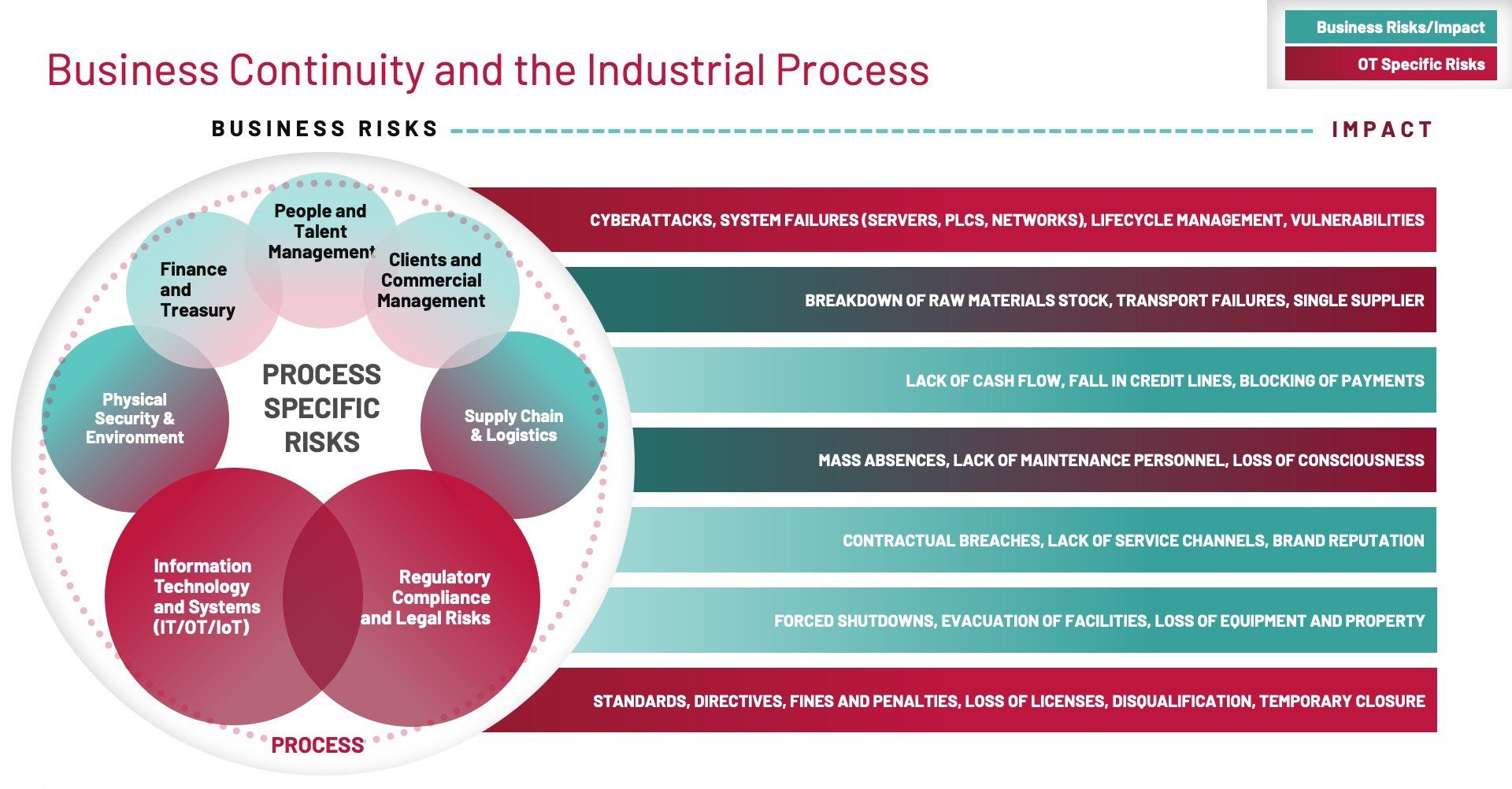
Graphic depicting business continuity and the industrial process

Figure 1. Business Continuity and the Industrial Process. Risks and Impact

When considering risks that affect the organization and business continuity, corporate risks at a primary level can be assessed by broad organizational departments such as Finance, Human Resources, and Commercial Management. These risks are not necessarily directly associated with the company's core production activities.

Furthermore, in evaluating the necessary level of technical expertise, it is important to recognize an additional category of risks: those related to physical security, environmental factors, logistics, and the supply chain. Although understanding these areas requires knowledge of the organization's operations, they generally do not require in-depth technical proficiency regarding production systems and processes.

The third category of risks pertains specifically to the OT environment. Addressing these risks demands not only comprehensive technical and process-level expertise but also proficiency in managing unique systems and tools that are exclusive to this area of the organisation. These include technological and regulatory risks, which cannot be properly assessed or monitored solely by corporate departments without the involvement of OT specialists. Effective management requires specialized knowledge and the ability to deploy tools that can be integrated within the OT environment and interact with critical OT assets.

Mature organizations are forming interdisciplinary teams consisting of IT, OT, and risk professionals, while implementing industrial security frameworks such as ISA/IEC 62443 and cybersecurity governance standards like NIST-CSF. They are also developing dedicated mechanisms and CEM platforms for continuous exposure monitoring tailored to OT environments, leveraging advanced data analytics to generate Key Risk Indicators (KRIs) that are accessible to managers and risk management teams. These efforts are decision-focused and seamlessly integrated with other corporate platforms.

Shifting from Reactive to Proactive Security

Continuous Exposure Management (CEM) remains an evolving practice within most organizations and is challenging to sustain over extended periods, particularly in production or operational technology (OT) environments. CEM represents a proactive strategy focused on impact prevention and risk prediction, aiming for the continuous identification, assessment, and mitigation of organizational threats. In contrast to conventional reactive approaches, CEM employs continuous monitoring, contextual analysis, and risk prioritization to oversee the comprehensive attack surface and relevant context affecting asset availability. This proactive strategy enables organizations to address threats before they escalate into incidents or disruptions to operations.

Implementing continuous exposure management requires more than just a list of devices; it demands deep 360º visibility.  In industrial settings, OT visibility platforms are primarily designed to address cybersecurity by surveying digital assets and compiling an inventory of plant systems. These platforms map each system to its associated firmware or software version, identify vulnerabilities, and classify them according to severity and potential operational impact. Additionally, they incorporate threat detection functions, utilizing predefined rules and thresholds or monitoring for anomalous behavior.

These tools frequently operate by passively monitoring traffic on the OT network, either through switch-level mirroring or by using a network tap to duplicate the data flow. However, not all activities within the environment are reflected in network traffic.

Beyond Network Traffic: Achieving 360° Visibility

Additional sources of potential threats to process continuity have not been addressed, yet their inclusion could provide a more comprehensive understanding of asset exposure. This broader perspective would enhance the risk index by considering process continuity risks beyond cybersecurity or network-level communications, thereby improving our ability to anticipate issues that may affect ongoing operations.

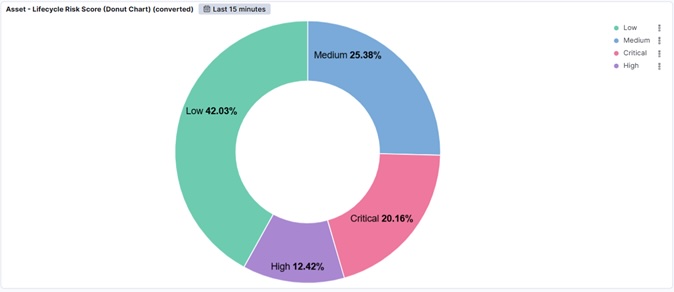
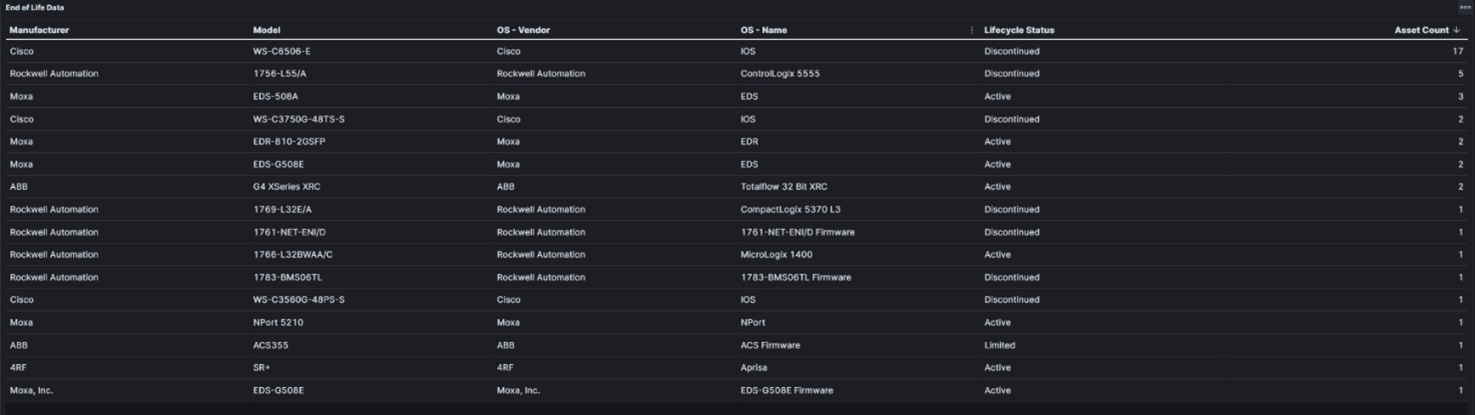
Contextual risks: Obsolescence Management

Figure 2. Contextual risks: Obsolescence Management. SecureOT

Consider obsolescence management and the relationship between the life cycle of operational technology assets, such as PLCs, gateways, relays, network equipment, and their respective levels of criticality. The obsolescence status of a critical asset, whether Active, Active Mature, Limited, End-of-life, or Discontinued, is a key indicator of its associated risk regarding availability. Factors such as discontinued manufacturer support, challenges with replacement, and lack of updates can significantly affect these risks, thereby influencing the continuity of production processes and overall business operations.

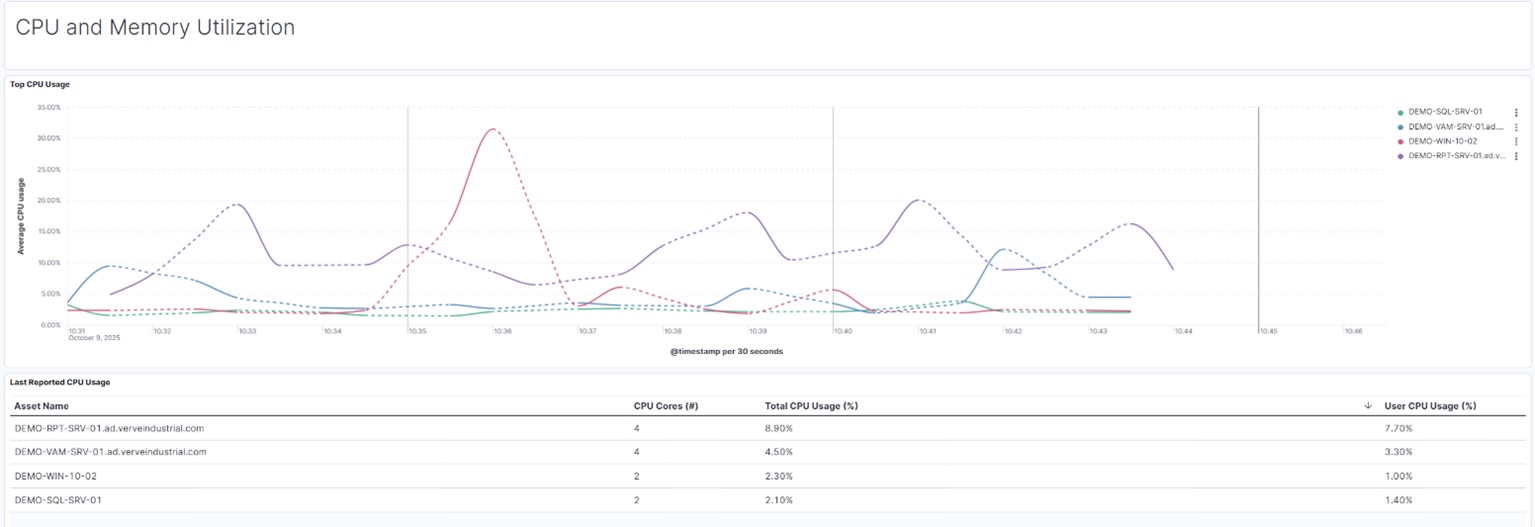
In a similar manner, monitoring fundamental health parameters of critical assets is instrumental in anticipating or identifying potential secondary threats. A significant rise in CPU usage, the presence of new processes, or alterations in process privilege levels may signal malicious activity. Proactively tracking the health of essential assets and correlating these metrics with other contextual data is crucial for effective risk mitigation and early detection of emerging issues.

Critical Systems Health monitoring. SecureOT Platform Dashboard

Figure 3. Critical Systems Health monitoring. SecureOT Platform Dashboard

While information regarding asset obsolescence and health parameters is valuable individually, their integration is a cornerstone of continuous threat exposure management. For example, the need to expand system capacity, such as upgrading CPU or memory, may be hindered if the asset has been discontinued. Replacing the system with an alternative from the same or another manufacturer can be time-consuming, and the technical implications—such as differences in firmware versions or new interfaces with disparate functionalities—may be difficult to anticipate. These considerations become especially significant during crises that impact critical assets, particularly within regulated industries such as chemicals or pharmaceuticals. In these sectors, any changes or updates to the infrastructure supporting production processes must be validated through established procedures.

Achieving comprehensive 360° visibility is essential for effective process continuity management. This approach enables organizations to anticipate underlying issues that extend beyond cybersecurity and proactively prevent unplanned operational shutdowns.

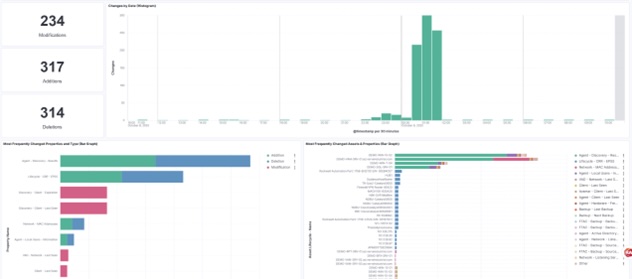
Building on this proactive approach, the capability to monitor changes in the configuration of OT assets serves as valuable contextual information for identifying operational risks and predicting potential unscheduled shutdowns. Alterations to variables within critical assets at unexpected times can provide early indications of underlying issues. These changes often remain undetected by network monitoring tools, as they occur internally within the asset and are executed by authenticated users via authorized systems. While it may be possible to verify that modifications were performed by authorized personnel using designated platforms on relevant assets, evaluating whether the nature and extent of such changes are safe for ongoing operations remains challenging.

OT Change Detection Dashboard. SecureOT Platform

Figure 4. OT Change Detection Dashboard. SecureOT Platform

When an event is detected by the firewall due to access from Level 4 to Level 3, and is subsequently followed by a log entry documenting a Windows administrator's modification of the Operating System configuration on a Supervisory Control and Data Acquisition (SCADA) server—correlated by a trigger generated from a Network Intrusion Detection System (NIDS)—the significance of this change in the SCADA environment may require further evaluation. If operating system logs are accessible, these can be cross-referenced with corresponding NIDS alerts, providing valuable traceability. This approach enables the Security Operations Center (SOC) for Operational Technology (OT) to conduct a comprehensive investigation, utilizing information from the firewall, Windows servers, and NIDS, as well as querying the state of process variables. Our capability to detect compromised situations or false positives is enhanced, leading to improved efficiency in identifying and preventing unplanned downtime. Furthermore, once a specific use case is determined, automation can be implemented by establishing detection rules based on a catalog of permitted or prohibited use cases and anomalies from various sources—all without requiring navigation across multiple consoles. This approach streamlines SOC OT operations and further enhances operational efficiency.

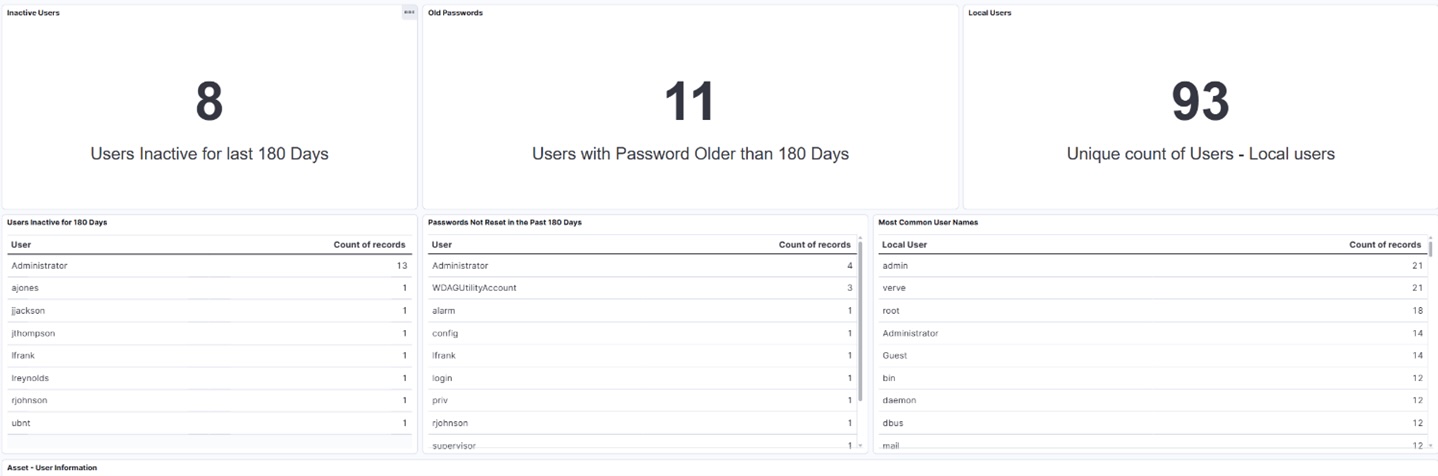
When considering strategies to minimize exposure, it is also important to note the value of monitoring account and user activity on OT assets, as well as identifying both authorized and unauthorized software present within the systems.

Inactive accounts, particularly those that are overprivileged or secured with weak passwords, unnecessarily expand our attack surface on various systems.

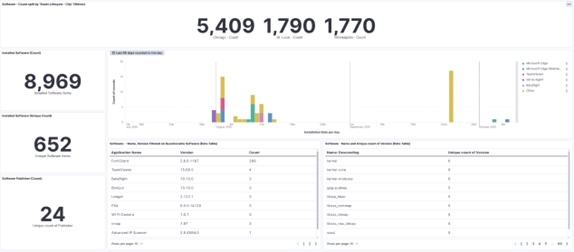
Similarly, generating a Software Bill of Materials (SBOM) is particularly valuable from the perspective of CEM. This approach enables more precise measurement of accumulated risk at the plant level, such as by documenting the number of deployed instances of unauthorized software and assessing the significance of the assets on which this software is installed in relation to the process.

Software Bill of Materials dashboard

Figure 5. Software Bill of Materials (SBOM). SecureOT Platform Dashboard

Passive network monitoring tools are insufficient for generating a comprehensive inventory of plant software, leaving blindspots in a continuous threat exposure management program. Consequently, it is often necessary to utilize supplementary tools that fulfill this requirement effectively; however, these solutions require the operation, maintenance, and supervision through separate consoles. This results in increased operational workload and necessitates additional training for operators across multiple platforms.

Bridging the Regulatory and Compliance Divide

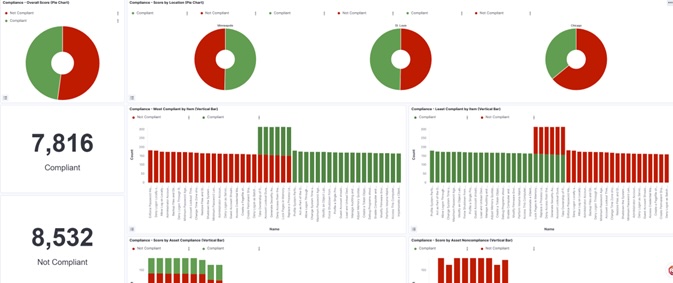
Alongside the requirement to monitor the exposure of OT assets and ensure their availability from a comprehensive risk perspective, there is also a need to assess compliance with corporate policies, such as system hardening, backups, antivirus protection, for those OT assets. It is essential to regularly and systematically evaluate policy compliance, continuously identifying assets that are either compliant or non-compliant, as well as determining the underlying causes (for example: open ports, SSH access, syslog status, IP source routing, password protection, USB storage management, backup status, antivirus version, etc.).

Compliance again corporate policies. SecureOT Platform Dashboard

Figure 6. Compliance again corporate policies. SecureOT Platform Dashboard

Regulatory compliance is an essential aspect of business operations, as failure to comply can result in significant financial penalties, legal consequences, criminal liability at the management level, or even the revocation of licenses required to operate in specific sectors. For instance, the implementation of the European NIS2 directive has prompted organizations to enhance internal reporting from mid-level to senior management, thereby improving corporate governance bodies' visibility into regulatory compliance status and associated risks.

Meeting the Demands of NIS2 and Corporate Governance

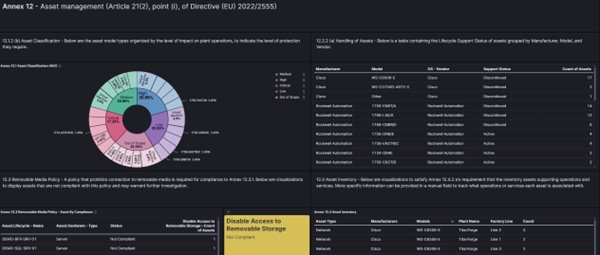
Example of Dashboard for one of the NIS2 directive use case

Figure 7. Example of Dashboard for one of the NIS2 directive use case: Article 21(2). Asset management

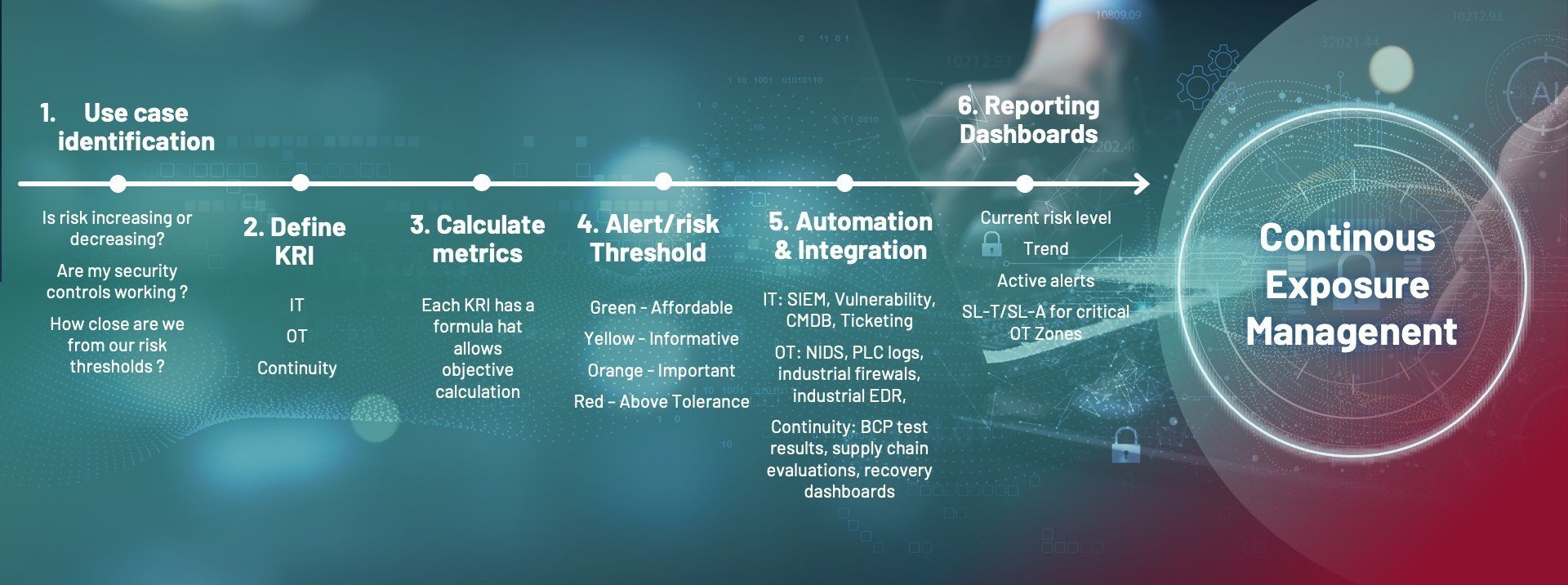
Business management teams are responsible for establishing dashboards that reflect compliance with regulatory requirements; however, often they do not possess the necessary tools to efficiently generate and automate these reports. Additionally, it is essential to identify the Key Risk Indicators (KRIs) within each requirement or use case, determine the appropriate metrics for measurement, and establish the thresholds that the organization considers normal or acceptable. It is also necessary to integrate the compliance measurement tool with existing IT and OT systems and to automate report generation to ensure efficiency. This represents a significant corporate challenge, as integration and automation skills are typically found within IT teams, whereas the identification of use cases and associated metrics resides with production teams. Therefore, cross-functional understanding and collaboration are crucial, even though these interactions do not always occur naturally.

Graphic depicting building continuous exposure management

Figure 8. Building Continuous Exposure Management. Why do organizations fail?

We can continue to identify sources of contextual information pertinent to business continuity in order to achieve comprehensive visibility as advocated by CEM. These sources include maintaining backup copies in accordance with continuity policies, ensuring antivirus databases are up to date, monitoring critical process variables, gathering intelligence data for NIDS networks and netflow NVE, managing logs effectively, parsing equipment configurations, among others. Such practices are essential for advancing our CEM maturity.

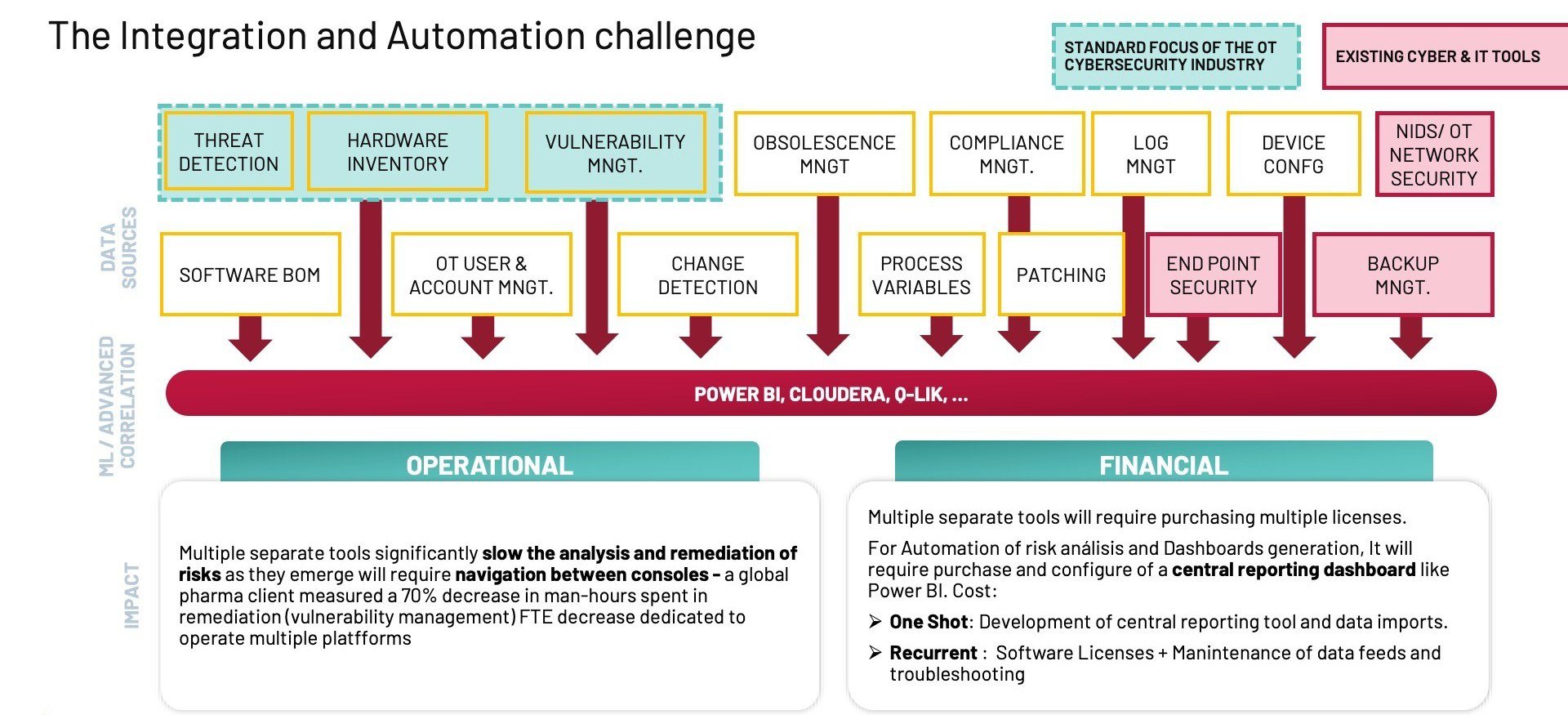
Many organizations must utilize multiple tools to address essential sources and context assessments beyond traditional vulnerability-based methods, such as CVEs, CVSS, cybersecurity risks, and the detection of anomalous behavior through passive network monitoring. As a result, security and risk management departments are often compelled to manage a collection of single-purpose platforms, each optimized for its specific function but operating independently. This fragmentation requires teams to develop expertise in numerous systems at both the user and administrative levels, replicate similar use cases across different platforms with unique characteristics, and continuously switch between various consoles.

In this scenario, the approach to CEM is proposed as an aggregation of sources, data and different reports, usually manually or, in the best of cases, through some type of automation and analytics supported by external tools.

The problem with this model is low efficiency and operational complexity.

One operational challenge with this approach is coordinating activities across multiple consoles. To automate dashboard production and generate targeted dashboards for monitoring critical process assets, it is often necessary to develop a custom integration leveraging an advanced analytics layer (such as PowerBI, Cloudera, or Q-Lik) and Machine Learning (ML) technologies.

From a financial standpoint, the implementation of a centralized reporting tool necessitates an upfront investment in its development and integration with context data platforms. Additionally, there are potential substantial ongoing costs associated with platform licensing, maintaining platform data feeds, and continuous troubleshooting efforts.

Continuous Exposure Management for OT

Figure 9. What is Continuous Exposure Management (CEM) for OT. The Integration and Automation challenge

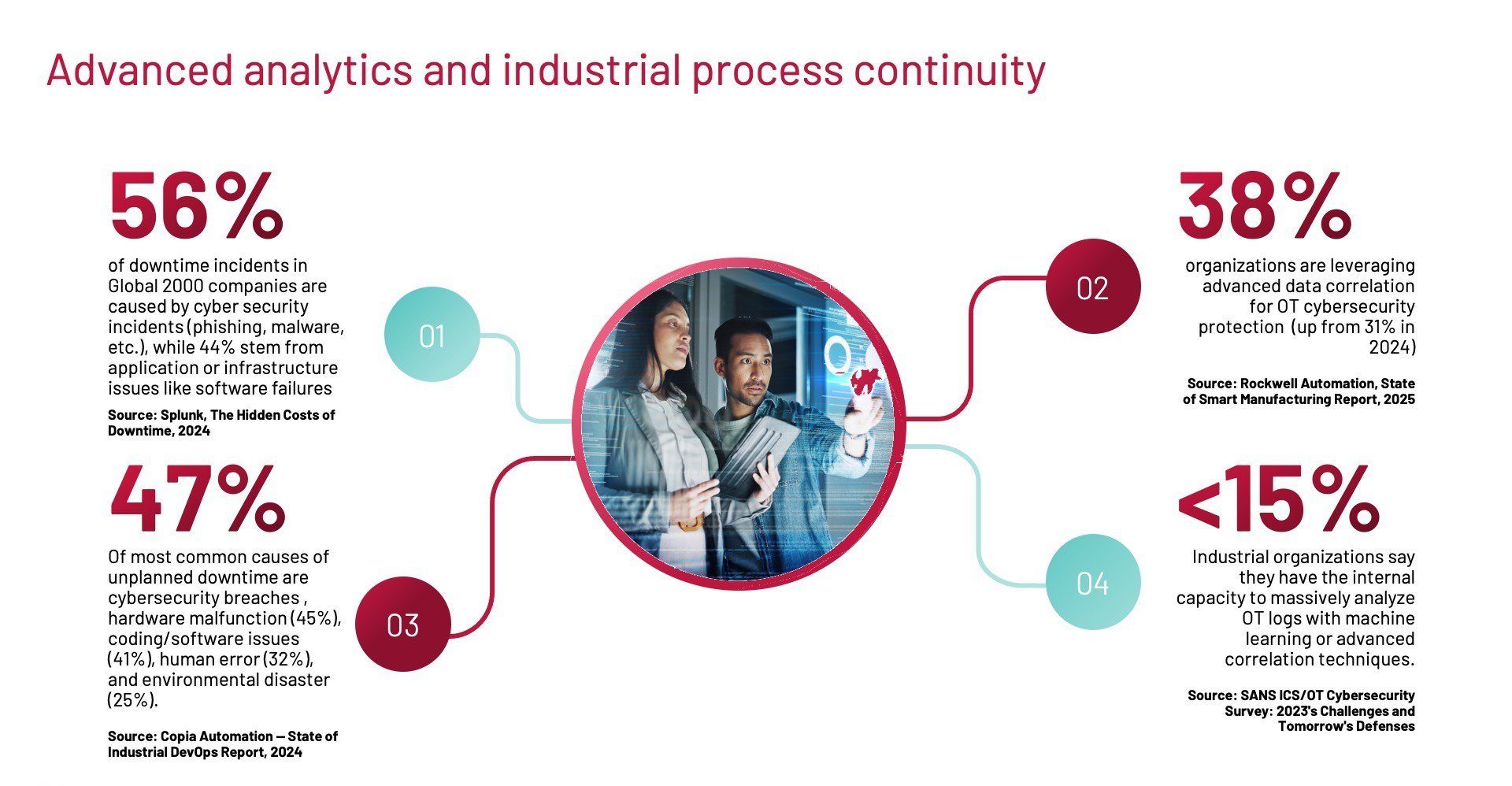
While the concept has been explored extensively within the IT sector over the years, operational complexity continues to present significant challenges to achieving high maturity in CEM, particularly when considering the unique requirements of OT environments. Recent research and surveys indicate that insufficiently mature CEM practices hinder proactive identification of various causes of availability loss, such as hardware failures, software problems, human error, and cybersecurity incidents, and contribute to nearly 50% of unplanned shutdowns in production settings.

Graphic depicting advanced analytics and industrial process continuity

Figure 10. Immature CEM is behind half of unplanned downtime events

This complexity impedes organizational progress to achieve CEM maturity. According to Rockwell Automation's "State of Smart Manufacturing 2025" report, 38% of organizations are already working in this direction on advanced analytics projects, but yet, according to a survey "2023's Challenges and Tomorrow's Defenses", by SANS ICS/OT, only 15% of organizations have the internal capacity to develop these advanced operational analytics models that enable CEM capability.

Furthermore, it is important to note that these solutions are seldom designed to be directly actionable. This means they do not typically enable remediation mechanisms to be activated from within the CEM platform itself, requiring users instead to access individual consoles of various specialized platforms (such as updates, patch deployment, user and account management, or adjustment of bastion parameters). Each action, whether it involves patching, OS configurations, account administration, or port closure, generally necessitates a separate tool.

To understand the reason behind this lack of corporate capabilities, you need to understand what goes into developing an automated EMF platform for exposure management and prevention of unscheduled shutdowns due to issues arising from technology assets.

As illustrated in Figure 8, "Building Continuous Exposure Management—Why Organizations Fail?", the responsibility for automating and integrating CEM functionalities typically rests with IT departments. Tasks such as script development, API integration, dashboards, and automation playbooks usually fall within their remit. However, IT teams often lack sufficient knowledge of production parameters to determine which use cases to develop, identify Key Risk Indicators (KRIs), and define metrics for calculating these KRIs. Additionally, they may not be equipped to establish acceptable thresholds or continuity parameters, which are essential for measuring current risk levels, monitoring risk trends, generating significant alerts, and analyzing SLT vs. SLA performance in critical areas.

The Path to Actionable Remediation

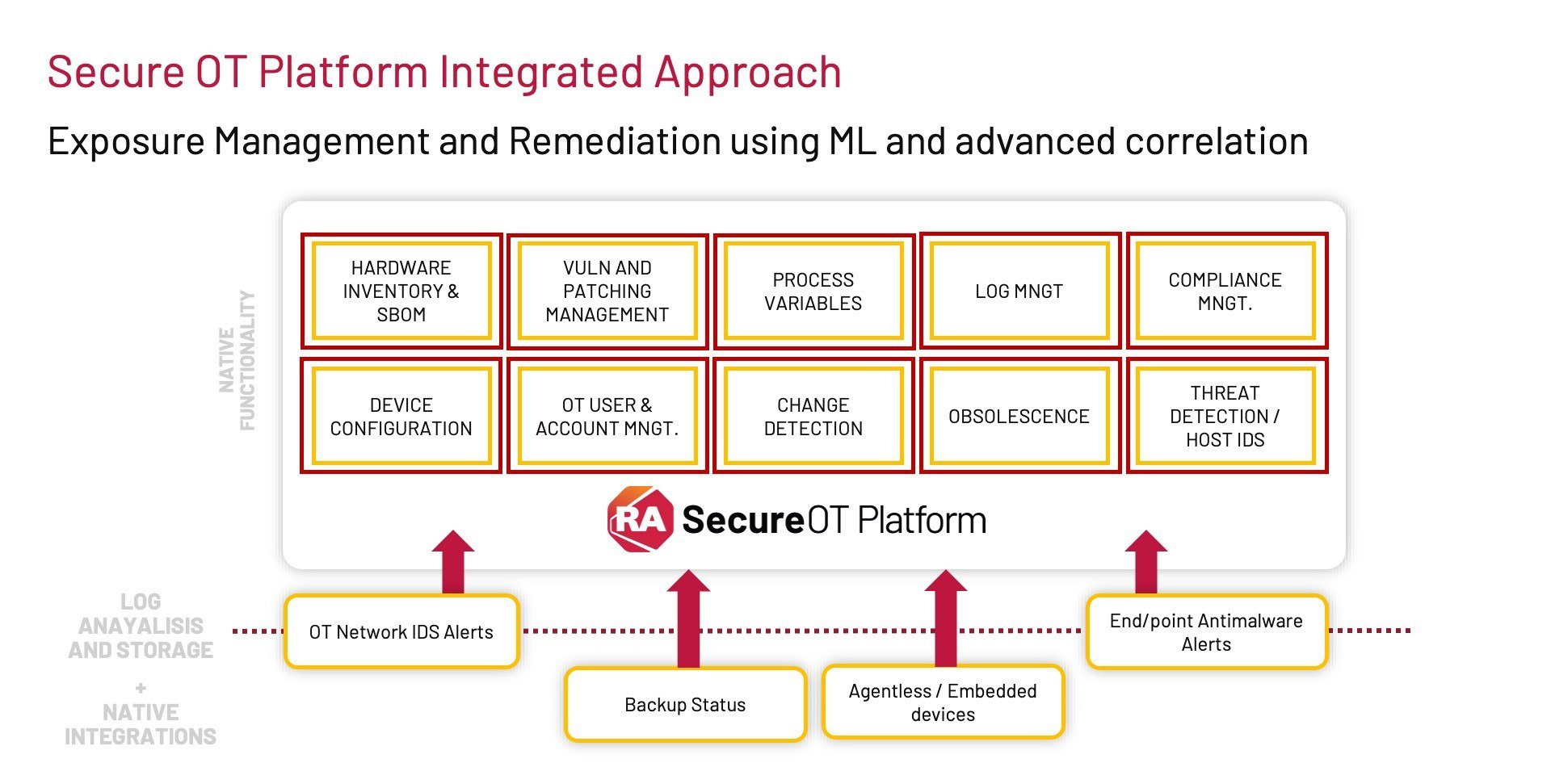
SecureOT Platform provides an integrated technology that manages the entire process from data capture, normalization, and enrichment with contextual information, through advanced correlation and machine learning, to response and remediation. This approach addresses and eliminates previously identified operational and financial inefficiencies.

Graphic depicting Secure OT Integrated Approach

Figure 11. Secure OT Integrated Approach. Exposure Management and Remediation using ML and advanced correlation

Integration complexity is streamlined by consolidating functions into a single tool equipped with a reporting layer. SecureOT Platform offers native capabilities that replace numerous single-purpose platforms, and it seamlessly integrates with external platforms to captures and centralized logs for analytics and reporting. Use cases and dashboards are developed within this integrated environment, while the platform also enables operational actions such as parameter changes, updates, patch management, software removal, and account deletion—through role-based access, which can be integrated with local or corporate directories if available, and adheres to a least-privilege policy. As a result, SecureOT Platform serves as a comprehensive and actionable technology for not only monitoring and assessing risks and exposure, but also executing risk mitigation activities. This makes SecureOT Platform an Actionable Contending Exposure Management (CEM) platform.

Automated Compliance and Regulatory Alignment

With regard to compliance, SecureOT Platform provides continuous monitoring of operational technology parameters related to regulatory compliance frameworks, such as NIS2, NERC-CIP, and CSC, and internal policies, including hardening, device usage, software management, backup procedures, and basic log retention capabilities.

Context-Aware Cybersecurity and Risk Assessment

From a cybersecurity perspective, this approach encompasses conventional methods such as asset inventory, vulnerability assessment, risk evaluation, and detection through both rule-based and anomaly-based techniques. It also involves the development of criticality assessments determined by user-defined asset importance. In addition to the traditional approach, all relevant contextual information, such as life cycle status, accounts and users, compliance status, backup status is incorporated. This comprehensive perspective provides a more accurate assessment of risk and allows for a stronger focus on ensuring the continuity of the OT process.

Centralized Oversight and Multi-Vendor Integration

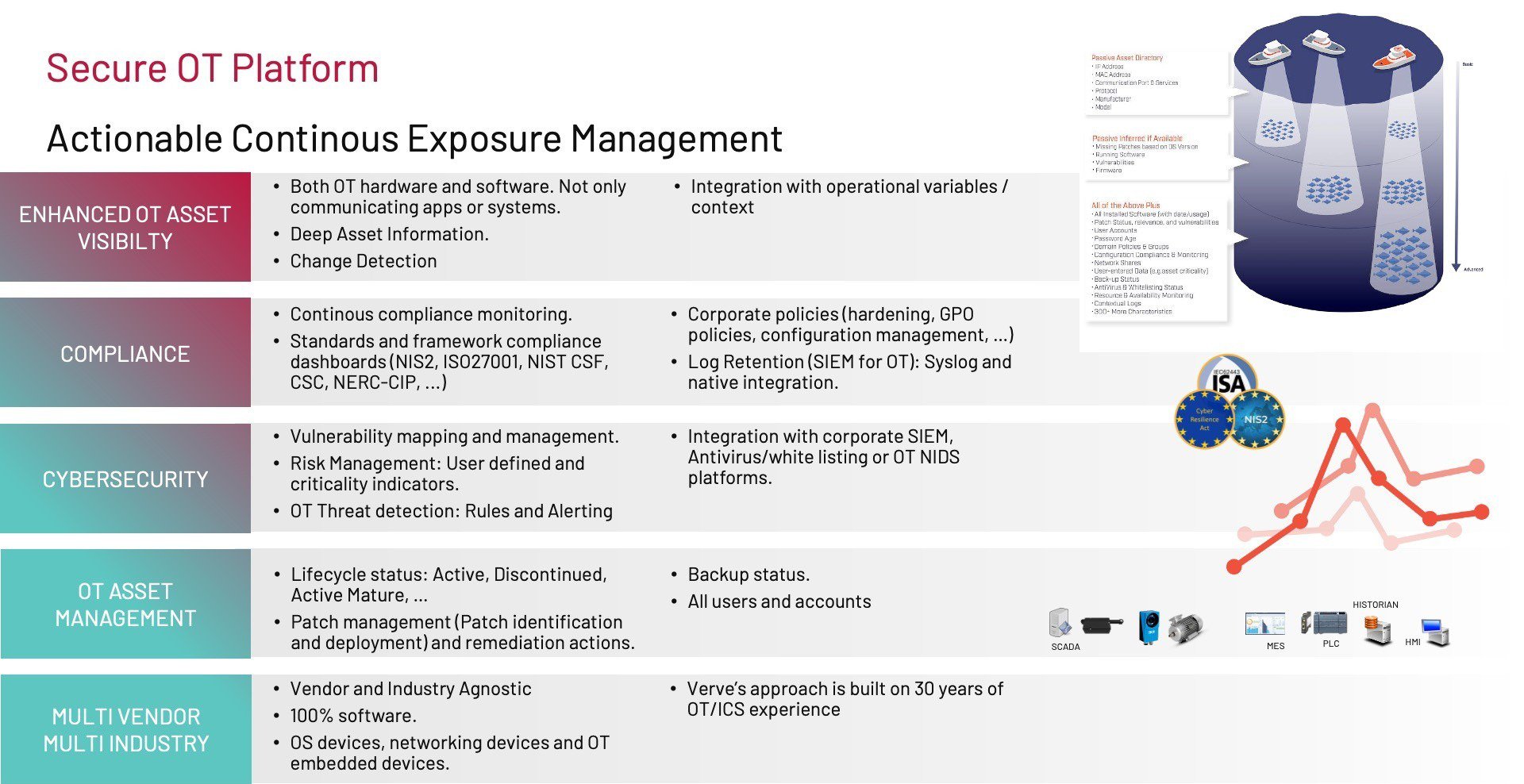
OT asset management represents a key capability, with SecureOT Platform enabling centralized oversight of all devices. This consolidation streamlines processes such as updates, maintenance, and change detection, thereby reducing operational workload and enhancing overall efficiency. SecureOT is designed as a multi-vendor and multi-industry solution, enabling adoption across various manufacturers and sectors. It integrates efficiently into complex infrastructures, delivering comprehensive protection regardless of the technological diversity present within the environment.

SecureOT Platform Graphic

Figure 12. SecureOT Platform: Actionable Continuous Exposure Management

SecureOT Platform leverages over 30 years of expertise in managing risk within operational technology (OT) environments. The platform distinguishes itself by delivering enhanced visibility into both software and hardware OT assets,including those that do not actively generate network traffic, such as dormant systems and applications. This capability provides comprehensive and granular asset information, regardless of network activity, thereby enabling effective management and oversight in complex industrial settings through the integration of operational variables with pertinent contextual data.

Published March 4, 2026


César Delgado Villalba
Business Development Lead Cybersecurity, Rockwell Automation
Cesar joined Rockwell Automation after a professional 25-year career as an expert in network and cybersecurity solutions in organizations like Deutsche Telekom, Verizon, Orange, European Space Agency, and CERN. Cesar has a degree in Telecommunications from the University of Valladolid (Spain), a master's degree in Business Administration (MBA), Master in OT Cybersecurity by CCI, and other industry certifications in cybersecurity, networking, and information technology like CISSP, CEH, CCSK, TOGAF certified, ITIL v3, CCNP, and CCDP.
Subscribe to Rockwell Automation

Receive the latest news, thought leadership and information directly to your inbox.

Subscribe now

You may also be interested in

Loading
Loading
Loading
Loading
  1. Chevron LeftChevron Left Rockwell Automation Home
  2. Chevron LeftChevron Left Com...
  3. Chevron LeftChevron Left News
  4. Chevron LeftChevron Left Blogs
  5. Chevron LeftChevron Left Building Actionable Continuous Exposure Management
Please update your cookie preferences to continue.
This feature requires cookies to enhance your experience. Please update your preferences to allow for these cookies:
  • Social Media Cookies
  • Functional Cookies
  • Performance Cookies
  • Marketing Cookies
  • All Cookies
You can update your preferences at any time. For more information please see our {0} Privacy Policy
CloseClose